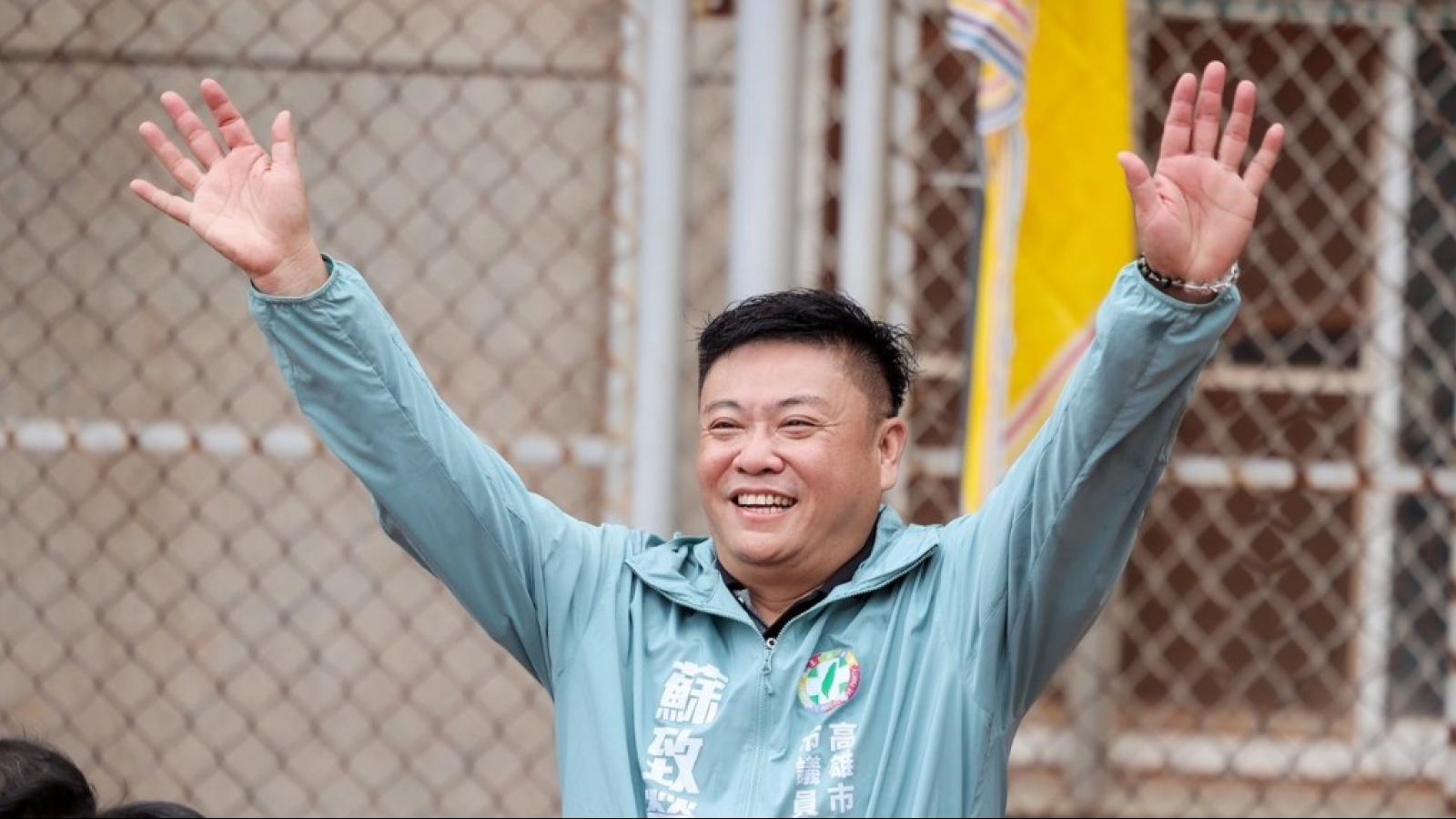
Kaohsiung has recently seen a series of drunk and drugged driving incidents, threatening public safety. Su Chih-jung, a candidate for the Kaohsiung City Council, stated, 'Preventing drugged driving cannot rely on luck—preventive education is the true solution.' Drunk and drugged driving are not just traffic issues but major public safety concerns. As awareness of these issues grows, Su urges the city government not to wait for accidents to occur before acting, but to proactively establish preventive measures through enforcement, education, technology, and support systems.
Strengthened Checkpoints, Drugged Driving Screening, AI Technology, and Campus Education
The Legislative Yuan recently passed amendments to the Road Traffic Management Penalty Act, further strengthening penalties for drugged driving. These include higher fines, license revocation, lifetime driving bans for repeat offenders or those causing injury or death, and expanded vehicle confiscation. This demonstrates the government’s zero-tolerance stance on drugged driving.
Su Chih-jung acknowledges that stricter legal penalties are necessary, but stresses that truly effective prevention must go beyond punishment. Instead, the focus should be on stopping dangerous behavior before it occurs. To this end, he proposes five preventive measures and calls on the city government to build a comprehensive safety framework from the ground up.
First, strengthen police checkpoints and enforcement in high-risk areas. Increased patrols, spot checks, and inspections should be conducted during late-night hours, around nightlife venues, and in areas with a history of drunk or drugged driving incidents. Utilizing technology can enhance enforcement efficiency, deterring high-risk drivers from taking chances.
Second, improve drugged driving screening and detection capabilities. While alcohol testing has a relatively mature enforcement system, Su emphasizes that drugged driving detection must not be neglected. The city should continuously enhance frontline officers’ professional training to improve their ability to identify, test, and handle suspected drugged drivers, ensuring such behavior cannot go undetected.
Third, introduce technological tools to build a smart prevention network. Su suggests the city evaluate the adoption of smart traffic monitoring, AI-powered image recognition, and accident hotspot analysis. By identifying high-risk times, locations, and accident patterns, law enforcement and inspection resources can be deployed more precisely, shifting from passive enforcement to proactive prevention.
Fourth, promote education in schools, communities, and driving schools. Su believes that preventing drunk and drugged driving cannot rely solely on police, nor should education come only after violations occur. The city should incorporate real-life accident cases, legal consequences, and the social and family impacts into educational programs in schools, communities, and driving schools. Special emphasis should be placed on young drivers to ensure that 'don’t drive after drinking or using drugs' becomes a fundamental principle for all road users, not just a slogan.
Fifth, strengthen anti-drunk driving mechanisms in nighttime entertainment venues. Su suggests the city encourage restaurants, bars, KTVs, and other nightlife businesses to provide designated driver services or taxi booking assistance. By collaborating with businesses, the city can create a more supportive environment for responsible drinking, reducing the risk of individuals driving after consuming alcohol.
Su emphasizes that preventing drunk and drugged driving requires a four-pronged approach—enforcement, education, technology, and support—to build a comprehensive defense from prevention to intervention and post-incident support. 'Our goal should not be how many drunk or drugged drivers we catch, but how many accidents we prevent from happening in the first place,' he said.
Su concludes by urging the city government to act proactively rather than waiting for tragedies to occur. By implementing preventive measures early and reducing risks at the source, every citizen of Kaohsiung can leave home with confidence and return safely.
FACT BOX
- Source: PR Times
- Category: キャンペーン