The AI boom is driving U.S. data center construction into an unprecedented expansion phase, with banks and asset managers rushing to invest in this infrastructure wave. However, as more data center projects face opposition from local residents and communities, financial institutions are now confronting risks that go beyond technology, power, or credit — namely, whether a data center will actually be built at all.
According to Reuters, several data center projects have recently encountered resistance from local governments, even facing suspension, restrictions, or cancellation. As a result, banks are now incorporating community support into due diligence and credit risk assessments when evaluating financing proposals. Some banks are also favoring states more welcoming to data centers to reduce the risk of project delays or cancellations.
While this hasn’t dampened the financial sector’s enthusiasm for AI infrastructure investment, it has changed how banks view such assets.
"I mainly look at two things: first, the project’s readiness, and second, the project’s credit quality," said Karen Fang, Head of Global Infrastructure and Sustainable Finance at Bank of America. Project readiness, she explained, includes not only securing all necessary permits and approvals but also "gaining community support from nearby residents."
This shift highlights a new challenge: even with strong AI demand, if local governments deny approval or residents strongly oppose the project, financial institutions could face the risk of having invested capital into a project that fails to materialize as planned.
From 'Credit Risk' to 'Community Risk'
Data centers are core infrastructure for cloud computing and AI model training, but large-scale facilities are also highly power- and water-intensive. As data centers rapidly multiply across the U.S., nearby residents are increasingly concerned about noise, visual impact, rising electricity prices due to increased power demand, and excessive water usage.
Consequently, some U.S. local governments are re-evaluating data center development, and globally, more governments, regulators, and cities are considering pausing, restricting, or even banning new data center projects.
For banks, this means an additional layer to traditional project finance due diligence.
Before financing AI infrastructure, banks typically conduct technical, environmental, zoning, valuation, and insurance reviews. Now, whether local residents support the project is increasingly becoming a key factor in assessing whether a project can proceed smoothly.
Kevin Curtin, Head of AI Infrastructure Investment Banking at JPMorgan Chase, noted that arranging bank loans for such projects involves substantial work, and finalizing a credit agreement is just the beginning. During construction, developers must continuously demonstrate compliance with financial covenants and bank monitoring requirements to draw down further funds.
This means that if a data center project encounters local resistance, banks may need to spend more time re-evaluating due diligence or face risks of project delays or ultimate cancellation.
Morgan Stanley CFO Sharon Yeshaya said the firm is well aware of these risks, as the data center industry is highly capital-intensive and dependent on financing. Financial institutions not only help clients raise, underwrite, and distribute capital but must also find ways to mitigate associated risks.
75 Projects, $130 Billion at Risk from Local Opposition
This risk is no longer isolated. According to research firm Data Center Watch, at least 75 data center projects worth approximately $130 billion are facing local opposition by Q1 2026.
Meanwhile, Goldman Sachs estimates that global tech giants will spend over $6 trillion on AI by 2030 — far exceeding capital investment in internet infrastructure during the dot-com bubble.
Despite the massive capital demand, banks remain unwilling to exit the data center financing market.
Banks typically begin financing discussions with developers at least one year before construction starts and continue monitoring project progress throughout the build. In other words, if a project later stalls due to resident protests, permitting issues, or local government opposition, the bank’s upfront investment of time and review costs could be wasted.
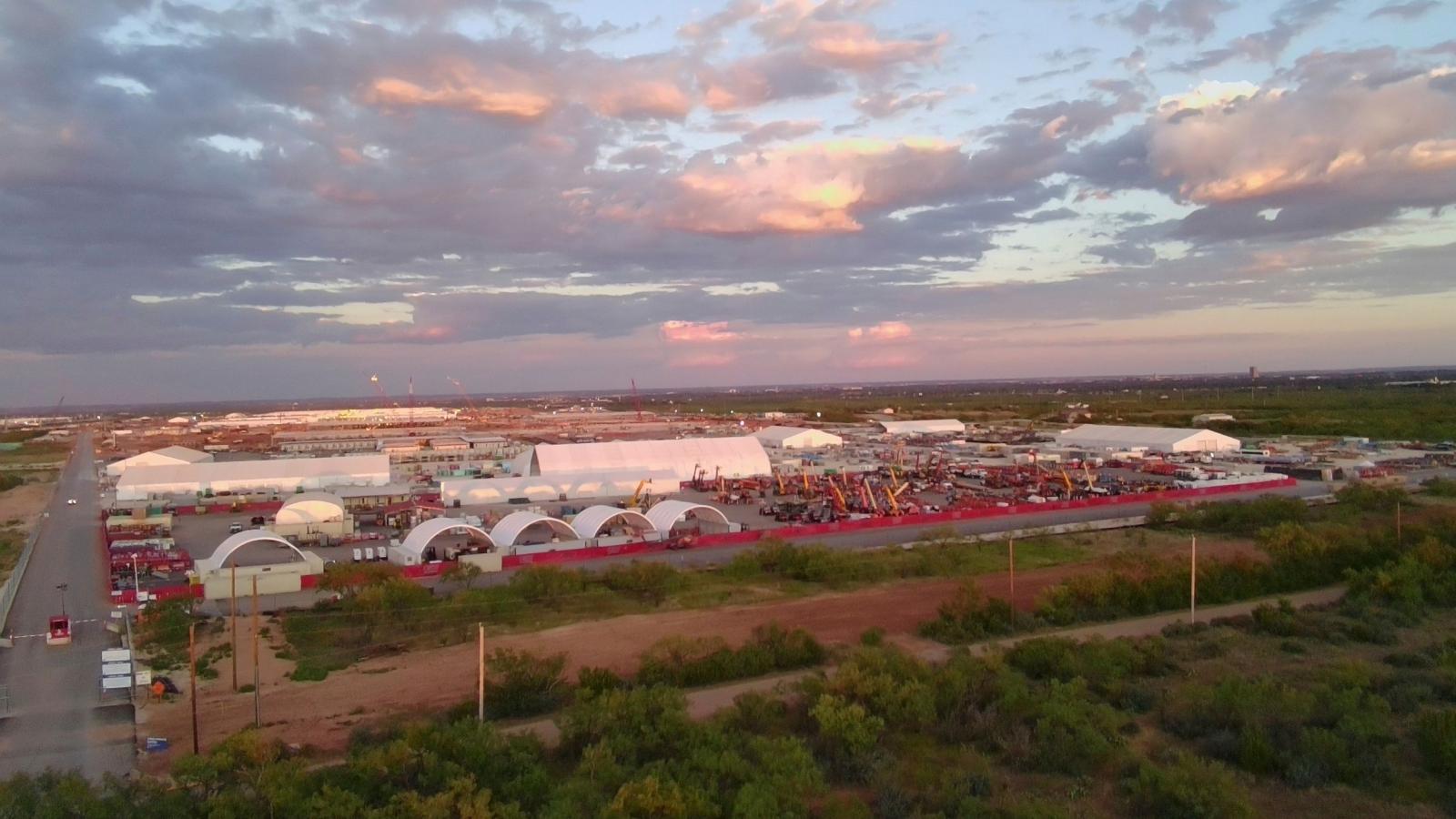
Several major data center projects have already faced such situations. For example, JPMorgan Chase and Morgan Stanley helped BlackRock arrange a $12.3 billion bond transaction. BlackRock, in partnership with Meta, is pushing forward with a data center project in El Paso, Texas, but some local residents oppose the plan.
Another case involves QTS, a data center operator owned by Blackstone. The company had planned to build the Prince William Digital Gateway data center in Virginia but ultimately canceled the project after strong local backlash. Sources revealed that QTS did not even seek bank financing for the project.
Additionally, Dallas-based data center firm CyrusOne faces opposition from Illinois residents. Financial institutions including Morgan Stanley and KKR Capital Markets participated in arranging a $9.7 billion warehouse credit facility.
CyrusOne stated that financing is already in place for the project but did not disclose details. Sources indicated that the existing credit line includes protective mechanisms for lenders, with funds for new construction only released once all necessary permits and leases are secured.
AI Demand Is So Strong, Banks Are Willing to Take the Risk
Despite rising local opposition, the financial sector has no intention of exiting the data center market.
A senior banker noted that as the market expects AI computing demand to continue growing rapidly, investors are increasingly accepting the risk of project cancellations and are pricing such risks into asset valuations.
In other words, banks are no longer asking whether to invest in AI data centers — but how to price in the uncertainty created by strong demand and local resistance.
Developers are also beginning to address these issues early. For example, some are building on-site power generation facilities to reduce reliance on local grids and respond to community concerns about power supply and energy costs.
Rajat Rana of law firm Quinn Emanuel Urquhart & Sullivan pointed out that many companies building new AI data centers are already proactively tackling these challenges.
This AI infrastructure race has thus created a new reality: while demand for computing power may be global, data centers must physically land in specific communities.
For Wall Street, assessing whether a data center is worth investing billions of dollars now requires confirming one more thing — whether local residents are willing to have it built in their backyard.
FACT BOX
- Source: PR Times
- Category: News
- Organizations: Meta / Blackstone / QTS