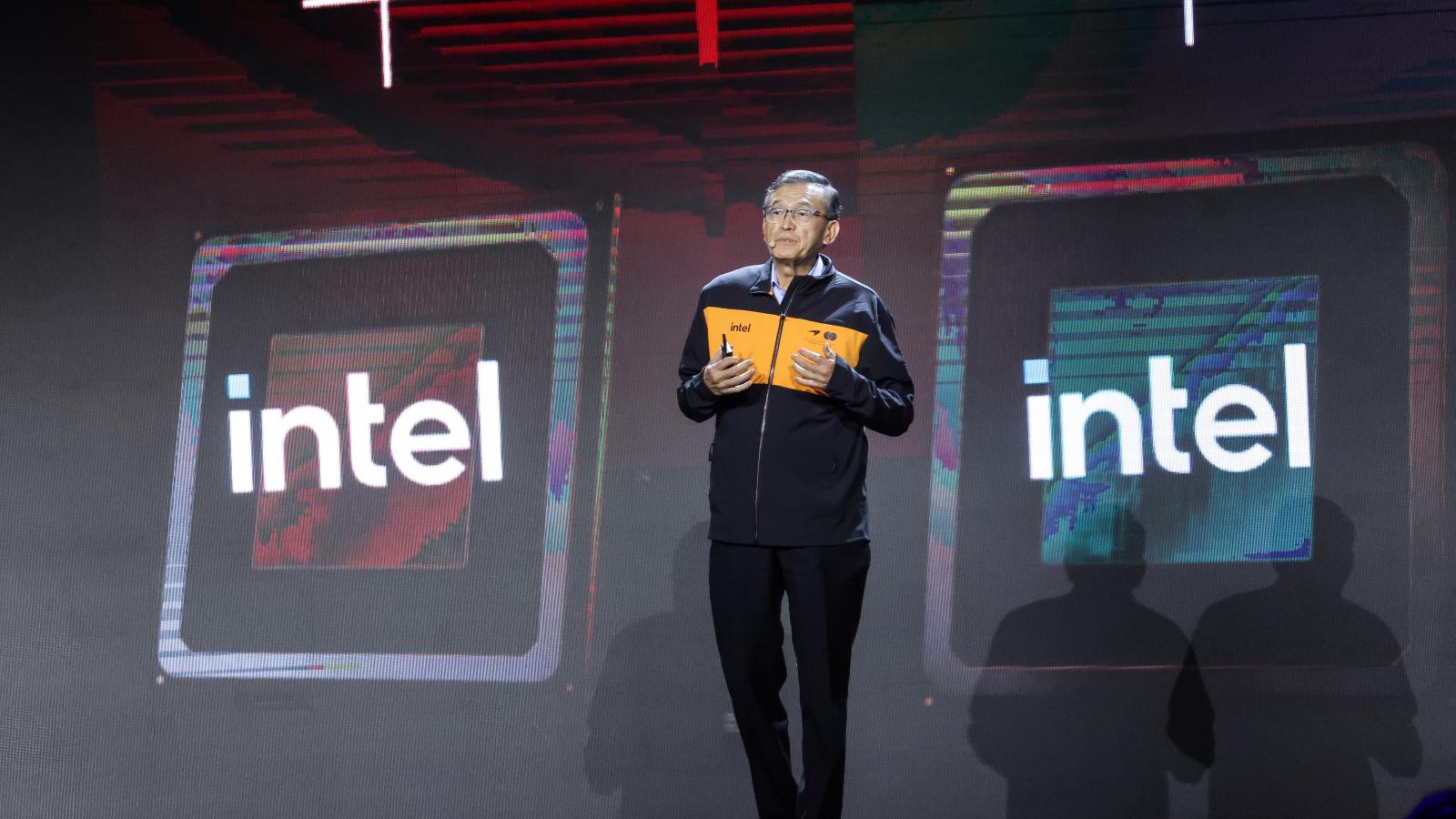
Amid the surge in AI, memory has emerged as a standout sector in the semiconductor industry, with major players like Samsung, SK Hynix, and Micron seeing soaring profits. However, recent reports indicate that Intel CEO Chen Liwu recently disclosed the company is actively exploring an entirely new memory architecture. He even recruited former SK Hynix CEO Seok-hee Lee for this initiative, saying, 'You can probably guess what I’m thinking.'
According to tech media outlet Wccftech, Intel was founded in 1968, and its first products were memory chips, including the 3101 SRAM and 1103 DRAM. More recently, its key memory venture was the 'Optane' series. However, due to far lower-than-expected market adoption, Optane was discontinued in 2022. Now, four years after its discontinuation, Intel is sending signals of a potential return to the memory market.
Chen Liwu revealed during an interview with the TechSurge Podcast that demand for Intel CPUs is extremely strong right now—'I get calls from many CEOs every day'—and the company is developing a next-generation CPU architecture, researching how to deeply integrate it with memory. 'There are still many unexplored technologies in memory today, so this is a worthwhile area to invest in,' he said.
Notably, Chen admitted, 'In the past, I always thought we shouldn’t invest in memory,' believing it to be a highly commoditized, mature technology market not worth heavy investment. 'But now the situation is completely different. Many new technologies are emerging, so we are actively studying this field,' he stated.
Chen went further, stating that one of his top-priority projects is researching a brand-new memory architecture, which is why he hired former SK Hynix CEO Seok-hee Lee. 'As you’ve seen, I brought in my good friend Seok-hee Lee, who previously led SK Hynix, so you can probably guess what I’m thinking. We’re not ready to make a public announcement yet, but I’m constantly thinking about technological needs.'
The report analyzes that Chen’s remarks strongly suggest Intel may re-enter the memory market with a revolutionary new DRAM technology. Current market rumors suggest Intel is already working on next-generation memory technologies such as ZAM and XBM. ZAM could launch between 2029 and 2030, while XBM is expected to debut in the early 2030s.
If Intel successfully returns to the memory market, its foundry business would gain an unprecedented competitive edge—becoming a company capable of in-house wafer manufacturing, memory development, and advanced packaging, positioning itself to challenge the global semiconductor leadership.
More exclusive insights from Feng Media: · TSMC, Beware! Latest Intel EMIB Progress Revealed: Yield Near 90%, Cost Half of CoWoS · China’s CXMT ‘Revenue Soars 716%’ to Top Memory Growth Chart; This Taiwanese Firm Ranks Second Globally · Is ‘Follower’ a Thing of the Past? Report Reveals Intel’s Two Key Technologies ‘Yield Exploding’—NVIDIA, Microsoft, OpenAI Already Placing Orders
FACT BOX
- Source: PR Times
- Category: 人事
- Organizations: OpenAI
- Products / services: Optane / ZAM