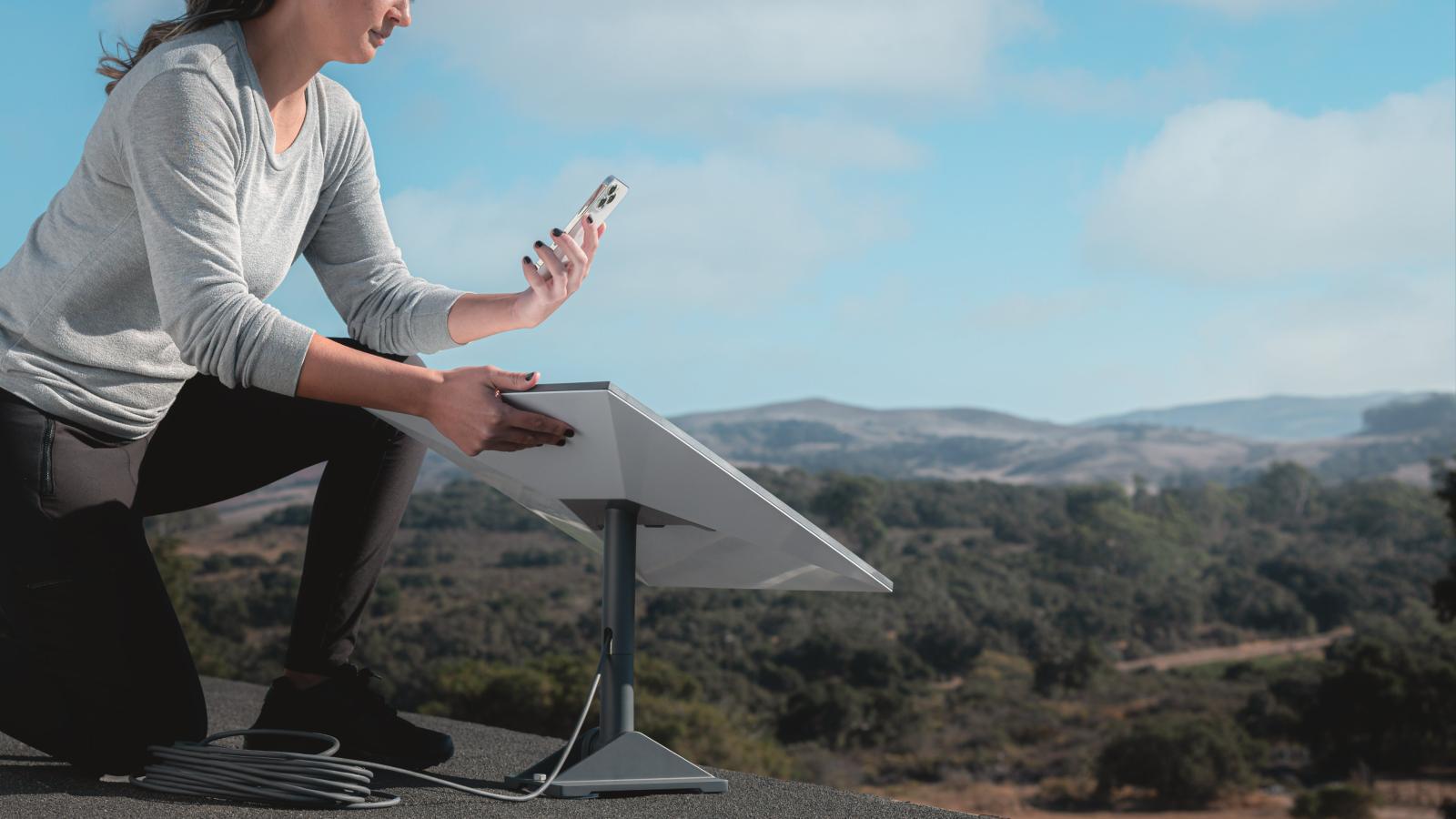
Japan's leading telecommunications company, NTT Docomo, has officially signed a new agreement with Starlink Japan, a subsidiary of SpaceX, to adopt the next-generation 'Starlink Mobile V2' low Earth orbit (LEO) satellites. This upgrade will enhance its Direct-to-Smartphone satellite communication service, allowing users to access full-featured satellite connectivity—including voice calls and high-speed mobile internet—by the fiscal year 2028, eliminating concerns about losing signal in remote areas. This upgraded service will not only benefit regular mobile users but will also support direct communication with Internet of Things (IoT) devices. Notably, NTT Docomo, one of Japan’s three major carriers, already launched the first phase of its 'docomo Starlink Direct' service in late April, offering free access to select subscription plans. Within the first three months, over 6.5 million users had already adopted the service, demonstrating strong market demand. According to foreign media reports, the current satellite communication service primarily supports two-way text messaging and limited data transmission via specific apps, but does not yet allow voice calls or high-speed web browsing. Docomo users can connect directly to satellite signals using their existing smartphones when located in outdoor, unobstructed areas in Japan without 4G/5G base station coverage or Wi-Fi access. Docomo headquarters stated that the integration of the next-generation Starlink Mobile V2 service will unlock voice calling and web browsing capabilities while significantly enhancing support for IoT devices. This advancement will facilitate automated data collection, weather monitoring, and remote equipment control in remote regions such as mountainous areas, remote islands, and offshore zones where traditional base stations are difficult to deploy. Currently, Starlink operates a satellite constellation of around 650 low Earth orbit (LEO) satellites. Besides Docomo, other major Japanese telecom providers including KDDI (au) and SoftBank have also partnered with Starlink. Only the fourth carrier, Rakuten Mobile, has chosen to collaborate with AST SpaceMobile for its satellite communication development. Elon Musk’s Starlink satellite system is breaking the geographical limitations of traditional networks. (Screenshot from SpaceX’s official page) Amid Japan’s increasing exposure to natural disasters such as earthquakes and typhoons, terrestrial base stations are vulnerable to power outages and network failures. As a result, telecom operators are accelerating their deployment of low-orbit satellite networks to build a highly resilient 'disaster-resilient communication network,' providing both emergency responders and the general public with an additional lifeline during crises.
FACT BOX
- Source: PR Times
- Category: Partnership
- Organizations: NTT Docomo / Starlink Japan / SpaceX
- Products / services: docomo Starlink Direct / Starlink Mobile V2