On the 14th, the Legislative Yuan finally passed the 2026 Central Government General Budget Bill in its third reading. In the process, the Pan-Blue and TPP coalition, leveraging their numerical advantage, fully deleted and froze the Presidential Office's State Affairs Budget. They also set conditions for unfreezing, requiring President Lai Qingde to promulgate five specific bills. In response, the Presidential Office issued a four-point statement on the 16th, arguing that these conditions have no direct connection to the purpose of the State Affairs Budget and amount to using budgetary power as a political tool, thereby interfering with the President’s constitutional authority and exceeding the legitimate scope of budgetary oversight.
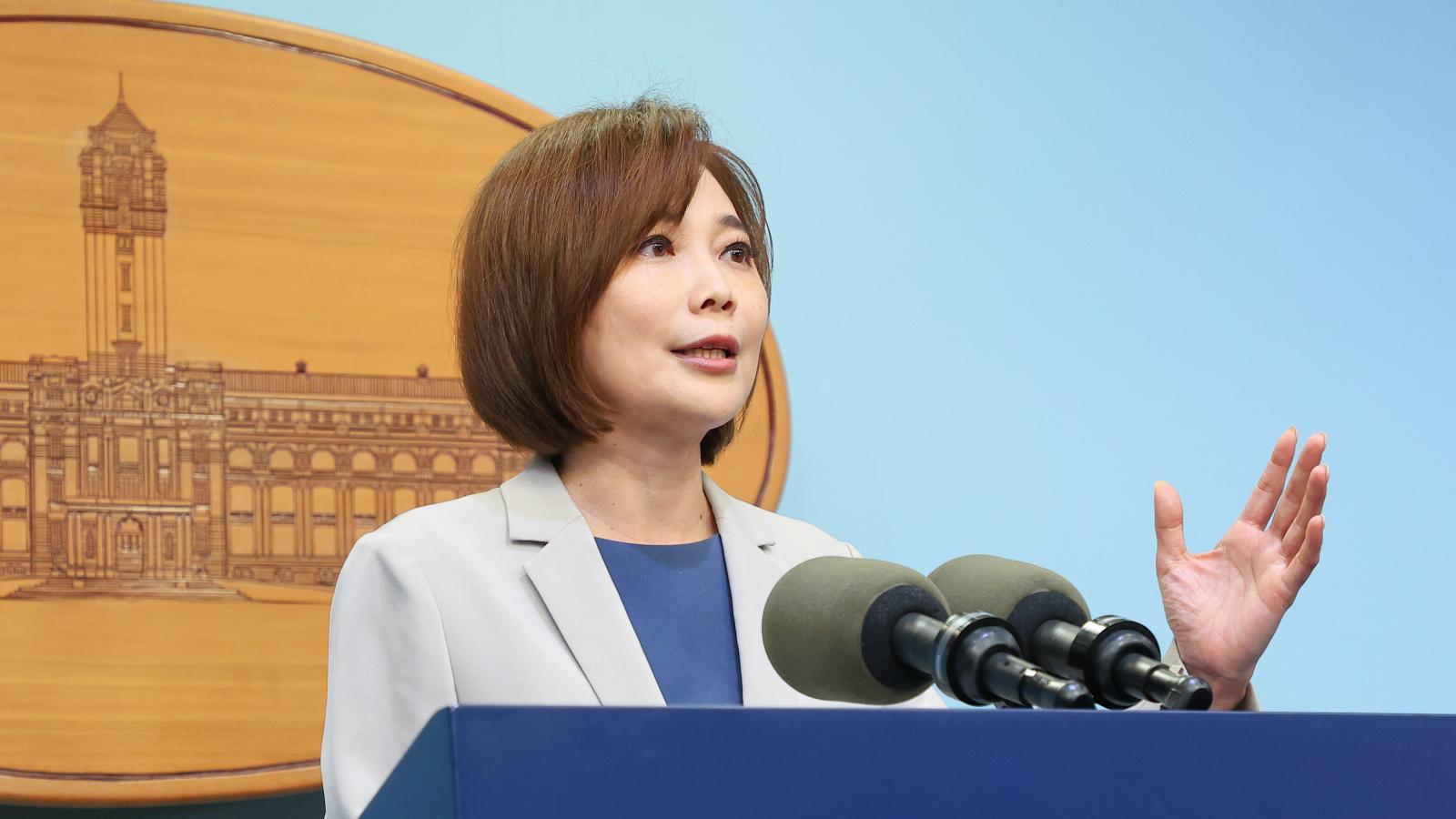
Spokesperson Kuo Ya-hui stated that first, due to delays in the legislative review of this year’s budget, all expenditures related to the Presidential Office’s State Affairs Budget had been made in accordance with the Budget Act, within legally prescribed limits. As for how the funds will be handled after the third reading, the Directorate General of Budget, Accounting and Statistics will proceed in accordance with legal procedures.
Second, Kuo explained that the State Affairs Budget has been allocated since fiscal year 38 (1949). The current annual allocation of NT$30 million has remained unchanged since fiscal year 103 (2014), spanning the presidencies of Ma Ying-jeou, Tsai Ing-wen, and Lai Qingde, and across different party administrations. From fiscal year 103 to 113 (2014–2024), the budget was never reduced or frozen by the Legislative Yuan for 11 consecutive years.
Kuo noted that according to the budget documents, these funds are primarily used for presidential duties such as inspections, awards, subsidies, condolences, receptions, and gifts. Specific uses include supporting vulnerable groups and social welfare organizations, procurement from sheltered workshops, visiting victims and families affected by major emergencies, and rewarding frontline military and police personnel.
Third, Kuo expressed regret that last year marked the first time the State Affairs Budget was fully frozen by the Legislative Yuan, negatively impacting outreach to vulnerable communities. This year, the legislature again fully froze the budget—reducing NT$10 million and freezing NT$20 million—and set the condition that the frozen funds can only be released after President Lai completes the promulgation of the five specified bills. The Presidential Office must then submit a written report to the Judiciary and Organic Laws Committee of the Legislative Yuan and obtain approval before any disbursement.
Kuo emphasized that, in other words, until these unfreezing conditions are met, the actual available funds for the State Affairs Budget are effectively zero after the reduction and freeze.
Fourth, Kuo stressed that the proposed unfreezing conditions have no direct relevance to the purpose, execution, or oversight of the State Affairs Budget. Using budgetary authority as a political instrument to pressure the President undermines the constitutional separation of powers and exceeds the reasonable boundaries of legislative budgetary control. The Presidential Office urged the Legislative Yuan to refocus budgetary oversight on the appropriateness and purpose of expenditures, rather than blurring the line between legislative oversight and constitutional responsibilities.
FACT BOX
- Source: PR Times
- Category: News