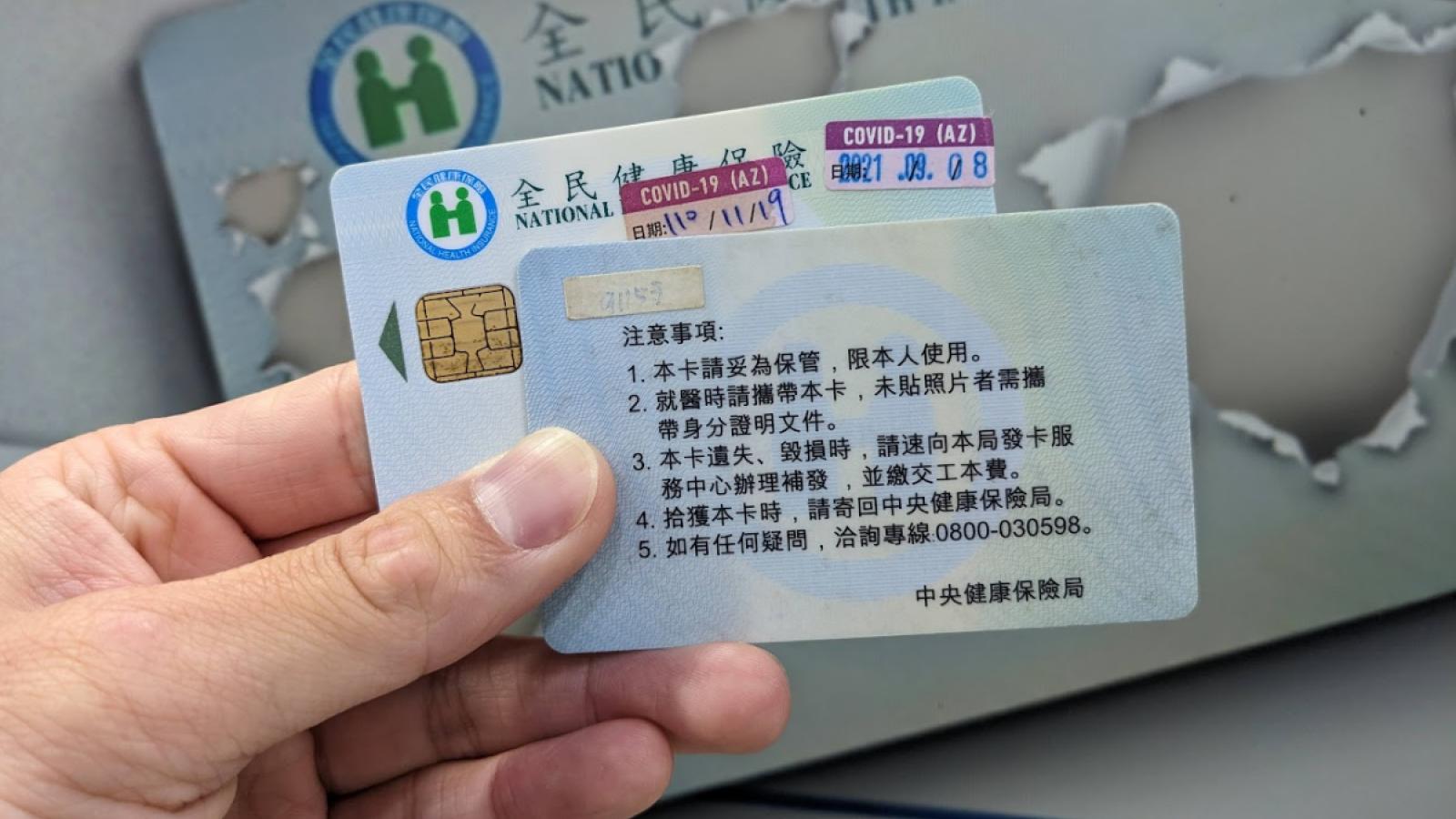
The National Health Insurance Administration (NHI) has recently received multiple reports from citizens about unknown individuals impersonating the 'NHI Bureau' and sending messages via LINE, falsely claiming that health insurance cards have experienced abnormal usage and urging immediate action by clicking on an embedded link to suspend the card. The NHI stresses that these messages are actually phishing links set up by fraud groups, and clicking on them may result in the theft of account credentials and personal information. The public is urged to delete such messages immediately and refrain from clicking on any suspicious links.
'One message is a scam!' — The NHI warns that in recent days, it has received increasing reports from citizens about individuals using the name 'NHI Bureau' to send LINE messages claiming that the recipient's health insurance card has abnormal usage issues and demanding immediate action by clicking on an attached link, or the card will be suspended.
The NHI explains that these messages are actually phishing traps deliberately set up by fraud groups under the pretext of card suspension. If citizens receive similar suspicious messages or web links, they should delete the messages immediately and avoid clicking on any unverified links to prevent being scammed.
The NHI clarifies that its official LINE account is permanently named 'NHI Administration' and displays a blue shield badge labeled 'Officially Verified Account' approved by LINE. The public should use this as a reference to verify the authenticity of the account.
The NHI also repeatedly emphasizes that its official account will never proactively invite users to add it as a friend. Any account claiming to be the NHI but requesting to be added as a friend or sending messages about card suspension should be treated with high suspicion to avoid falling victim to scams.
Clicking malicious links may lead to personal data leakage — the NHI urges users to seek IT professionals for system checks immediately.
The NHI states that the links embedded in these scam messages lead to malicious phishing websites. If users click out of curiosity, they risk having their account, password, or other personal information stolen by fraudsters, and their smartphones or computers may become infected or hacked.
The NHI urges the public not to follow any instructions in suspicious messages containing unknown links. If a link has already been clicked, it is recommended to immediately consult professional IT personnel to inspect system security and prevent data leaks or financial losses.
Citizens with questions can call the toll-free hotline for verification.
The NHI advises that if anyone receives suspicious web links or information, they should remain vigilant and verify through the NHI’s toll-free hotline. For landlines, dial 0800-030-598 or 4128-678; for mobile phones, dial 02-4128-678.
FACT BOX
- Source: PR Times
- Category: News