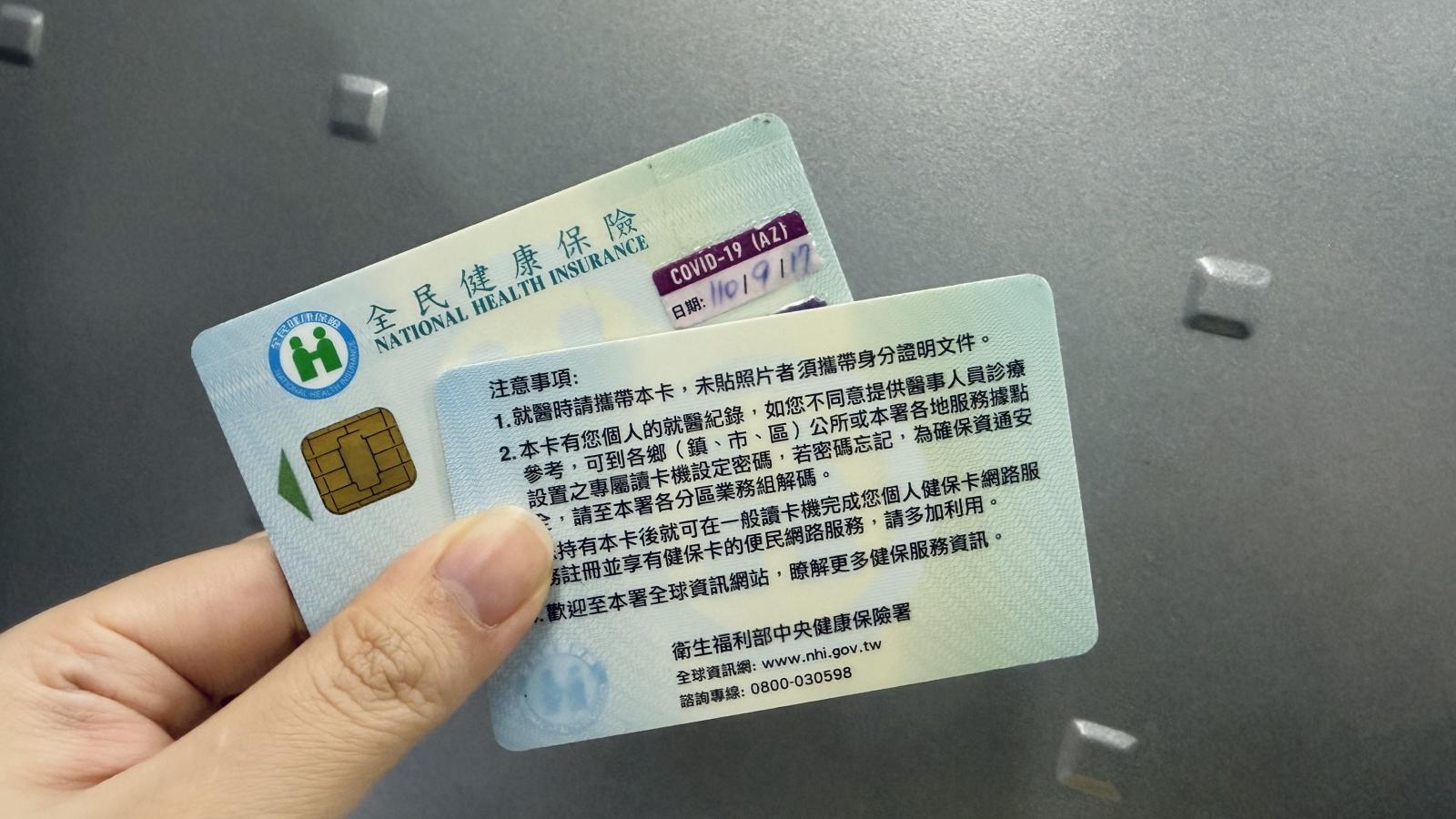
The Central Bureau of National Health Insurance (CBNHI) under Taiwan's Ministry of Health and Welfare has announced a landmark policy reform for the National Health Insurance (NHI) system. The reform centers on two pillars: implementing 'different work, different pay' by adjusting medical reimbursement, and strengthening personal data protection in response to constitutional court rulings.
First, the CBNHI will inject a total of NT$470 million into psychiatric and thoracic critical care services. This includes a significant increase in reimbursement points for Electroconvulsive Therapy (ECT), used for severe or treatment-resistant depression, mania, and schizophrenia. The payment will rise from 1,718 to 6,839 points, benefiting approximately 5,800 patients annually and injecting NT$30 million.
For schizophrenia continuity of care, the eligibility criteria for high-risk patient follow-up visits after discharge have been relaxed from 'within the same year' to 'within the past year,' and the payment has doubled from 3,000 to 6,000 points. Additionally, the discharge quality incentive fee has increased from 200 to 1,000 points. A new monthly incentive of 150 points has been introduced for 'long-acting injectable maintenance therapy assessment,' with additional nursing quality incentives ranging from 600 to 1,800 points.
In thoracic and critical care, the CBNHI has implemented a four-phase adjustment. Starting August, an 'Invasive Ventilator Optimization Management Program' has been added. For Chronic Obstructive Pulmonary Disease (COPD) patients, care management fees have increased by 1.5 times, and quality incentives have doubled from 500 to 1,000 points per case, injecting approximately NT$30 million and benefiting 29,000 people.
Bronchoscopy reimbursement has increased from 1,680 to 2,938 points. On July 1, 'Impulse Oscillometry Pulmonary Function Testing' was introduced for children aged 3 to under 8 with asthma or respiratory diseases, reimbursed at 725 points per test, expected to benefit around 38,500 people annually and inject NT$60 million.
The Invasive Ventilator Optimization Management Program provides intensive assessment for ICU patients using invasive ventilators for 4 to 21 days, reimbursed at 1,000 points per session, injecting approximately NT$250 million and benefiting around 19,000 people.
Starting September, the CBNHI will increase payments for 90 major surgical procedures by NT$1.15 billion to reflect the principle of 'different work, different pay' and better compensate complex surgeries. The five surgical fields involved are:
- **Plastic Surgery**: 38 burn and skin graft procedures adjusted. For example, skin wound treatment points increased from 4,431–17,854 to 10,319–33,916 points (NT$290 million injected).
- **Neurosurgery**: For multiple trauma patients qualifying as 'major trauma,' 11 central nervous system surgeries will now be fully reimbursed instead of the second surgery being halved, injecting NT$300 million.
- **Orthopedics**: New procedures added include 'Periacetabular Osteotomy' (39,623 points) and 'Early-Onset Scoliosis Non-Fusion Corrective Surgery' (70,420 points), with four other procedures seeing increases of 35%–157% (NT$70 million injected).
- **Digestive Surgery**: 21 procedures for liver, gallbladder, pancreas, and stomach adjusted (up to 206,610 points). Three new 'Whipple Procedure with Lymph Node Dissection and Vascular Reconstruction' surgeries added, reimbursed between 76,642 and 268,593 points (NT$260 million injected).
- **Colorectal Surgery**: 11 cancer treatment surgeries, including 'Descending or Sigmoid Colectomy with Anastomosis and Lymph Node Dissection,' have seen increases of 15%–218% (NT$220 million injected).
To support early intervention for children, the 'NHI Early Intervention Outpatient Medical Payment Improvement Program' was revised starting August 10, injecting an additional NT$16 million with three key reforms:
1. **Relaxed Team Qualifications**: Therapists, clinical psychologists, and social workers can now be full-time or part-time, increasing healthcare provider participation and accessibility.
2. **Simplified Enrollment**: Unified criteria: children aged 0–6 diagnosed with two or more developmental delays within two years by a joint assessment center, with a comprehensive evaluation report (at least one confirmed), streamlining administrative processes.
3. **Increased Integrated Care Payment**: Family-centered early intervention integration fee doubled from 1,000 to 2,000 points. Reporting frequency shortened from quarterly to every two months, enabling closer follow-up.
CBNHI Director Chen Liang-yu emphasized, 'The earlier early intervention begins, the more potential a child can achieve. We aim to guide interdisciplinary teams to provide high-quality care through payment reforms, reducing family caregiving burdens.'
In response to Constitutional Court Judgment No. 13 of 2022 (111-Nian-Xian-Pan-Zi-13-Hao), the 'National Health Insurance Data Management Act' took effect on August 10. Key provisions include:
- **Limited to Specific Public Purposes**: Data use restricted to improving medical quality, public health, social welfare, or public interest. Commercial use is strictly prohibited. Applicants limited to government agencies, administrative corporations, medical institutions, academic research institutions, and universities.
- **Citizen 'Opt-Out Right'**: A 30-day suspension of new applications (August 10 to September 8) was implemented. Citizens who apply to opt out during this period will have their data excluded from non-purpose-specific use. Those who do not apply are considered to have consented but may opt out at any time later.
- **Heavy Penalties for Misuse and Data Destruction**: Unauthorized use of NHI data for non-purpose-specific purposes incurs fines of NT$2 million to NT$10 million. Violators are barred from reapplying for one year, and obtained data must be destroyed.
- **Severe Penalties for Data Theft or Security Breaches**: Illegally endangering the NHI database or server carries 1–7 years imprisonment (with a fine up to NT$10 million). Intentionally endangering national security or social stability carries 3–10 years imprisonment (with a fine up to NT$50 million). Offenses committed in the course of duty carry an increased penalty of one-half.
Q1: How can citizens express 'unwillingness to provide NHI data for research' after the Data Management Act takes effect? A: The new law grants citizens the 'opt-out right.' Citizens can apply to the Ministry of Health and Welfare or CBNHI during the 30-day implementation period or at any time thereafter to stop their data from being used for non-purpose-specific purposes.
Q2: What are the tangible benefits of the psychiatric payment adjustments for schizophrenia patients? A: The eligibility for follow-up visits within three months post-discharge for high-risk patients has been relaxed, and payment increased from 3,000 to 6,000 points. Additionally, incentives for long-acting injectable therapy assessments have been introduced, strengthening community care continuity and medical quality.
FACT BOX
- Source: PR Times
- Category: News