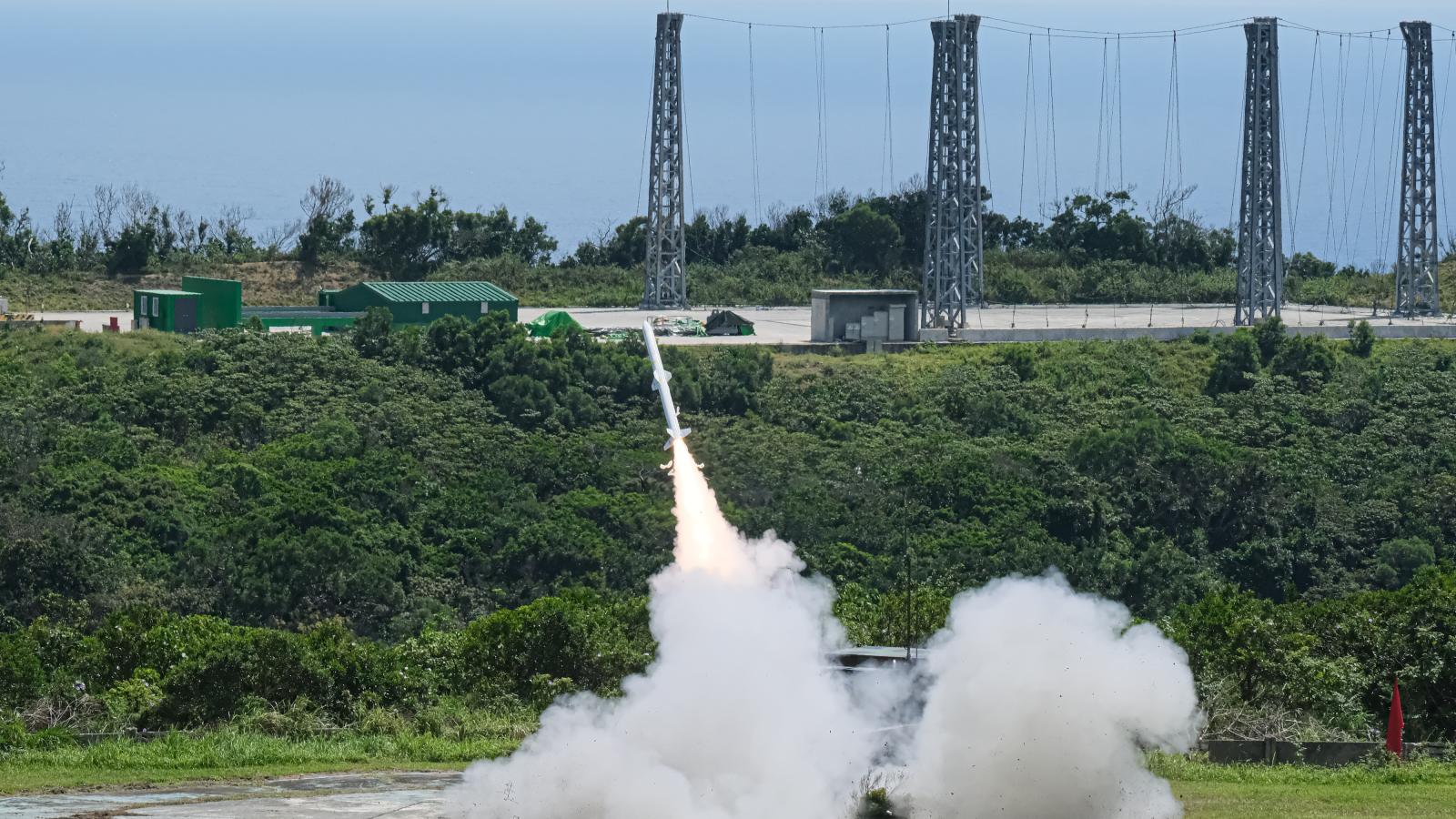
NCSIST conducted a launch test today (19th) at Jiupeng Base, but the rocket lost control and crashed after ascent. In response, NCSIST issued a press release stating that today's mission was a satellite launch vehicle test. During flight, an initial trajectory anomaly occurred, prompting activation of the pre-planned self-destruct mechanism to ensure safety. The impact point was controlled within the designated safety management zone, with no personnel or property damage. The institute will use telemetry data to revise and improve the design.
According to firing notices, NCSIST is conducting sea and air weapon tests in the Jiupeng area from the 19th to the 21st, including artillery test-firing and UAS reconnaissance and imaging. The danger zone has a minimum radius of 20 nautical miles, with a maximum ballistic altitude of 100,000 feet (approximately 30,480 meters).
Regarding the satellite launch vehicle crash, NCSIST responded that today’s test at the Jiupeng Base in Pingtung involved a satellite launch vehicle. An early trajectory anomaly occurred during flight after launch, so the pre-planned contingency plan was followed to activate the self-destruct mechanism, ensuring the debris fell within the planned safety control zone. No personnel or property damage occurred, and the institute will revise the design based on telemetry data.
Insiders indicate this was Taiwan’s first attempt at launching a satellite launch vehicle, with no payload satellite onboard. Given it was the first test, failure response procedures, including self-destruct mechanisms and safety controls, had been prepared in advance. All debris from the failed vehicle, engine, and component parts fell within the designated safety zone.
FACT BOX
- Source: PR Times
- Category: News