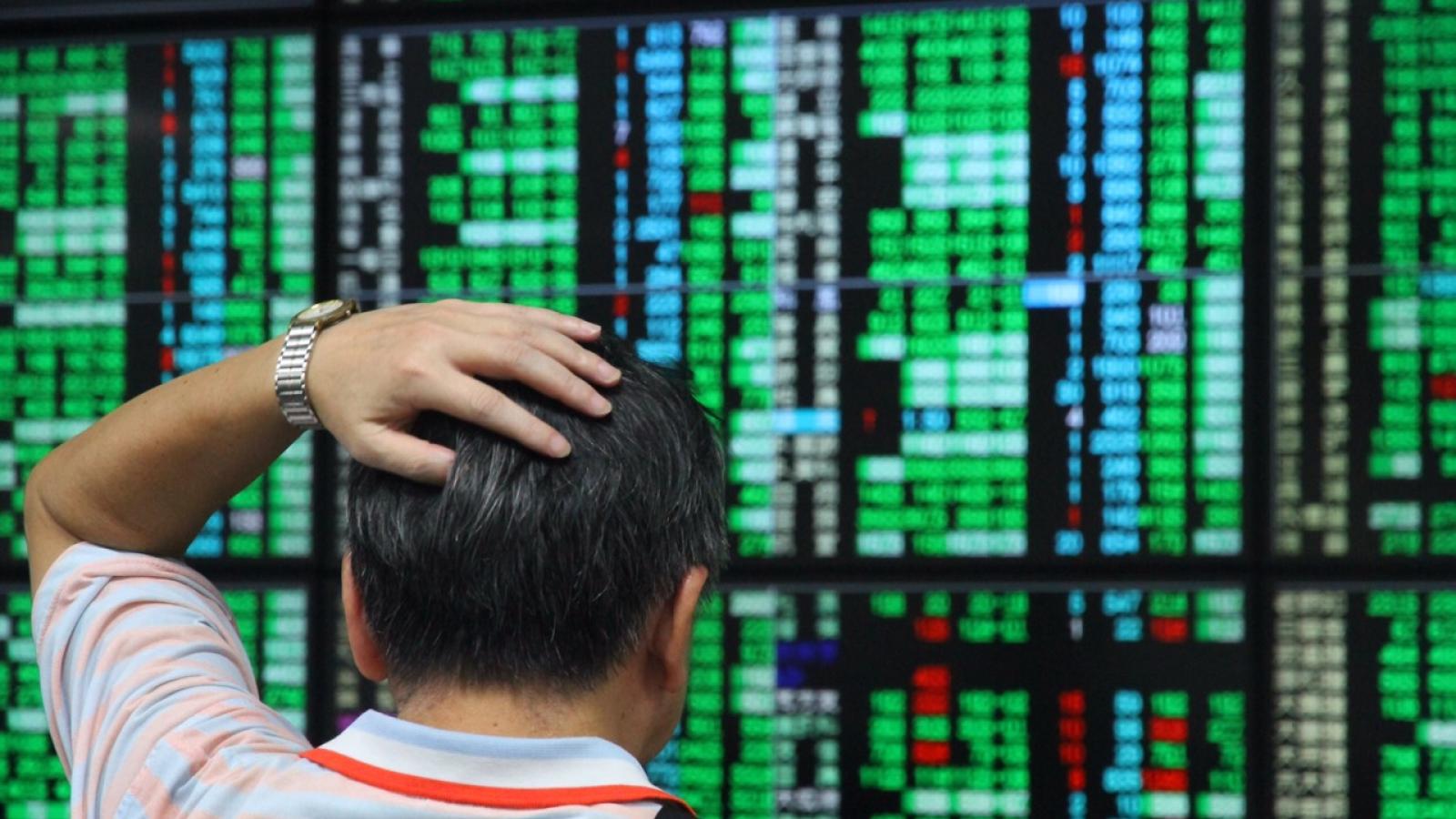
On the 20th, South Korea's stock market surged aggressively, driven by SK Hynix's announcement to repurchase 40 trillion won (approximately NT$920 billion) in treasury shares, sending the index up over 6%. Senior analyst Zhou Dai-Yun posted on Facebook, noting that in contrast, Taiwan's stock market merely oscillated near the flat line. "Does this mean Taiwan's market is failing?" he asked. However, based on historical turning points in Taiwan's market, the real window for an upward breakout typically arrives after the Mid-Autumn Festival.
Is the Korean Market Feasting on Retail Blood?
Zhou pointed out that even before the market closed on the 20th, South Korean stocks had already surged 6%—a visually stunning scene. In contrast, Taiwan's market hovered sideways with little movement. "Is Taiwan's market broken?" some might wonder. But don’t be misled by a single day’s red candlestick. This surge in Korean stocks is fueled by mechanisms that ultimately exploit retail investors.
(Zhou explained that South Korea's benchmark index is extremely concentrated, relying almost entirely on just two stocks—Samsung Electronics and SK Hynix—to carry most of the index. The majority of small and mid-cap stocks haven't participated in this boom. Locals refer to retail investors as the 'ant army,' who dominate trading volume. Leveraged ETFs and single-stock leveraged products are widespread, and margin trading has low barriers, causing the entire market to go wild once sentiment ignites.)
Headquarters of Samsung Group in Suwon, South Korea. (AP)
Zhou noted that once such news breaks, indices spike violently, and media outlets run front-page stories about legendary profits. FOMO (fear of missing out) kicks in, prompting retail investors to pile in at elevated prices. But soon after, when sentiment shifts, a sharp correction follows—sometimes even triggering circuit breakers. Margin accounts instantly receive margin calls; brokers automatically liquidate positions. Many investors give back all prior gains and suffer severe principal damage.
(What is FOMO? In financial markets, FOMO—Fear of Missing Out—refers to the anxiety and panic felt when seeing others profit while you haven’t joined in.)
Zhou recalled past instances where, on days when the index surged over 10%, retail investors actually set a record for the largest single-day net sell-off—exiting at peaks. Those who chased in afterward ended up catching the falling knife. While the index looks impressive, most small investors are repeatedly whipsawed. This is a rally built on leverage and emotion, not solid bottom-up fundamentals.
(See also: South Korea's 'Retail韭菜' Borrow to Trade—Collapse Leaves Billions in Forced Liquidations)
How Is Capital Flowing in Taiwan's Market?
Zhou emphasized that although Taiwan's market appears stagnant, many find it frustrating, unable to make quick profits during prolonged consolidation. But this doesn’t reflect poor market health. Taiwan has its own capital rhythm. Veteran investors understand historical patterns like the Lunar New Year 'red envelope' rally or election-driven moves. Institutional and foreign investors here dislike violent, consecutive surges—they prefer gradual position shifting.
Zhou added that electronic sector stocks, PCBs, IC design, and memory chains are quietly undergoing washout phases. Positive catalysts don’t trigger immediate explosions; instead, dips are quietly absorbed by buyers. Capital is accumulating momentum—not deploying all firepower at once.
When Will Taiwan's Market Break Out?
Zhou identified the current phase as bottom-building and brewing. Don’t envy others’ one-day fireworks—fireworks look great but vanish quickly. Based on historical turning patterns, the real breakout window for Taiwan’s market will likely open after the Mid-Autumn Festival.
He stressed that enduring this grinding consolidation phase now will allow investors to capture full subsequent waves later. Chasing one-day red candles often leaves you among those being shaken out. How many of you have been frustrated by this range-bound market lately?
More exclusive insights from Feng Media: • At 45,000, Taiwan’s market is volatile—should you enter? Key players shake out weak hands, targeting 3 groups. Experts name 10 next dark horses. • Is money fleeing Taiwan ETFs? Active funds sold NT$16.5 billion, with two funds accounting for 60%. Ruan Mu-Hua reveals where capital is flowing. • Has Formosa Plastics (1301) revived? See all four ‘Precious’ stocks’ performance. Should you buy on a drop to 60? Experts offer three indicators.
FACT BOX
- Source: PR Times
- Category: News