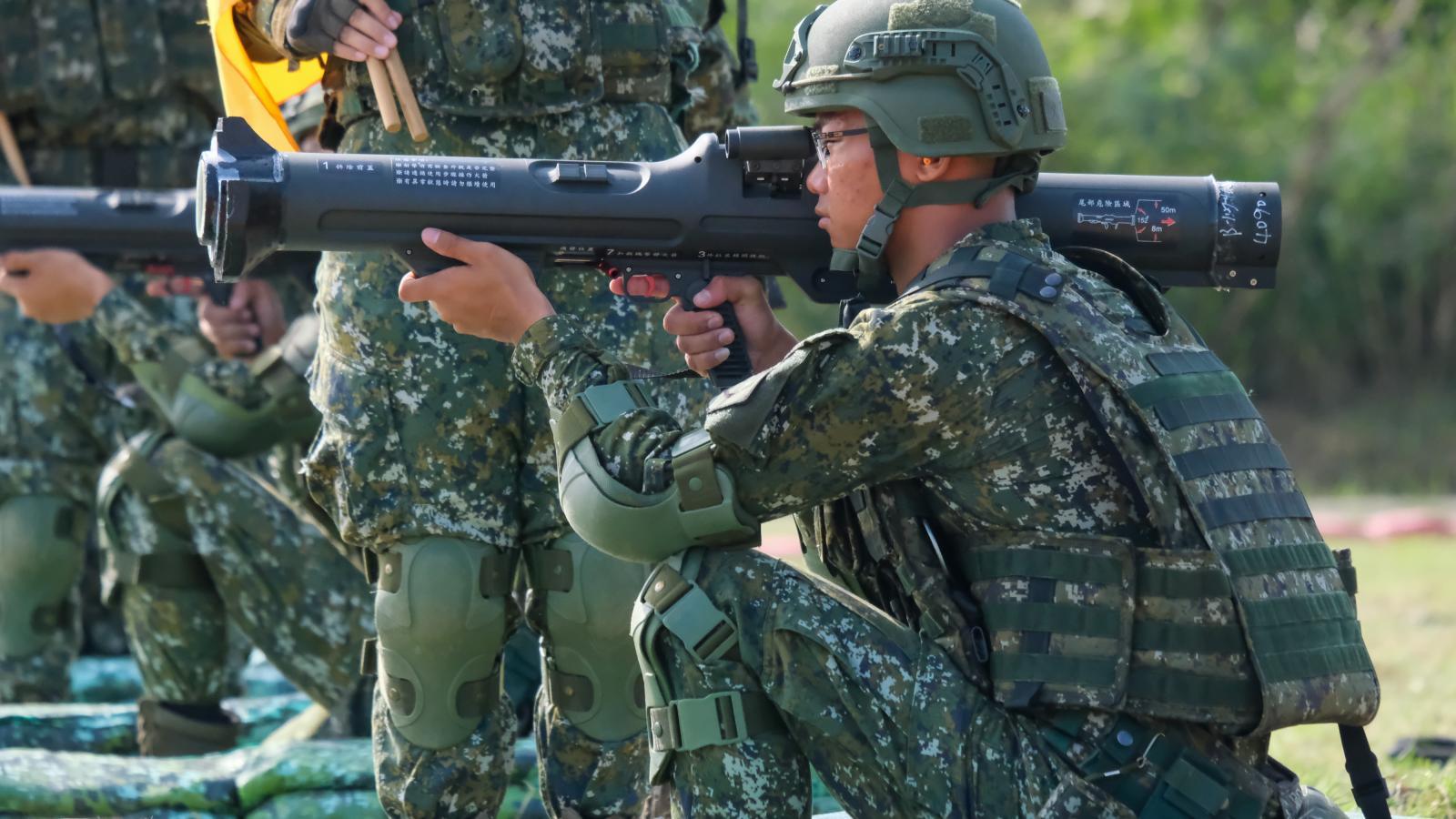
In recent years, Taiwan's military has actively promoted recruitment, yet continues to face significant challenges due to declining birth rates and higher salaries offered by private companies. According to a Ministry of National Defense (MND) report, although volunteer troop numbers increased by over 5,000 in the past year, the number of eligible male conscripts continues to decline. This year, 83,454 men are eligible for conscription; next year, that number will drop to 77,942. In response, the MND is exploring diversified recruitment strategies. However, under these difficult conditions, there are now cases where citizens eager to join the military are being turned away. Shockingly, the military has even implied that under certain circumstances, individuals can change their military classification to avoid future reserve training call-ups.
Must You 'Prove Your Innocence' to Enlist? Complainant Forced to Gather Medical Records Across Counties, Accuses Military of Indirect Obstruction
To expand recruitment, the MND has gradually relaxed eligibility criteria, including adjustments to height requirements, tattoos, and body art policies, and has removed color vision deficiency (color blindness) restrictions to better meet volunteer troop needs. However, medical history screening remains extremely strict. One citizen complained to Storm Media that under current volunteer enlistment regulations and the "Military Classification Standards," individuals with histories of mental disorders (such as anxiety, depression, or obsessive-compulsive disorder), thyroid disease, or self-harm records are often deemed unfit during physical examinations. Worse, applicants are required to submit extensive personal medical records to "prove their fitness."
The complainant noted it was absurd that while the recruitment guidelines state the organizing authority will cross-check applicant data with National Health Insurance Administration records, in practice, if an applicant discloses psychiatric or thyroid treatment history, the Military Medical Bureau demands they personally obtain and submit diagnosis letters and medical records. These are then re-verified against NHI data—a process clearly contradicting the stated guidelines.
This system has become a de facto obstacle. The complainant, who had several years of medical treatment for anxiety, depression, and insomnia, had visited five clinics across five different counties due to school and job relocations. As a result, he had to spend considerable time and money traveling across regions just to collect the necessary documents before even taking the exam. He lamented this might be a "loyalty test" for applicants.
Does the Ministry of Defense Reveal an 'Easy Exemption Path'? Mental Disorders Listed as Grounds for Exemption
Notably, in a society where billions of sleeping pills and psychotropic medications are consumed annually, seeking psychiatric care has become increasingly common. Doctors are also more willing than before to diagnose anxiety or depression, prompting the Ministry of Health and Welfare to rename psychiatric departments—indicating that the military’s rigid rules are outdated.
In response, Storm Media asked the MND: An individual who already completed mandatory service and participated in reserve training is now barred from applying for volunteer service due to a "mental health history." Is this regulation unreasonable? Should such individuals be exempt from future training call-ups?
The MND responded that volunteer recruits must not only meet the "active-duty fitness" standard under the Military Classification System but also undergo cross-checks for mental illness, epilepsy, and major illnesses. Only those confirmed mentally and physically fit may enlist. According to current standards, individuals diagnosed with "neurosis" who have undergone regular treatment for six months or longer and still exhibit clear symptoms affecting daily life, social functioning, or occupational performance are classified as exempt from service.
While the military claims individuals can change their classification, this effectively reveals a legal path to exemption—one openly communicated to the public. It is well known that high school students face academic pressure, university students face job-hunting stress, and military service itself brings uncertainty and fear. The MND’s response appears to encourage people to seek psychiatric treatment six months before enlistment to qualify for exemption.
The complainant emphasized that his treatment spanned both pre- and post-service periods, yet he successfully completed his mandatory service, proving his fitness. He is currently classified as a reservist and legally obligated to respond to mobilization calls.
Less Than 40% Show Up for One-Year Officer Program! Public Outrage Over Rejecting Volunteers in Peacetime but Forcing Mobilization in War
The complainant condemned the MND’s stance as questionable, arguing that rejecting enlistment in peacetime but enforcing compulsory mobilization during war amounts to treating people as "free labor." He insisted that if the MND refuses someone’s volunteer application, it should also issue a wartime exemption certificate. Otherwise, following international military precedents, armies facing personnel shortages during war will inevitably expand forced conscription.
Ironically, this individual had already completed mandatory service—meaning the military previously accepted him and confirmed his ability to serve. Yet after entering civilian life and wishing to transfer to volunteer service, he was rejected. Despite this, he retains his reservist status and has even been called up for training.
In response, the MND stated that under Article 4 of the Reserve Forces Management Regulations, individuals classified as exempt from service lose their reservist status. They may apply for a reclassification by submitting a specialist psychiatrist’s diagnosis and over six months of complete treatment records to their local county/city reserve command.
According to the military, this means individuals who complete mandatory service but later seek psychiatric treatment for any reason may reclassify themselves as exempt, thereby avoiding annual training call-ups and potentially escaping first-wave mobilization in the event of war. However, modern anxiety and insomnia are so widespread they’ve become societal norms—not only in Taiwan but also among soldiers in conflicts like the Russia-Ukraine war. Yet the military still bars such individuals from service, indicating its policies are out of touch.
On another front, in 2018, the MND launched a one-year volunteer officer employment program, promising 22 weeks of training, commissioning as second lieutenants, and one year of service with flexible career planning. After claiming a 90% unit staffing rate in 2020, recruitment was briefly suspended but resumed in 2022. However, recruitment results have been poor, with acceptance rates declining yearly.
According to MND statistics from two years ago, the program recruited only 204 out of a 700-target in 2022, and 114 out of 300 in 2023. This year’s final cohort planned to recruit 189 officers across Army combat and logistics, Marine Corps, Navy and Air Force sports divisions, and technical and medical roles under the Armaments Bureau and Military Medical Bureau. Reports indicate the final cohort exam has concluded, but only 74 candidates showed up—less than 40%. Under such circumstances, rejecting former conscripts solely based on medical history starkly contradicts the military’s repeated claims of wanting to broadly recruit talent.
FACT BOX
- Source: PR Times
- Category: News