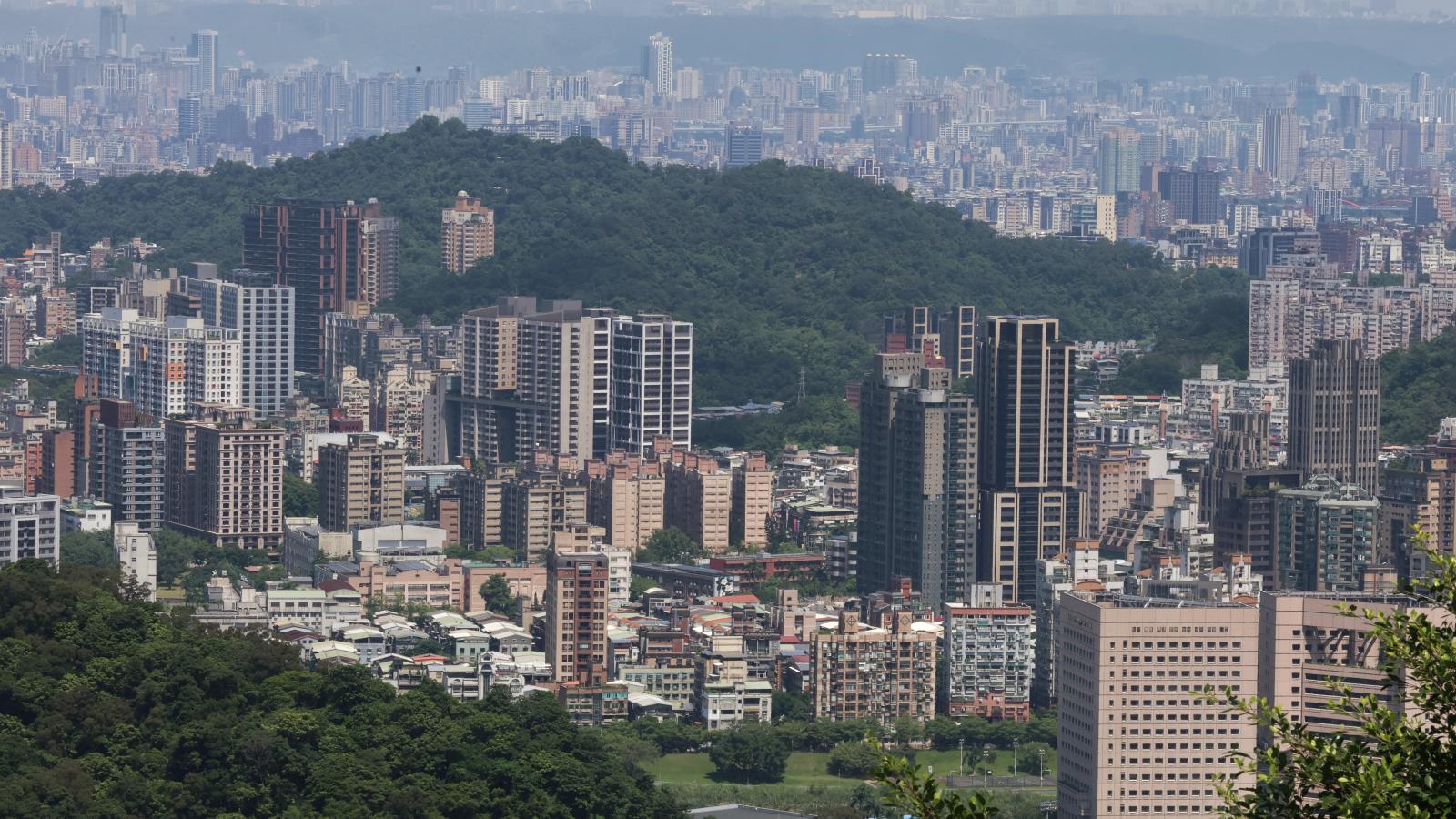
Taiwan's Ministry of the Interior recently revised its 'One Million Renting Households Plan,' reportedly reducing the number of social housing units to be built and shifting focus to rental intermediation, management outsourcing, and rent subsidies as core policies for revitalizing vacant homes. However, the civil group OURs Urban Reform Organization has strongly criticized the move, accusing President Lai Qingde of breaking his campaign promise to build 130,000 social housing units, now reduced to just 30,000.
On the 20th, OURs further criticized the government's claim that social housing construction imposes a 'heavy fiscal burden.' By analyzing the budget breakdown, they argue this is not fiscal austerity but a shift in resource allocation preferences. The total budget for the revised plan has decreased by only about 14.2% compared to the original, yet funding for social housing construction has been slashed from NT$204.6 billion to NT$82.09 billion—a reduction of NT$122.5 billion, or 60%. If fiscal burden were the true concern, all expenditures should have been proportionally reduced. In reality, cuts are concentrated solely on social housing.
Meanwhile, rent subsidies have increased by NT$12.77 billion, rental management outsourcing by NT$11.2 billion, and a new youth marriage and child-rearing rent subsidy of NT$26.91 billion has been added. These three subsidy programs combined have increased spending by NT$50.88 billion. Rather than fiscal restraint, this reflects a shift in investment preference from 'construction' to 'subsidies.'
Is subsidizing cheaper than building social housing? OURs argues that in the long run, it's actually more expensive. Some may claim that cutting NT$122.5 billion in construction while adding only NT$50.8 billion in subsidies saves nearly NT$70 billion. However, this calculation has a critical flaw: it compares two policy tools with entirely different time scales—construction and subsidies—over the same short-term planning period (8 years).
The perception that 'building social housing is too expensive' stems from focusing only on upfront costs. Construction costs are front-loaded, but they result in public assets usable for over 50 years. Subsidies, by contrast, are consumptive expenditures—budgeted and paid annually, disappearing entirely if discontinued, leaving no lasting asset.
When viewed over a longer timeframe, the conclusion reverses. According to data from the Ministry of the Interior's plan, the self-sufficiency rate of social housing over a 50-year operational cycle is about 64%. For each unit built, the central government provides approximately NT$3 million in non-self-sustaining subsidies. In contrast, over the same 50-year period with a modest 1.5% inflation assumption, rent subsidies would cost about NT$2.79 million, and rental management outsourcing would require NT$6.52 million. Moreover, once subsidies stop, these 'mobile social housing' benefits vanish instantly.
Comparing the three tools, investing NT$3 million creates one public housing unit usable for 50 years, along with benefits such as stable tenancy, elimination of rental discrimination, and guaranteed housing quality—advantages subsidies cannot buy. Compared to distributing NT$2.79 million in subsidies or spending NT$6.52 million on rental management, which offers higher financial investment returns?
At the same time social housing funding is being slashed, President Lai announced on August 17 that the 2027 central government budget, under the principles of balanced revenue and expenditure and zero net new debt, will include a universal cash handout of NT$10,000 per person next year, totaling NT$235.7 billion.
OURs criticized: 'Just after cutting NT$122.5 billion from an 8-year social housing construction budget, the government turns around and spends NT$235.7 billion on a one-year cash handout. Who believes the claim that “fiscal burden is too heavy” to build social housing?'
Other media outlets have echoed this sentiment: 'If there’s money to hand out NT$10,000, there’s no excuse for not funding social housing.' The Taiwan People's Party also warned that the 130,000-unit target may be entirely replaced by this new model, potentially reducing social housing construction to zero.
FACT BOX
- Source: PR Times
- Category: News