As the year-end election heats up, the Kuomintang (KMT) Taipei City Party has decided to implement a vote-allocation mechanism to maximize seat gains. As part of this strategy, an initial consensus has been reached that Taipei Mayor Chiang Wan-an will not personally campaign for individual Taiwan People's Party (TPP) council candidates, though joint rallies may still occur. This move has triggered backlash from many TPP supporters and raised concerns within the KMT about potential negative impacts on the election.
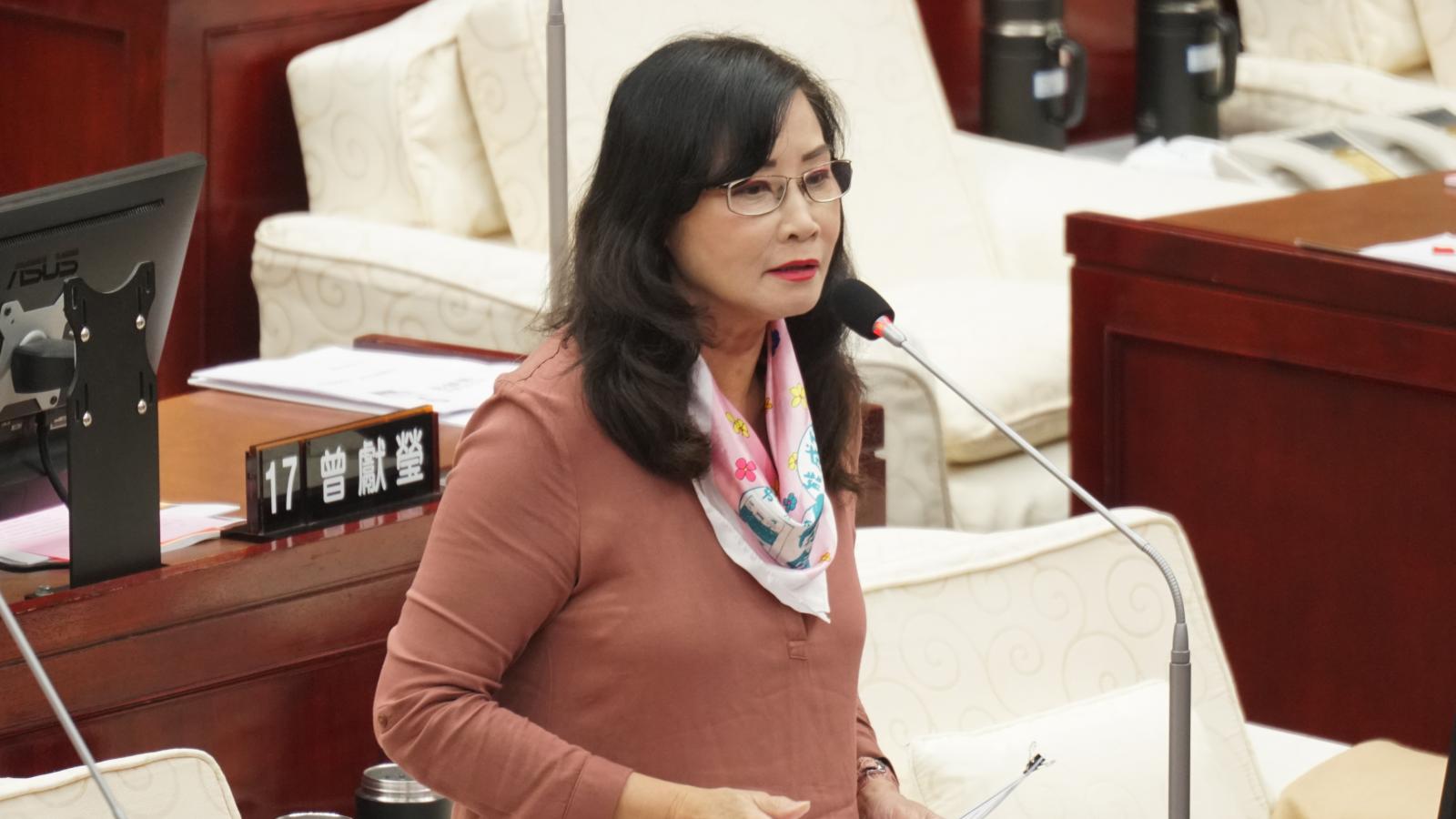
Fearing that the KMT's policy might provoke dissatisfaction among 'Little Grass' supporters—leading them to withhold support for Chiang Wan-an—KMT Taipei City Councilor Qin Hui-ju stated bluntly on the program "Zhongwu Lai Kai Hui" (Lunchtime Talk): "Of course, Little Grass doesn't have to vote for Chiang Wan-an; they can vote for DPP Taipei mayoral candidate Shen Po-yang."
Is Blue-White coordination failing? Chiang Wan-an's refusal to personally campaign for TPP newcomers raises underlying tensions. The KMT Taipei City Party is implementing a vote-allocation system for the first time, aiming for a clean sweep of all 33 council seats. To maximize electoral strength, it has restricted Chiang Wan-an from individually endorsing TPP candidates.
Qin Hui-ju explained that since the TPP nominates only one candidate per district, there is no need for internal vote coordination—supporters simply need to be urged to "uniquely support" their party's candidate. In contrast, the KMT's vote-allocation method targets its own supporters directly. For example, in the Songshan-Xinyi district where five KMT candidates are running, the party may call on supporters to distribute votes based on the last digit of their ID numbers, aiming to balance vote totals and increase the chances of electing all five candidates.
Qin emphasized that TPP supporters won't pay attention to the KMT's vote-allocation appeals, which are primarily effective only among KMT loyalists. She cited past DPP vote-distribution tactics in council elections, noting that such strategies aim to evenly spread votes among same-party candidates to prevent vote concentration on a single high-polling candidate, thereby protecting the election prospects of other nominees.
Regarding whether disgruntled 'Little Grass' supporters might refuse to back Chiang Wan-an, Qin reiterated: "Of course, Little Grass doesn't have to vote for Chiang Wan-an; they can vote for Shen Po-yang."
Qin stressed that the current Taipei City council race involves each party pursuing seats through its own vote-allocation methods—not an intentional exclusion of TPP candidates. She noted that Blue-White cooperation models vary by region: New Taipei mayoral candidate Lee Szu-chi and Taichung Mayor Lu Hsiu-yen have both pledged to campaign for TPP council hopefuls, whereas in Taipei, it's "every man for himself."
Host Huang Kuang-chin followed up, asking whether, under the same logic, TPP supporters could also choose not to support Chiang Wan-an if he refuses to campaign for their candidates. Qin responded: "Of course, Little Grass doesn't have to vote for Chiang Wan-an; they can vote for Shen Po-yang."
Qin pointed out that in 2022, approximately one-third of votes for TPP mayoral candidate Huang Shan-shan shifted to Shen Po-yang, while two-thirds went to Chiang Wan-an—proving that "Little Grass votes aren't automatically guaranteed for Chiang." She concluded that the nature of Blue-White cooperation—including whether mayors endorse opposing party council candidates—depends on local election dynamics and existing collaboration frameworks.
FACT BOX
- Source: PR Times
- Category: News