SpaceX has announced plans to build its largest rocket launch facility to date in southern Louisiana, investing up to $100 billion (approximately NT$3.1 trillion) to construct a comprehensive aerospace complex capable of supporting large-scale 'Starship' launch missions. According to current plans, the facility could support thousands of Starship launches annually, becoming a key hub for SpaceX's expansion of heavy-lift rocket launch capacity.
The project is located on Pecan Island in Vermilion Parish, Louisiana, with the site temporarily named 'Starbase Louisiana.' It will cover approximately 125,000 acres, or about 506 square kilometers. If the project proceeds as scheduled, SpaceX plans to begin construction in 2027 and conduct the first Starship launch by 2029.
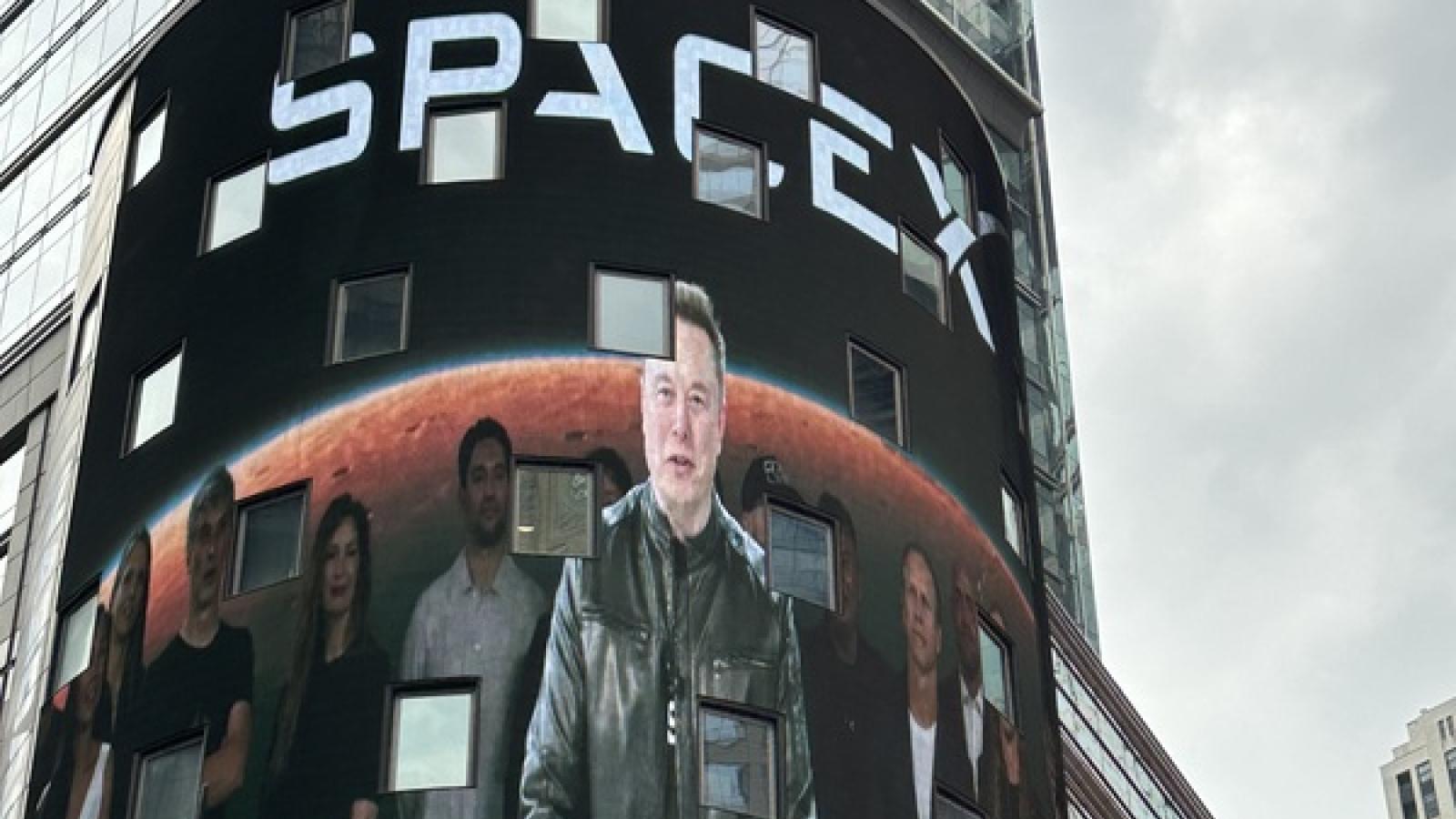
Starbase Louisiana will be SpaceX's fourth rocket launch site in the United States and the second major campus to bear the 'Starbase' name, following the Texas facility. SpaceX estimates the investment will initially create over 3,000 jobs. CEO Elon Musk stated in a company-released video that as the base develops, Louisiana could see 'roughly 10,000 very exciting job opportunities.'
Louisiana Governor Jeff Landry welcomed the investment, posting on X that SpaceX's $100 billion commitment symbolizes the state's openness to new employment, fair wages, and long-term industrial development.
According to SpaceX's current plans, Starbase Louisiana will not be just a rocket launch site but a large aerospace complex encompassing rocket manufacturing, integration, fuel supply, and energy systems. The campus will include Starship launch pads and facilities for rocket assembly, maintenance, and pre-launch preparations.
Since Starship uses liquid methane as one of its fuels, the base will also feature a methane fuel production system. Additionally, SpaceX plans to build power generation and energy supply infrastructure within the campus to support large-scale launch operations.
SpaceX is also evaluating further expansion of the site's transportation capabilities, including building an airport and deep-water port facilities. If these plans are realized, Starships could be transported from SpaceX's current Texas facilities to Louisiana for final integration and launch.
According to Reuters, the advancement of this major development project was facilitated by the settlement of a lawsuit involving oil company ExxonMobil. Louisiana had previously taken legal action over concerns that ExxonMobil's drilling and canal projects could cause wetland loss. After the settlement, obstacles to SpaceX's development of this 18-mile (29-kilometer) coastal stretch were partially removed.
However, Pecan Island itself holds significant ecological value and serves as a habitat and migration corridor for dozens of bird species, raising environmental conservation concerns regarding the Starbase Louisiana project.
Starship is SpaceX's most important next-generation launch vehicle program. Compared to SpaceX's current Falcon 9 rocket, Starship is designed with a focus on heavy payload transport, deep-space missions, and high-frequency reusability. Musk also views Starship as a critical tool for expanding the Starlink satellite network.
SpaceX aims to significantly improve satellite deployment efficiency using Starship, leveraging larger, reusable rockets to reduce per-launch costs and increase the number of satellites delivered to orbit in a single mission. As the Starlink satellite network continues to expand, SpaceX's demand for high-frequency launch capacity is also increasing.
In addition to commercial applications, Starship is closely tied to NASA's Artemis program. NASA plans to use Starship-related technology for crewed lunar landing missions, making it one of the key transportation systems for America's return to the Moon.
Currently, SpaceX primarily conducts Starship launch activities in Texas but continues to expand launch infrastructure in other regions. SpaceX is constructing two additional Starship launch pads in Florida, which, along with the Texas and Louisiana sites, could form a broader Starship launch network in the future.
Beyond Starship, SpaceX continues to use its Falcon 9 rocket for commercial satellite, Starlink, and government missions, with launch sites distributed across Florida and California.
If Starbase Louisiana proceeds according to SpaceX's current timeline, construction will begin in 2027, with the first Starship launch expected in 2029. As launch pads, rocket processing facilities, fuel and energy systems, and potentially an airport and deep-water port are gradually built, this aerospace campus in southern Louisiana will become a critical infrastructure for expanding Starship launch capacity.
FACT BOX
- Source: PR Times
- Category: News
- Organizations: ExxonMobil / NASA