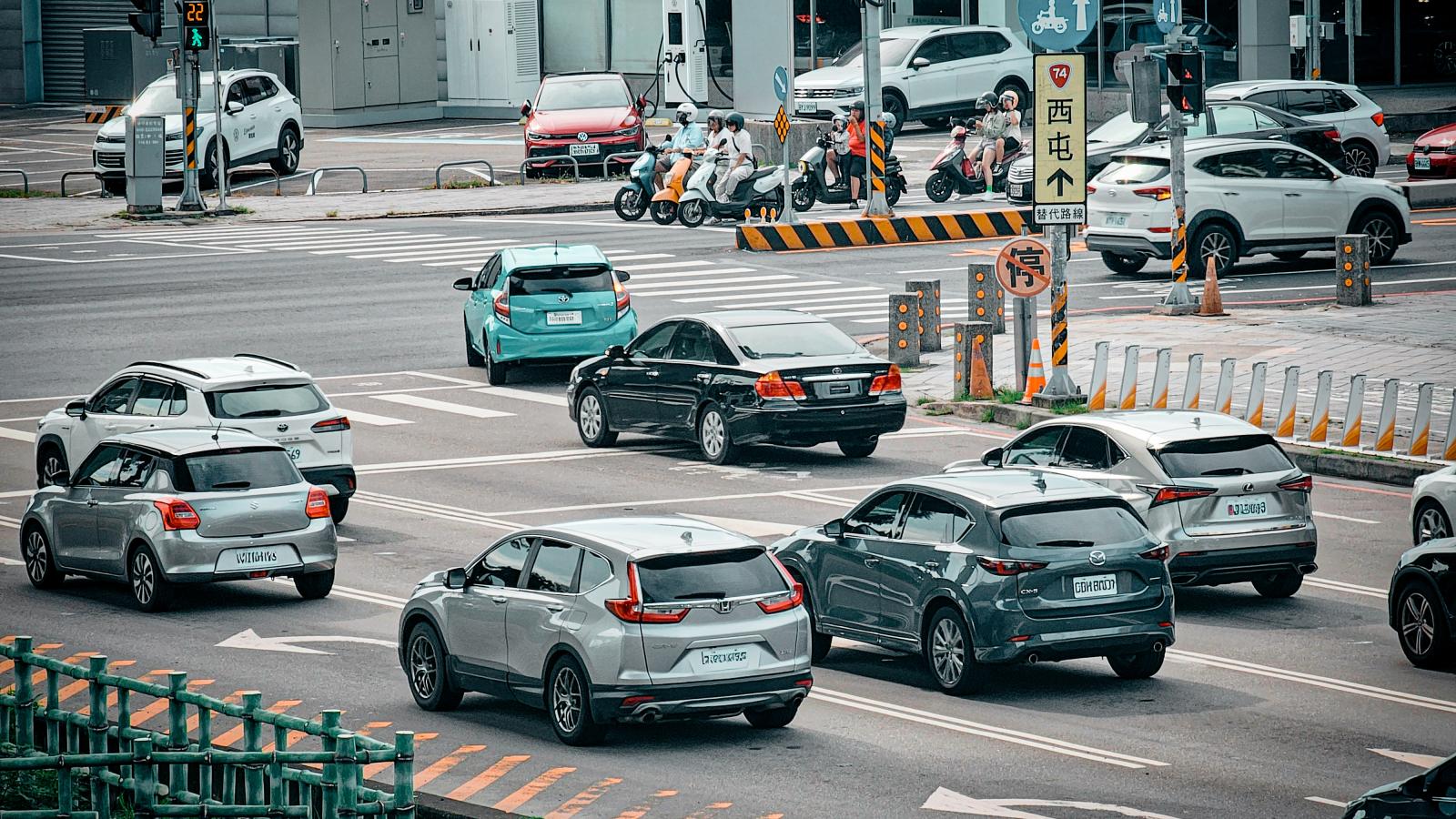
When searching for parking in busy urban streets, many drivers instinctively activate their hazard lights upon spotting an open spot, believing the flashing lights will alert vehicles behind to slow down and maintain distance. However, this common driving habit has sparked debate. Some road users argue that using a right-turn signal might be mistaken for an upcoming turn, increasing the risk of misjudgment by following drivers. In contrast, flashing hazard lights often signal an emergency, prompting others to slow down or change lanes, reinforcing the habit of turning on hazards when parking.
Yet, is using hazard lights for parking actually safer? Misinterpretation remains a concern. Some drivers have shared experiences where their vehicles—programmed to automatically flash hazard lights when reversing—were flagged during vehicle inspections as non-compliant, requiring removal. This highlights that improper use of hazard lights may violate regulations.
According to the automotive platform SUM Auto News, hazard lights (commonly known as double yellow flashers) are officially intended only for vehicle breakdowns, traffic accidents, or sudden emergencies. Activating them during routine roadside parking can confuse surrounding drivers about which direction the vehicle intends to move, potentially creating more hazards than safety.
To resolve widespread confusion over proper light usage, traffic safety authorities have clarified the correct procedure for roadside parking. When preparing to pull over, drivers must first signal their intention early by turning on the appropriate directional indicator (turn signal), clearly communicating to vehicles behind that they are slowing down and moving toward the curb. This allows following traffic to react promptly or safely overtake.
Once the vehicle reaches the parking space and prepares to reverse in, the driver should shift into reverse gear, activating the white reverse lights. These lights are highly visible and effectively signal to pedestrians and oncoming traffic that the vehicle is backing up, prompting them to stay alert and maintain a safe distance.
Combining early turn signals with reverse lights during backing is the safest, most logical, and traffic-efficient method. It ensures clear communication of intent and movement.
Moreover, improper use of lights during parking can lead to real penalties. The Ministry of Transportation warns that under Article 42 of the Road Traffic Management and Penalty Act, drivers who fail to use lights correctly may face fines ranging from NT$1,200 to NT$3,600.
Traffic laws strictly define the purpose of each light: turn signals indicate turning or lane-changing intentions, reverse lights signal backward movement, and hazard lights are reserved exclusively for emergencies or breakdowns. Drivers who routinely use hazard lights when parking should correct this habit immediately. By using turn signals when pulling over and reverse lights when backing, drivers can enhance safety and avoid unnecessary fines.
FACT BOX
- Source: PR Times
- Category: News