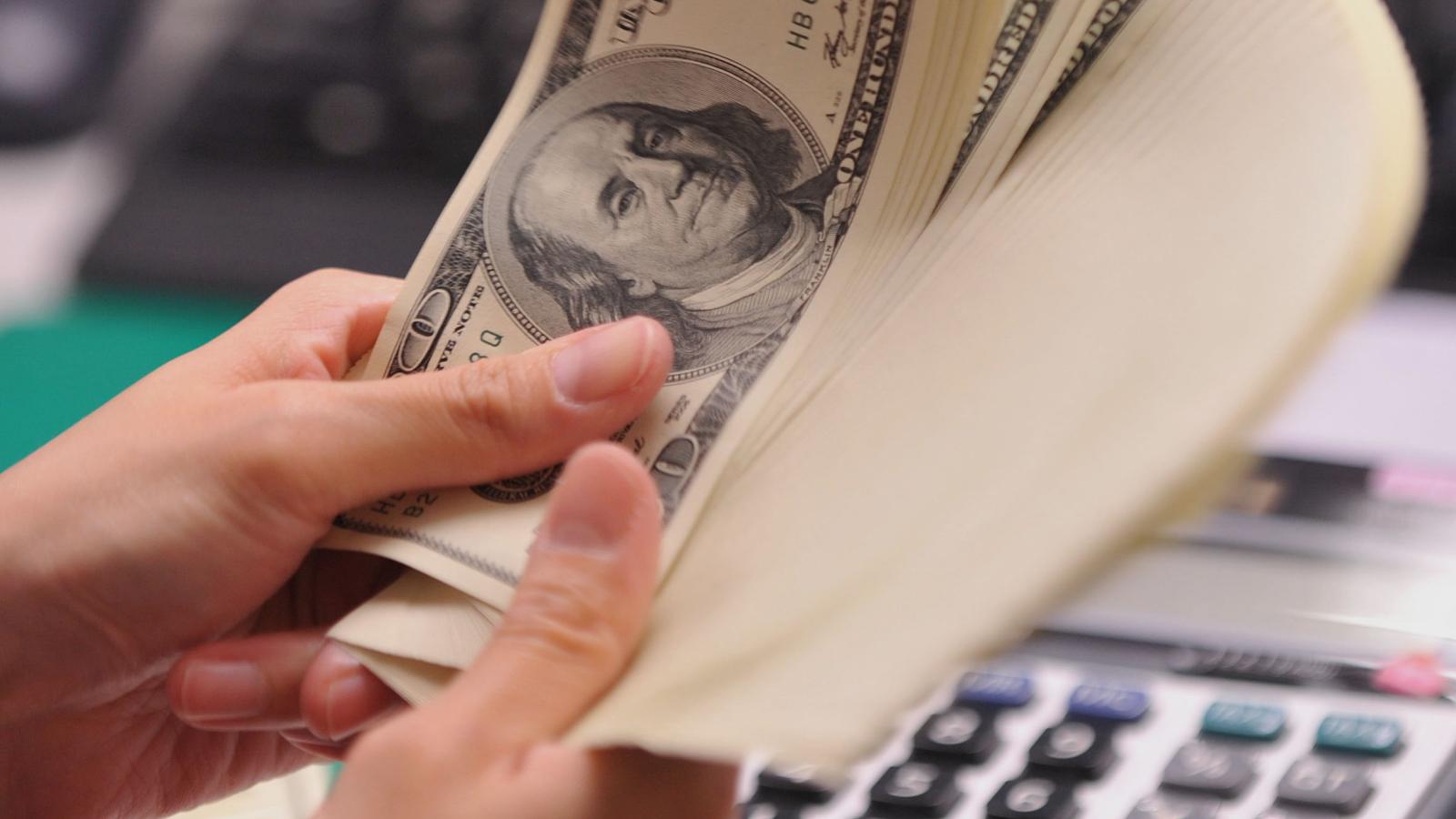
The dollar is once again under pressure, and a risk often overlooked is emerging: major global pension funds and insurers are holding substantial US assets but are increasingly refraining from hedging their dollar exposure. According to Bloomberg’s estimates based on data from six markets—Japan, Canada, Taiwan, Australia, Denmark, and Finland—as of June 30, institutional investors in these markets hedged only 41% of their foreign exchange exposure on average, the lowest level since at least 2015. In other words, these investors are increasingly willing to bear the volatility of the dollar when holding US stocks, US bonds, and other dollar-denominated assets.
This shift may not immediately create selling pressure on the dollar, but it could concentrate the currency’s downside risks. If markets reassess and conclude that the dollar has entered a longer-term weakening cycle, a synchronized increase in hedging ratios by global institutions could trigger significant selling pressure through forward foreign exchange instruments.
For the past decade, most overseas investors maintained low dollar hedging ratios for a key reason: the dollar often strengthens during market turmoil. When stock prices fall and risk appetite plummets, the dollar frequently appreciates due to safe-haven demand. For overseas investors holding US equities and bonds, even if the value of dollar assets declines, dollar appreciation can partially offset losses when converting back into their home currencies.
Moreover, hedging the dollar itself carries a cost. As long as the interest rate differential between the US and other major economies remains wide, overseas investors face higher costs to hedge their dollar exposure, reducing the incentive to hedge actively.
However, both factors supporting low hedging ratios are now weakening simultaneously. Markets are concerned that US policy may continue to erode the dollar’s value, reviving 'currency depreciation trades.' The dollar has already declined about 2.3% this quarter, weakening against most G10 currencies.
At the same time, uncertainty around US fiscal and monetary policy is rising. US Treasury Secretary Bessent’s support for a stronger yen to suppress US Treasury yields, along with market doubts about how aggressively Fed Chair Walsh will combat inflation, are prompting investors to reassess the dollar’s safe-haven status.
Bloomberg notes that the cost of hedging the dollar is now falling. For yen-based investors, the three-month dollar hedging cost has dropped to around 2.75%, a four-year low, far below the nearly 6% peak in October 2023. For euro investors, hedging costs have fallen to about 1.32%, a two-year low.
This means that overseas investors who now wish to reduce dollar exposure face significantly lower costs. As a result, a notable shift is forming in the market: in the past, institutions avoided hedging due to high costs and the dollar’s safe-haven properties; today, the dollar’s safe-haven value is being questioned, and hedging costs are declining. If both trends continue, the incentive for global institutions to raise their dollar hedging ratios will clearly increase.
The scale of this potential selling pressure is substantial. Bloomberg estimates, based on approximately $4.6 trillion in foreign assets across the six markets, that a 5-percentage-point increase in institutional investors’ dollar hedging ratio would involve transactions worth about $230 billion.
This does not mean $230 billion will immediately exit US markets, nor that investors must sell US stocks or bonds. Institutions can continue holding US equities and US Treasuries while increasing dollar hedging through forward foreign exchange contracts. This distinction is crucial because demand for US assets may remain strong, even as the dollar exchange rate faces downward pressure.
Laura Cooper, Head of Macro Credit at Nuveen, points out that the scale of US assets held by overseas investors is enormous, and even a small change in hedging ratios could generate significant foreign exchange flows.
Among all markets, Japan deserves particular attention. Japan is the largest foreign holder of US Treasury bonds, owning about 10% of the total held by foreign investors. At the same time, Japanese pension funds, insurers, and other institutions hold substantial overseas equities and bonds.
Deutsche Bank estimates that Japanese investors hedged only 41% of newly purchased overseas bonds in the first half of this year, far below the 62% in 2023.
Shoki Omori, Deutsche Bank’s Head of Japan Fixed Income Strategy, notes that the last time Japanese investors’ dollar hedging was this low was in 2013, just before the dollar entered a decade-long bull market. Today’s macro environment may be precisely the opposite.
He believes three factors could prompt Japanese investors to raise their dollar hedging ratios: further rate hikes by the Bank of Japan, a sudden sharp depreciation of the dollar, and new insurance solvency regulations that reduce insurers’ tolerance for exchange rate fluctuations.
FACT BOX
- Source: PR Times
- Category: Survey
- Organizations: Nuveen