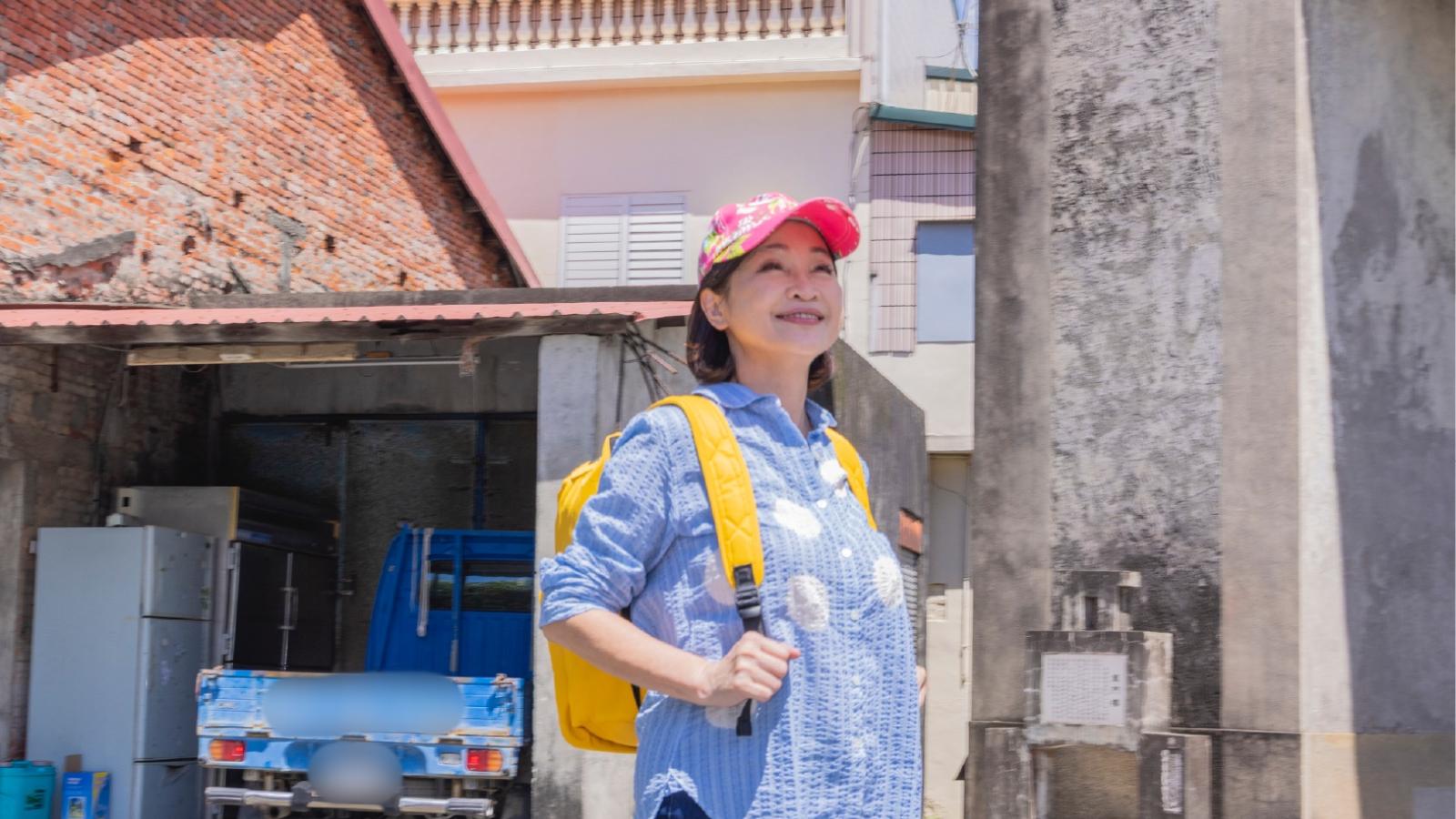
KMT Kaohsiung mayoral candidate Ko Chih-en announced her 'Five Major Hakka Policies' today (21st), comprehensively addressing international exchange, youth entrepreneurship, tourism development, cultural preservation, and Hakka language education. She proposed concrete measures including bidding for Kaohsiung to host the World Hakka Expo again, offering up to NT$2 million in support for youth returning to start businesses, launching the 'Kaohsiung Hospitality Voucher', increasing subsidies for Hakka cultural events, and raising rewards for Hakka language certification. She declared her vision to integrate Hakka communities in Meinong, Qishan, and the East Nine Districts to build Kaohsiung into the 'Southern Capital of Hakka Culture'.
### Bidding for Kaohsiung to Host World Hakka Expo, Expanding Cultural Subsidies and Certification Incentives
Ko emphasized that Hakka culture in Kaohsiung extends beyond Meinong’s rice noodles, paper umbrellas, indigo dyeing, and pastoral landscapes—it is an integral part of daily life for many local residents. She stressed that Hakka policies should not merely focus on cultural preservation but also ensure youth can find development opportunities upon returning home, that agricultural products and crafts have market access, that tourists are willing to stay longer, and that the next generation can naturally use the Hakka language in everyday life.
The first policy is titled 'Kaohsiung Takes the Baton: Bidding to Host the World Hakka Expo Again.' Ko stated she will lobby the central government to designate Kaohsiung as the host city, with primary venues in Hakka villages such as Meinong, Shanlin, and Liugui. The event would connect overseas Hakka communities through international forums, youth exchanges, and artistic collaborations, fostering closer ties between Kaohsiung’s Hakka villages and the global Hakka network.
The second initiative is the 'Kaohsiung Hakka Village Revitalization Plan,' targeting youth aged 18 to 40 who engage in culture, agriculture, crafts, tourism, or local innovation. Eligible applicants who pass review can receive up to NT$500,000 annually, with assistance in applying for central government resources—totaling up to NT$2 million over two years. Ko also plans to establish a 'Hakka Cultural Startup Crowdfunding Platform,' promote the 'Kaohsiung Hakka Village Brand,' and launch a 'Hakka Glory Awards' selection to consolidate agricultural products, cuisine, crafts, and文创 goods onto a unified e-commerce platform. This aims to assist returning youth with branding, marketing, and distribution, enabling local specialty products to reach markets beyond their home villages.
The third policy focuses on tourism development, proposing a 'Dual-Core Model of Qishan and Meinong to Drive Tourism in the East Nine Districts.' By positioning Meinong and Qishan as twin tourism hubs, the plan calls for improved public transportation and transfer systems to better connect mountain towns like Neimen, Shanlin, Liugui, and Jiaxian, expanding integrated tourism across the region. Ko also introduced the 'Kaohsiung Hospitality Voucher': visitors spending over NT$1,500 at licensed accommodations or campgrounds in Hakka villages will receive a NT$500 voucher redeemable at designated local merchants. This aims to convert day-trippers into overnight guests, boosting spending at hotels, restaurants, and local shops.
The fourth policy, 'Enhanced Cultural Subsidies and Upgrading the Kaohsiung Hakka Season,' involves increasing municipal subsidies for cultural events organized by district offices, schools, and Hakka groups. The annual subsidy cap per applicant will rise from NT$100,000 to NT$200,000. For policy-driven or culturally significant large-scale events, the cap will increase from NT$300,000 to NT$600,000. Ko also proposes expanding the current 'Kaohsiung Hakka Month' into a 'Kaohsiung Hakka Season,' integrating events such as the Hakka Pop Music Festival, markets, craft exhibitions, film screenings, and seasonal rituals into a city-wide cultural celebration involving both rural villages and urban districts.
Additionally, Ko plans to establish a 'Kaohsiung Hakka Village Digital Archive' to systematically collect village histories, elders’ oral testimonies, old photographs, craft techniques, and cultural stories. This archive will serve educational, museum, and tourism purposes, preserving local cultural memory.
The fifth policy centers on Hakka language education and craft inheritance. Ko aims to double the number of schools offering daily Hakka language use and immersive teaching by 2030, expanding this model to urban Hakka communities in Sanmin and Fengshan. She also announced increased rewards for Hakka language certification: NT$1,000 for beginner, NT$1,500 for intermediate, NT$3,000 for upper-intermediate, NT$5,000 for advanced, and NT$6,000 for professional levels.
Regarding cultural heritage and traditional crafts, Ko pledged to properly preserve and revitalize assets such as communal houses (ho-fong), historic streets, Bo Gong beliefs, jingzi pavilions, and historical settlements. For traditional crafts like oil-paper umbrellas, indigo dyeing, and bamboo weaving, she will establish systematic mechanisms for transmission and training, moving Hakka culture from being 'preserved by someone' to 'learned by someone, practiced by someone, and passed on by someone.'
Ko emphasized that sustained policy investment is essential for Hakka cultural development. Through these five policies, she aims to provide entrepreneurial resources for returning youth, secure market channels for local products, retain tourists in Hakka villages, enable children to use Hakka at home and school, and preserve invaluable cultural heritage and crafts—ensuring Hakka culture thrives in daily life and gradually elevates Kaohsiung’s Hakka communities on the global stage.
FACT BOX
- Source: PR Times
- Category: キャンペーン