AI Net Zero Special Report (300 articles)
Central Message
Digital transformation is already an ongoing process in industries. Artificial intelligence and net-zero carbon emissions are two major challenges facing both the government and businesses, and they are crucial to Taiwan's future competitiveness. The CNA frontline reporting team provides in-depth coverage of how the government and various industries are using AI to optimize production processes and drive green innovation, witnessing another leap forward for Taiwan's industries.
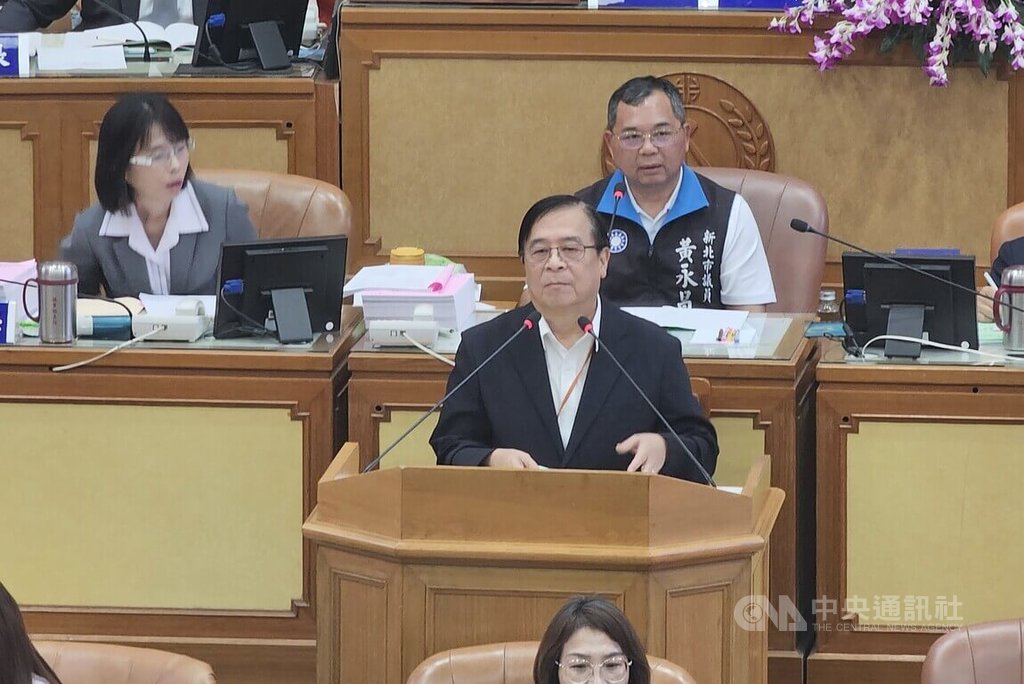
(CNA reporter Wang Hong-guo, New Taipei City, 4th) The New Taipei City Government Transportation Department, in response to the application of new technologies such as artificial intelligence (AI), will establish a Smart Transportation Center. It is scheduled to move into the New Taipei City Government's Second Administrative Center in Sanchong District by the end of the year, integrating application systems for smart traffic control, smart parking, and smart public transportation.
The New Taipei City Council has reviewed and passed a draft amendment to parts of the Transportation Department's organizational regulations. In the future, a Smart Transportation Center will be added as a first-level unit under the department, along with new positions for analysts, managers, and assistant managers.
Transportation Department Director Chung Ming-shih stated that the Smart Transportation Center will integrate the department's existing bus dynamic information system, traffic control system, traffic accident data analysis system, public parking lot information system, real-time roadside parking ticket transmission system, towing system, parking monitoring center, and roadside parking fee collection management information system to establish smart traffic control, smart parking, and smart public transportation systems.
The Transportation Department indicated that the Smart Transportation Center will introduce new technology applications such as cloud computing, big data, and AI to achieve goals of comprehensive command, information integration, and inter-departmental coordination, thereby improving traffic control efficiency, strengthening information security and backup mechanisms, and ensuring the stability of traffic information services. (Editor: Li Ming-zong) 1150604
FACT BOX
- Source: CNA (Central News Agency)
- Category: 政策