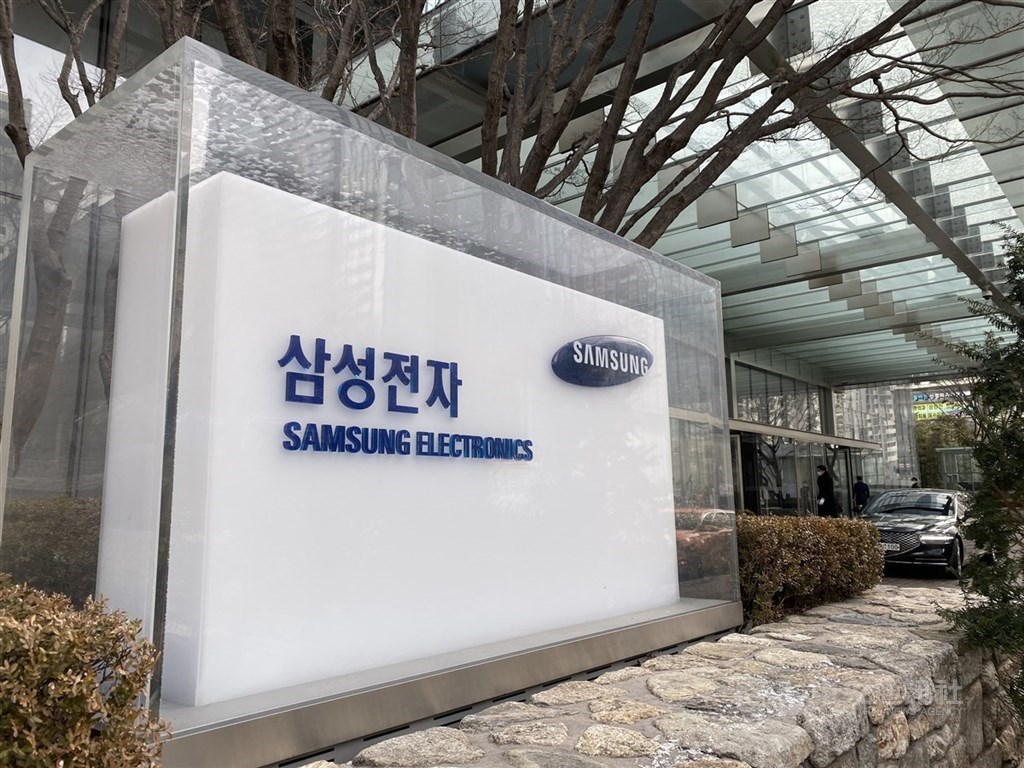
(CNA Seoul, 5th, Combined Foreign News) After one of the world's strongest rallies, the $4.9 trillion South Korean stock market is beginning to show signs of fatigue. The Korea Composite Stock Price Index (KOSPI) plunged as much as 7% today, with sharp drops in Samsung Electronics and SK Hynix shares, indicating a rapid escalation in market volatility.
According to Bloomberg News, the Korea Exchange temporarily halted program selling due to a sharp plunge in futures prices. Such suspension measures have become increasingly frequent this year.
As of the 4th, the KOSPI has gained more than 100% year-to-date, but the rally has been heavily concentrated in the two chip giants, Samsung Electronics and SK Hynix, leaving the overall market vulnerable to a slowdown in momentum for artificial intelligence (AI) related stocks.
Furthermore, retail investor participation is beginning to cool, and the surge in margin debt faces risks from a potential interest rate hike by the Bank of Korea. Analysts point out that the prevalence of leveraged ETFs could also amplify any market reversal.
The market's biggest concern is the excessive concentration of the rally. According to data from the Korea Exchange, Samsung Electronics and SK Hynix, benefiting from AI chip demand, together account for 54% of the KOSPI's market capitalization weight and roughly half of the average daily trading volume in May. So far this year, nearly three-quarters of the KOSPI's gains have come from these two companies.
Single-stock leveraged ETFs linked to Samsung Electronics and SK Hynix are another concern for the market. Exchange data shows that in the first five trading days after their listing on May 27th, the four most popular single-stock ETFs accounted for 21% of total Korean ETF trading volume.
Foreign investors have been net selling heavily recently. Since June this year, foreign investors have sold 15.8 trillion won (approximately $10.2 billion) worth of KOSPI stocks, due to profit-taking and portfolio adjustments influenced by single-stock holding limit regulations. Retail investors are also starting to reduce new capital inflows.
The Korea Financial Investment Association (KFIA) noted that customer deposits at brokerages fell from 137 trillion won on May 12th to 121 trillion won on May 22nd, while margin debt hit a record high of 38 trillion won on May 29th, up from 27.3 trillion won at the end of 2025.
Despite this, an optimistic mood still pervades the South Korean market. Investor interest in AI-related stocks remains strong, and Wall Street investment banks continue to be bullish on the earnings prospects of the chip industry.
Just this week, Goldman Sachs raised its KOSPI target from 9,000 points to 12,000 points.
Another test will arrive next month. The market widely expects the Bank of Korea to raise interest rates, which could weaken market liquidity. (Editor: Xu Ruicheng) 1150605
FACT BOX
- Source: CNA (Central News Agency)
- Category: 產業