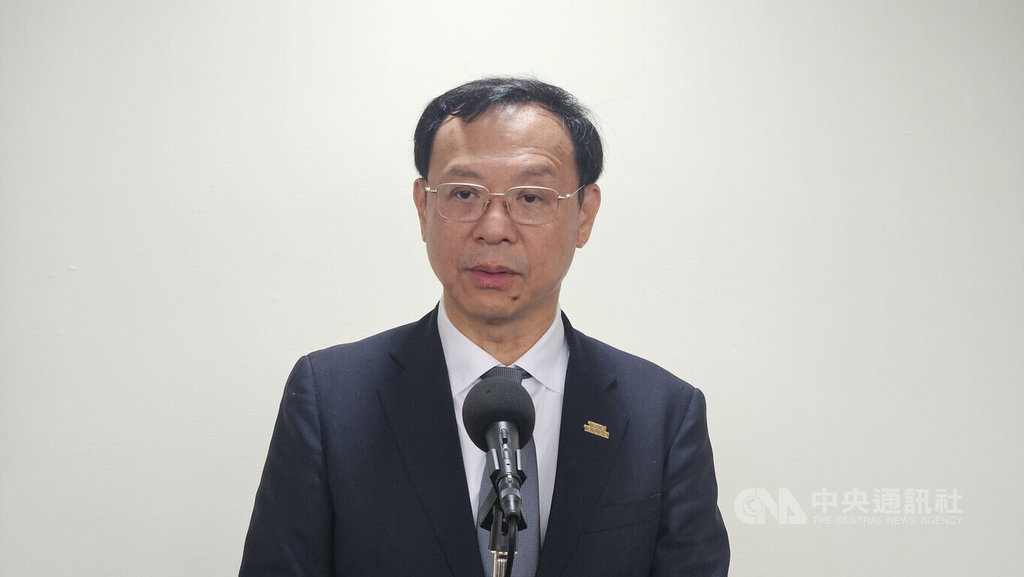
Minister of Health and Welfare Shih Chung-liang stated today that the plan for hospital-at-home care will be extended to chemotherapy for all cancer types. After the initial treatment in a hospital, patients can switch to home-based therapy upon a physician's evaluation, with the program expected to launch in the second half of the year. The ministry is also actively communicating with the Financial Supervisory Commission (FSC) regarding the practice of commercial medical insurance policies requiring hospitalization for claims on related treatments.
According to a report by the United Daily News, the FSC has convened a meeting with insurance providers today to comprehensively review medical insurance claim rules, focusing on three major issues: the shift from inpatient to outpatient care, one-day surgery, and acute care at home, to study whether policy payouts can keep up with medical trends.
Today, the Social Welfare and Environmental Hygiene Committee of the Legislative Yuan reviewed a draft amendment to the Medical Care Act. Shih Chung-liang was invited to attend and was interviewed by the media before the session.
Shih said that with the advancement of medical technology and changes in care models, many treatments or procedures that previously required hospitalization can now be gradually performed in outpatient clinics or at home. For example, the hospital-at-home program launched two years ago moved infectious disease treatments that originally required hospitalization to the home, making it more convenient for people and reducing the burden on family caregivers. The outpatient intravenous antibiotic therapy, launched last year, also shifted a treatment that required hospitalization to an outpatient setting.
Shih added that the next step is to further promote cancer treatment at home. Citing international practices, he explained that after a first chemotherapy session in a hospital, if there are no issues and a port-a-cath is installed, subsequent chemotherapy can be done at home, avoiding the risk of hospital-acquired infections for cancer patients with weaker immune systems.
Shih noted that at-home chemotherapy is already being practiced in other countries, such as France, where at-home treatments include infectious diseases and chemotherapy. Since chemotherapy needs to be administered periodically, conducting it at home allows for more stable adherence to the schedule, free from the constraints of hospital bed arrangements. It is applicable to all cancer types, but individual cases still require a physician's evaluation. The plan is to launch it in the second half of this year.
Regarding the issue of commercial medical insurance claims, Shih pointed out that some past commercial medical insurance policies restricted payouts to hospitalizations. The MOHW received feedback from frontline hospitals that these new care models could not be promoted because patients might be concerned about their insurance coverage. Therefore, the MOHW is now actively discussing with the FSC, hoping to communicate with insurance providers to adjust payment methods to meet the demand.
Shih said this is actually a "win-win-win" situation. On one hand, past experience shows that medical costs, including hospitalization, decrease after implementing new models. For the public, if their policy originally covered such treatments, they should not be denied payment because the care model has changed. For hospitals, it will improve bed utilization efficiency and alleviate the demand for beds caused by medical staff shortages.
Shih stated that this is a very good direction and that he has exchanged views with FSC Chairman Peng Chin-lung on this matter multiple times and will continue to actively discuss it with the FSC. The first step will be for the FSC to communicate with the relevant industry players.
FACT BOX
- Source: CNA (Central News Agency)
- Category: 政策