Central News Agency reporter Li Hsien-feng, Hualien County, June 16
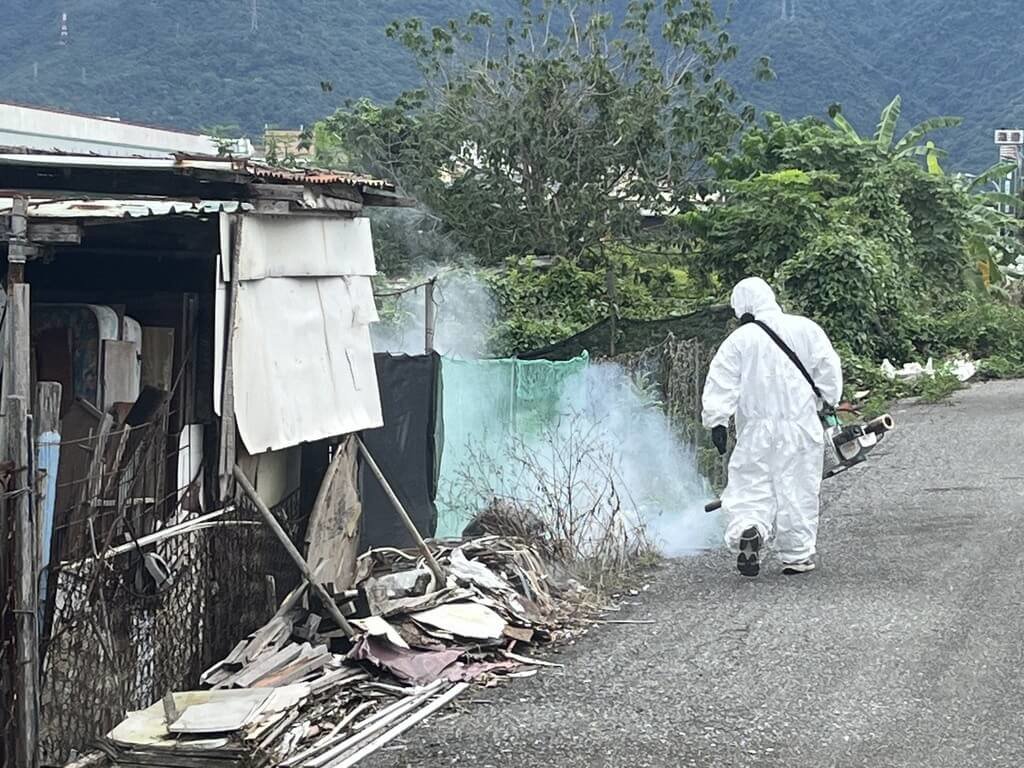
Hualien has confirmed its first case of Japanese encephalitis this year in a female infant under one year of age. The child is currently hospitalized, and upon notification, the Health Bureau immediately launched an epidemiological investigation. Environmental risk assessments, mosquito density monitoring, and inspections for breeding sources are being conducted around the patient's residence and activity areas to prevent the spread of the disease.
The Centers for Disease Control (CDC) today announced the youngest-ever local case of Japanese encephalitis in Taiwan—a female infant under one year old from Hualien. The child has not yet reached the age for vaccination, has no history of international travel or congenital diseases, and has been hospitalized for three weeks, still receiving treatment in the intensive care unit. The source of infection remains under investigation.
Chu Chia-hsiang, Director of the Hualien County Health Bureau, urged the public to complete vaccinations on schedule, emphasizing that timely immunization is the most effective way to prevent Japanese encephalitis in infants and young children. With the current hot and rainy season coinciding with the peak breeding period for dengue fever mosquitoes, the public should be aware that Japanese encephalitis is primarily transmitted through mosquito bites and does not spread directly from person to person.
In Taiwan, the Japanese encephalitis season runs annually from May to October, peaking between June and July. Mosquito vectors mainly breed in rice paddies, irrigation ditches, ponds, water-filled containers, and areas surrounding livestock farms. While most infected individuals show no obvious symptoms, a small number may develop severe neurological symptoms such as high fever, headache, altered consciousness, or seizures, potentially leading to permanent neurological sequelae or death—conditions that must not be taken lightly.
The Health Bureau reminded the public that both Japanese encephalitis and dengue fever are mosquito-borne diseases. Preventive measures at home should include timely vaccination. The Japanese encephalitis vaccination schedule requires the first dose at 15 months of age, followed by a second dose 12 months later. Parents are strongly advised to bring infants and young children to one of the 13 township health centers or contracted clinics for vaccination on schedule.
Residents should diligently practice the “Inspect, Tip, Clean, Scrub” campaign—regularly inspecting indoor and outdoor environments, eliminating water-collecting containers and waste debris to cut off mosquito breeding sources. Home protection should be strengthened by installing window and door screens and using mosquito nets. Avoid visiting high-risk areas during peak mosquito activity periods such as dusk and dawn.
For personal mosquito protection, wear light-colored long-sleeved clothing and apply government-approved repellents containing DEET, Picaridin, or IR3535 to exposed skin when outdoors.
The Hualien County Health Bureau emphasized that epidemic prevention requires collective public participation. It will continue collaborating with township and city offices to promote source elimination campaigns and safeguard community health.
Individuals experiencing symptoms suggestive of Japanese encephalitis (fever, altered consciousness, seizures) or dengue fever (fever, headache, muscle pain, rash) should seek medical attention promptly and proactively inform healthcare providers of their activity history. For more information, visit the CDC website, call the free epidemic prevention hotline 1922, or contact the Hualien County Health Bureau’s epidemic hotline at (03) 8226975. (Edited by Li Heng-shan) 1150616
FACT BOX
- Source: CNA (Central News Agency)
- Category: Taiwan