(CNA Taipei, July 8) — President Lai Ching-te said today that violence, intimidation, or threats to silence people are unacceptable, following the assault on Yaita Akio, CEO of the Indo-Pacific Strategy Think Tank. Statistics from 2024 to the end of June this year show that 374 Taiwanese citizens have gone missing, been detained for questioning, or had their personal freedom restricted after traveling to China. He reminded the public to avoid traveling to China unless absolutely necessary.
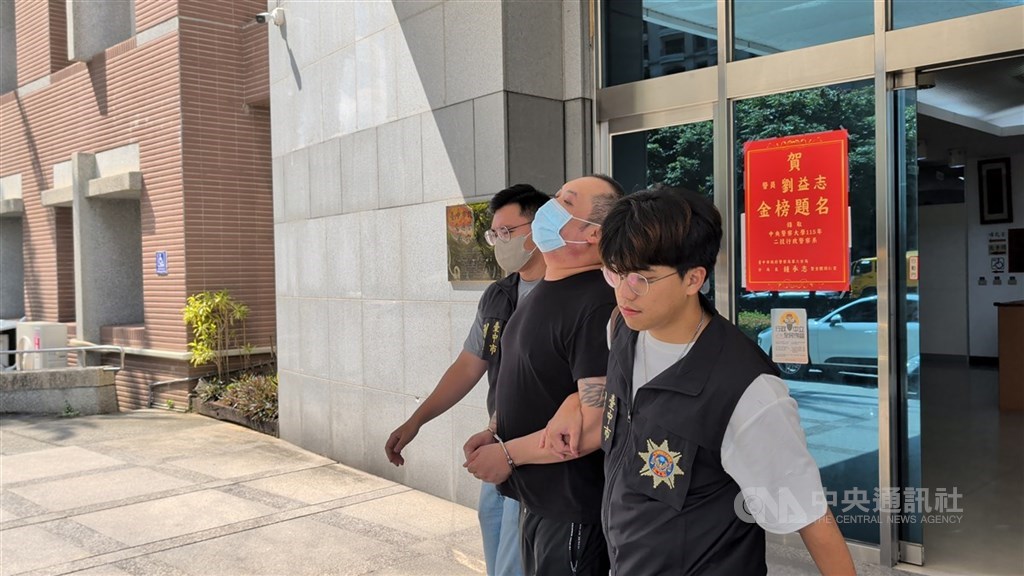
Yaita Akio, CEO of the Indo-Pacific Strategy Think Tank, was assaulted by a Chinese national in Taichung on the 6th. The suspect was apprehended while attempting to leave the country by plane.
Speaking at a Democratic Progressive Party (DPP) Central Standing Committee meeting today, Lai Ching-te noted that recent incidents, such as the attack on Yaita Akio and previous assaults on Hong Kong residents in Taiwan, demonstrate the fundamental differences in systems and values between democratic Taiwan and Communist China, where fear is manufactured to silence dissent and suppress opposing views.
Lai Ching-te stated that Taiwan is a democratic and law-abiding country where citizens enjoy freedom of speech. Different stances and opinions can gain support and recognition through democratic mechanisms of rational discussion and public debate. Violence, intimidation, or threats to silence others are absolutely unacceptable. In contrast, Communist China has long suppressed voices that differ from the Chinese Communist Party, even using legal and violent means to curtail people's freedom of expression.
He believes it is particularly noteworthy that China has, in recent years, closely linked political unification with the suppression of dissent through nationalism. From the "Anti-Secession Law" to the "Law on the Promotion of National Unity and Progress," under the guise of "national unity," China has further fostered a social atmosphere where dissenting opinions are treated as enemies, even resorting to violence to suppress opponents. This not only endangers Taiwanese citizens but also potentially affects people in other countries, leading to transnational repression.
Lai Ching-te emphasized that freedom and democracy are Taiwan's most precious core values and the biggest difference between Taiwan and Communist China. For this reason, violence and fear must not be allowed to influence a democratic society.
Furthermore, he said that statistics from 2024 to the end of June this year show that 374 citizens have gone missing, been detained for questioning, or had their personal freedom restricted after traveling to China. He specifically reminded the public to avoid traveling to China unless absolutely necessary and to be highly vigilant and pay attention to their personal safety if they must go.
Lai Ching-te stated that China's exports include not only cross-border repression fueled by nationalism but also escalating military threats. The recent test-firing of a submarine-launched intercontinental ballistic missile in the South Pacific region by China is an attempt to create tension and unease in surrounding countries through military force, further expanding its authoritarian influence.
He pointed out that whether it is suppressing freedom of speech or threatening regional security, the essence is to force others to submit through fear.
Lai Ching-te said that in the face of China's continuous authoritarian expansion and attempts to alter the regional status quo, Taiwan will firmly defend the democratic status quo, unite and cooperate with democratic countries, strengthen collective deterrence capabilities, and jointly maintain a rules-based international order to ensure peace, freedom, and prosperity in the Taiwan Strait and the Indo-Pacific region. (Edited by Lin Hsing-meng) 1150708)
FACT BOX
- Source: CNA (Central News Agency)
- Category: 政治