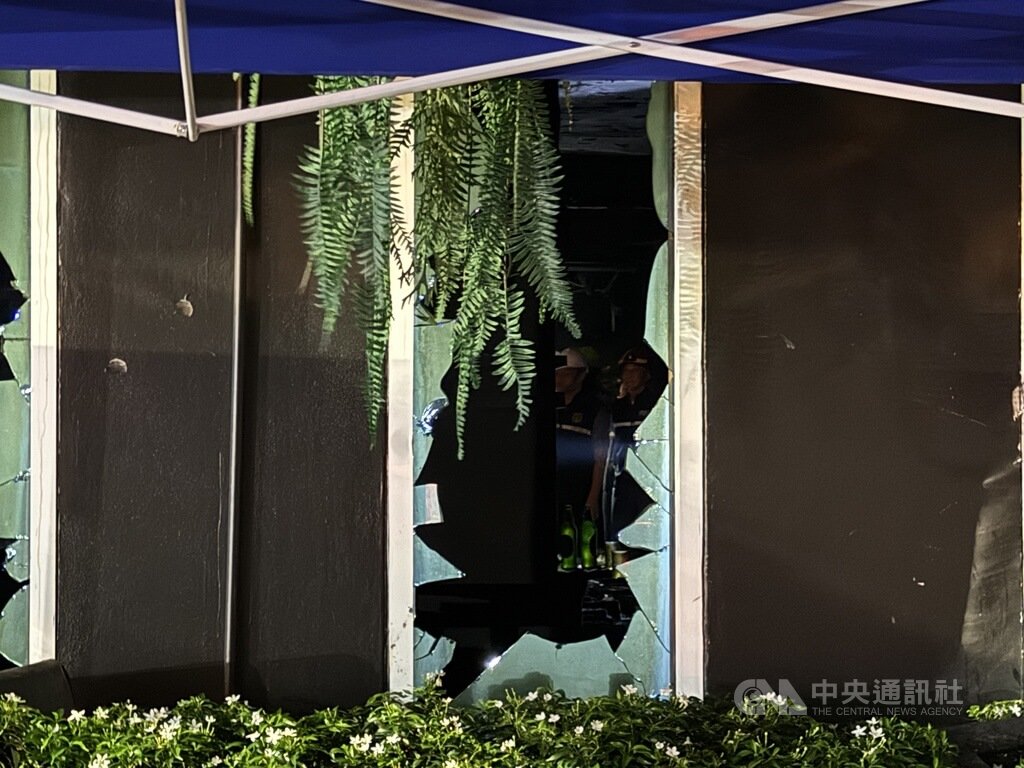
(Central News reporter Li Zongxian, Bangkok, 13th) Bangkok is a popular tourist destination, home to numerous bars, pubs, and beer restaurants favored by international visitors. Yet, major fire incidents continue to recur. Fire safety experts told Central News that fatalities in such venues are often not caused by flames, but by smoke, toxic gases, and difficulties in evacuation. This fire highlights loopholes in regulations and enforcement.
Kanathat Chantrsiri, founder and president of the Fire and Rescue Association (FARA) of Thailand, told Central News that fires in entertainment venues typically share several common characteristics: dim lighting, rapid smoke spread, high temperatures, and extremely short evacuation times.
Kanathat explained that over 90% of fire-related deaths are not due to burns from flames, but from inhaling smoke and toxic gases. In darkness, people lose their sense of direction and may collapse from smoke inhalation. Others then fall or push, creating a chain reaction that further blocks escape.
He said, 'Darkness is one of the biggest obstacles to firefighting and evacuation. This is especially evident in dimly lit entertainment venues. Once a fire starts, power cuts off, plunging the building into darkness. Smoke further reduces visibility, making it extremely difficult for people to find their way out.'
Pichaya Chantranuwat, founder of Thai fire safety consulting firm Fusion Fire Safety, who has extensively studied the 2009 Santika nightclub fire in Bangkok, added to Central News that the high number of people and dense crowd at the beer restaurant, along with numerous tables and chairs, likely made evacuation more difficult. 'From the scene footage, the fire spread at an abnormally rapid speed,' though the exact cause remains under investigation.
He believes this incident shares many similarities with the 2009 Santika nightclub fire and the 2022 Mountain B nightclub fire in Chonburi Province, urging authorities to conduct a comprehensive investigation into the true causes of the fire and the high death toll.
Additionally, Kanathat pointed out that the dangers of high temperatures are often underestimated. Indoor temperatures in burning buildings can exceed 150°C. 'Inhaling superheated air instantly burns airways and lung tissue, leading to respiratory failure and even death before direct contact with flames.'
Kanathat told Central News that the first minute after a fire is the most critical. Hesitation or unfamiliarity with evacuation routes can quickly lead to entrapment. Therefore, immediate evacuation upon detecting any anomaly is essential, rather than waiting for assistance.
Regarding the investigation direction, Kanathat said investigators will first clarify the cause of ignition and the rapid fire spread, including possible sources such as welding work, smoking, other open flames, or equipment failure.
They will also examine whether large amounts of flammable materials were stored inside the building, or if management negligence or unauthorized renovations were involved.
He noted that despite partial regulatory revisions after major incidents like the 2009 Santika fire and the 2022 Mountain B fire, similar problems continue to recur. He cited examples to Central News, including insufficient emergency exits, use of flammable sound-absorbing interior materials, and inadequate safety inspections.
Pichaya echoed similar views, questioning whether interior materials and toxic gases should be scrutinized. On regulations, he pointed out that some operators apply for business licenses as restaurants but operate in a manner closer to nightclubs.
He believes that restaurants and nightclubs are subject to different fire safety requirements, and some operators may thus evade stricter fire codes. This fire highlights the need for a review of fire safety management.
On preventing similar tragedies, Pichaya believes operators must take responsibility by choosing appropriate building materials and avoiding extensive use of flammable decorative materials.
Central News observed on-site that most staff at the beer restaurant successfully evacuated unharmed. Pichaya believes this may be because employees are more familiar with the layout and could quickly reach rear exits, whereas first-time customers, unfamiliar with the environment, are more likely to become trapped during emergencies. (Editor: Wei Shu) 1150713
FACT BOX
- Source: CNA (Central News Agency)
- Category: Taiwan
- Organizations: Fire and Rescue Association (FARA) / Fusion Fire Safety