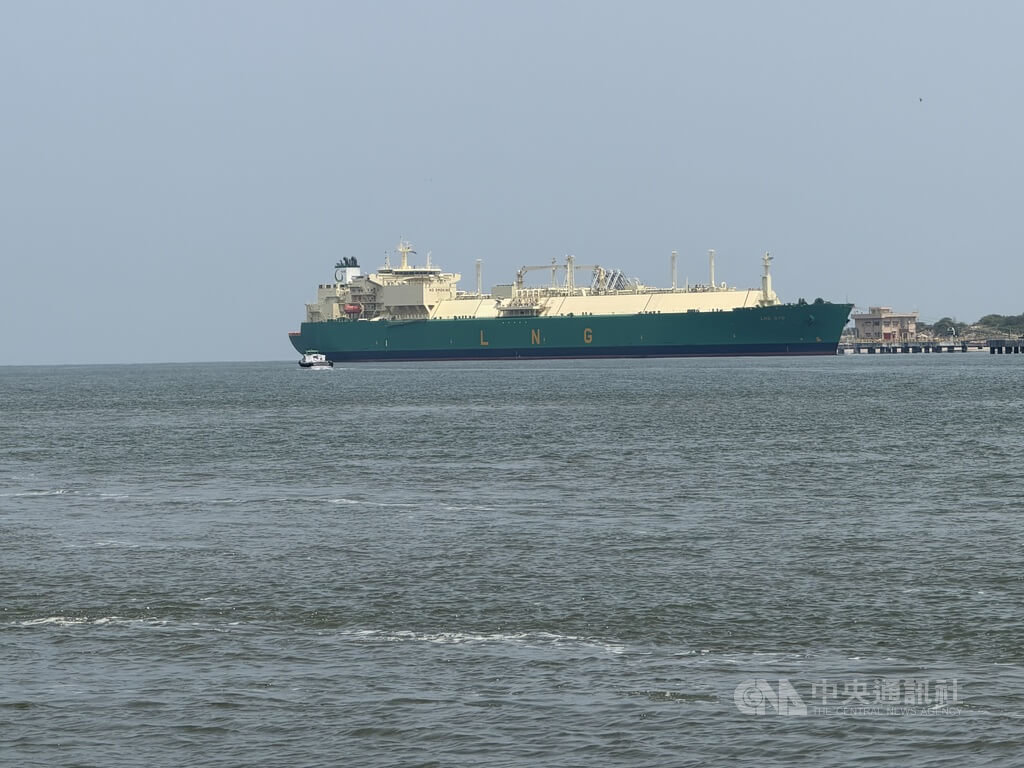
The war in the Middle East has triggered global shortages in oil and natural gas supplies, prompting Indian Prime Minister Narendra Modi to urge the search for alternative energy sources. Meanwhile, two hydrogen buses have begun pilot runs in Delhi, attempting to reduce India's reliance on traditional energy. The conflict between the US, Israel, and Iran, along with the blockade of the Strait of Hormuz, has made it difficult for India to import fuel from the Middle East as it has in the past. India relies on the Strait of Hormuz for nearly half of its crude oil and liquefied petroleum gas imports, causing domestic gasoline and diesel prices to rise twice in just one week. According to NDTV, following his visit to Europe, Modi held a cabinet meeting on the evening of the 21st to discuss responses to the energy supply shortage. He called for the exploration of alternative energy sources beyond traditional ones, including promoting the use of biogas for cooking instead of the commonly used liquefied petroleum gas (LPG). Before his European tour, Modi made a brief stop in the UAE, where he quickly finalized agreements related to oil and natural gas supplies, but he continues to call on the domestic public to reduce fuel consumption. He hopes citizens will switch to electric vehicles and public transport whenever possible and reduce non-essential overseas travel. As India faces energy shortages and seeks solutions, Delhi has begun experimenting with hydrogen buses using new fuel types. The Economic Times mentioned that Delhi has put two hydrogen buses into trial operation, with each currently covering about 180 kilometers per day. The hydrogen buses currently being tested in Delhi are hydrogen fuel cell vehicles that run by converting hydrogen into electrical energy. Each has four hydrogen tanks on the roof, allowing for a maximum range of nearly 250 kilometers on a full tank. However, the Times of India pointed out that hydrogen buses have not yet been fully commercialized and it is difficult to launch them on a large scale to replace existing fuel or electric buses for the time being. The Times of India cited that, including fuel and driver wages, the operating cost of current compressed natural gas (CNG) buses is about 60 rupees (approx. NT$19.7) per kilometer, while hydrogen buses cost as much as 100 rupees (approx. NT$32.86).
FACT BOX
- Source: CNA (Central News Agency)
- Category: business