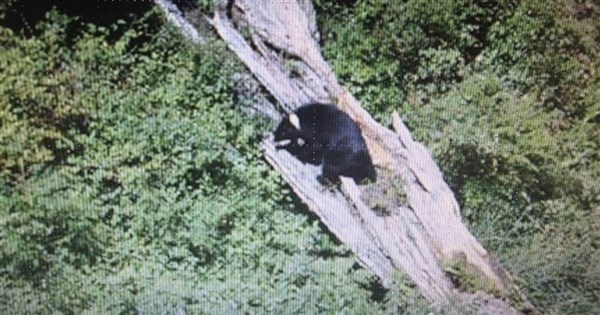
Japan is facing human-bear conflicts more severe than those in Taiwan, with a record 13 deaths in 2025. Japanese media warns that without countermeasures, 'bears could occupy cities by 2050.' In April, a black bear appeared in a residential area of Sendai, making urban encounters a reality.
According to the Ministry of the Environment, there were 238 bear attacks in fiscal 2025. Prefectures like Akita and Iwate have issued early bear warnings. Experts point to the decline of 'Satoyama'—the buffer zone between nature and human settlements—due to depopulation and aging, allowing bears to settle near villages.
In March, the Japanese government set goals for 2030, including emergency response systems, population management, and regional management plans. Local governments are introducing measures like electric fencing and AI-based warning systems.
Professor Lin Liang-kung of Tunghai University notes that Japan's local governments lead in managing hunters and zoning protected areas. He suggests that Taiwan, currently led by the Forestry and Nature Conservation Agency, needs more local government involvement and risk-based zoning. Director-General Lin Hua-ching of the agency stated that Taiwan is developing response guidelines, classifying conflicts from 'low' to 'high' risk to implement appropriate measures.
FACT BOX
- Source: CNA (Central News Agency)
- Category: feature