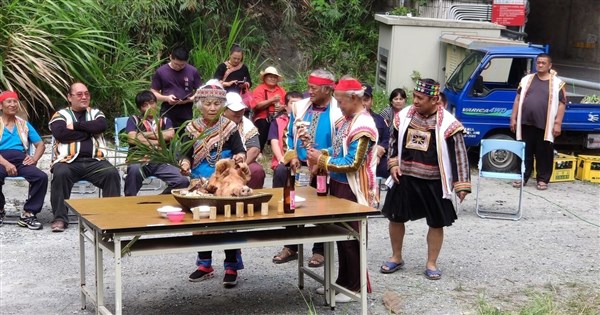
In indigenous tribes, the black bear is both a 'guardian of the mountains' and a figure of both 'devil' and 'divinity.' In the Lidao and Wulu Bunun tribes along the South Cross-Island Highway, a 'vow of mutual non-aggression' was held in 2020. Priest Matai urged the bears to respect the ancestral agreement and stay away from the villages. Village chief Yu A-yong echoed this, asking the bears to honor their promise.
Bunun cultural worker Dahai noted that the Bunun have always treated bears as equals or even gods. Hunter Jiyanu emphasized that hunting bears is a major taboo that brings misfortune, and even if trapped, they must not be shot. Aliman, head of the Forest Museum, explained that bears are called 'Aguman,' and if accidentally trapped, the hunter must perform rituals and stay in the mountains until the harvest.
However, last year in Zhuoxi Township, Hualien, a ranger shot a bear that was attacking livestock in self-defense. This caused significant controversy, and the ranger faced immense pressure. The tribe performed 'bear songs' to cleanse the area and calm the spirits. Other indigenous societies share similar taboos, believing that killing a bear brings disease and misfortune.
Despite this, when bears break their 'vow' and threaten lives, Chief Yu A-yong admits, 'We drive them away if we can, but if we can't and our lives are in danger, we have no choice but to shoot.' Hunter Tang Zong-yi observes that bears have changed, coming lower and learning to eat human food. Chicken coops and huts have become 'buffets,' and mother bears are teaching their cubs to raid them.
Tribes are now working with the Forestry and Nature Conservation Agency to form patrol teams, setting up cameras and learning bear habits. Rukai cultural teacher Cegaw Lakadrangila says, 'The bear is a guardian of the land, reminding us that we must not cross the invisible line,' emphasizing the importance of coexistence with nature.
FACT BOX
- Source: CNA (Central News Agency)
- Category: feature