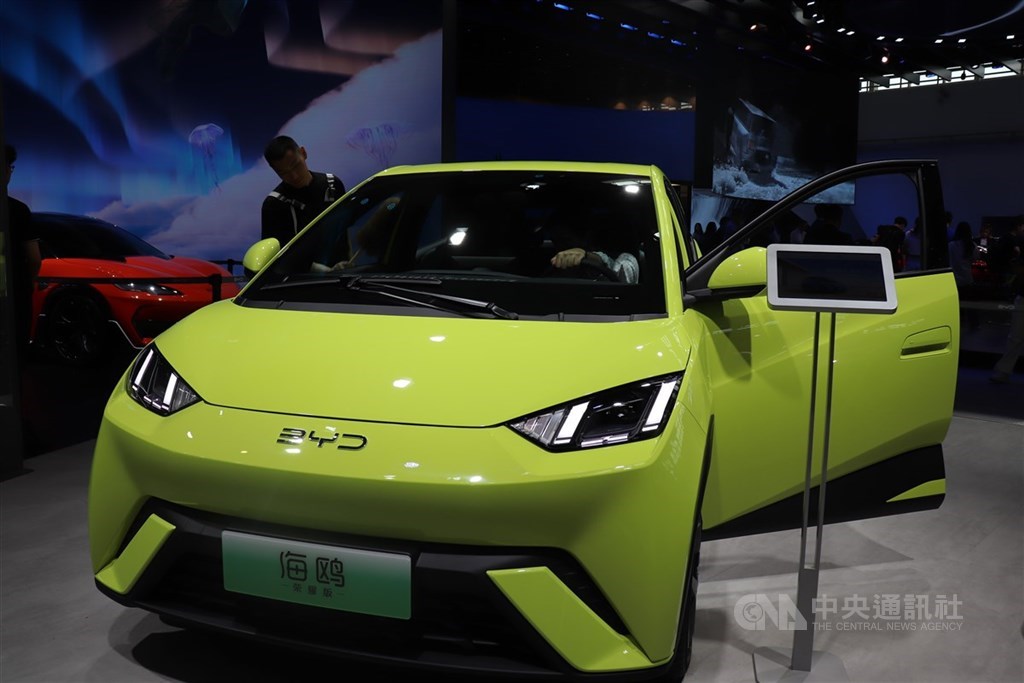
Chinese car brands have risen rapidly in the Brazilian market in recent years, capturing nearly 20% market share thanks to electrification technology, price advantages, and novel designs. However, experts warn that this trend is exacerbating Brazil's deindustrialization problem, leaving the local automotive industry facing severe challenges. An analysis by Brazilian news site R7 suggests this is not a short-term phenomenon but a structural issue spanning decades. Since the wave of globalization in the 1980s shifted manufacturing to Asia, Brazil's industry has gradually lost competitiveness. Trade liberalization in the 1990s exposed local industries to international competition, and with China's accession to the WTO in 2001, cheap manufactured goods flooded in, leading Brazil to rely increasingly on commodity exports while the share of manufacturing continued to decline. In recent years, with the expansion of Chinese e-commerce platforms like AliExpress, Shein, and Temu, Brazil's textile, footwear, toy, and electronics sectors have suffered one after another. The automotive industry is now facing similar pressure. Although Chinese automakers have set up assembly lines in Brazil, core R&D and technology remain overseas, making it difficult for Brazil to accumulate local technical capacity. Reports indicate that the situation in the Brazilian automotive market is repeating the fate of other industries: over 60% of toys come from China, with local brands nearly disappearing; the footwear and textile industries have seen large-scale factory closures; and electronics manufacturers like Gradiente and CCE have struggled to compete with Chinese brands. If the automotive industry lacks policy support and innovative investment, it risks following the same path. Analysts warn that while Chinese car models are attractive in quality and price—a benefit for consumers—without a long-term industrial strategy, Brazil may lose more manufacturing capacity and become further dependent on imports. Maintaining local industrial vitality amid global competition has become an urgent issue for the Brazilian government and industry.
FACT BOX
- Source: CNA (Central News Agency)
- Category: economic
- Organizations: AliExpress / Shein / Temu