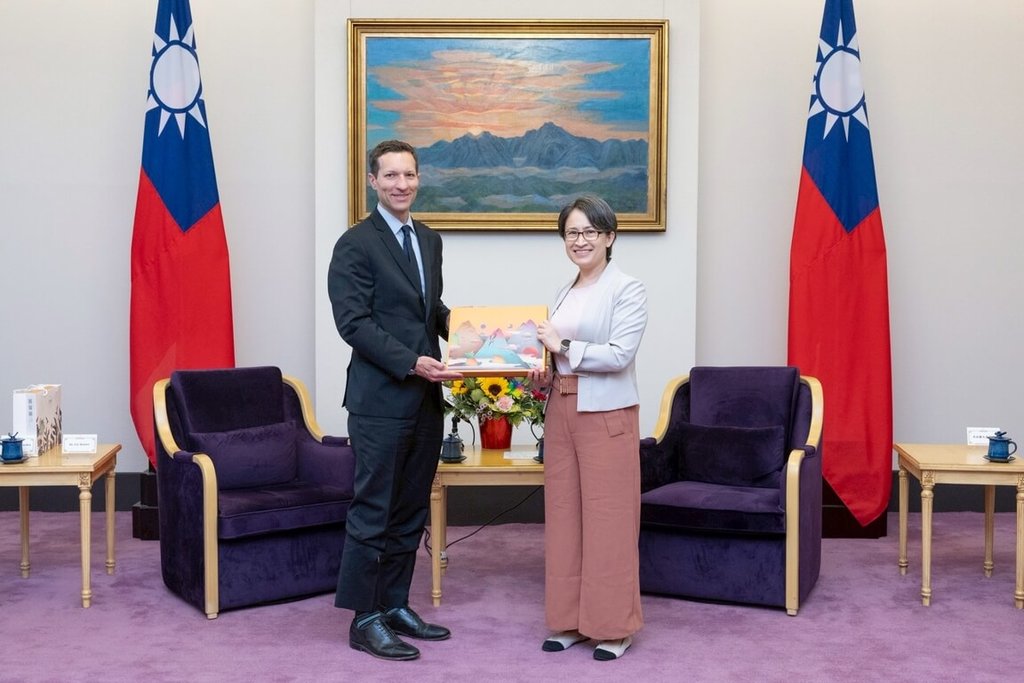
副總統蕭美琴表示,面對劇烈地緣政治挑戰,台美夥伴關係依然穩固,並強調台灣將持續強化自我防衛能力、推動軍隊現代化與不對稱戰力建構,同時發展本土國防產業與無人機供應鏈。她提到,強化國防的最終目標是嚇阻並防止衝突發生,台灣正推動多項轉型,包括延長義務役期、加強後備戰力,並聚焦於防禦性與不對稱作戰系統。蕭副總統特別指出,台灣的無人機產業在過去兩年成長顯著,政府將持續努力推動相關工作。
FACT BOX · 重點整理
- 來源:中央社 CNA
- 分類:Government Statement
常見問題
Who did Vice President Hsiao Bi-khim meet with?
She met with a delegation from the Center for a New American Security (CNAS) 'Next Generation National Security Leaders' program, led by former U.S. Assistant Secretary of Defense for Indo-Pacific Security Affairs, Ely Ratner.
What is the foundation of the Taiwan-US partnership?
The partnership is built upon the Taiwan Relations Act, covering security cooperation, economic relations, and support for Taiwan's international participation.
What is Taiwan's ultimate goal in strengthening its defense?
The ultimate goal is to deter and prevent conflict from occurring by maintaining peace through strength.
What specific defense reforms is Taiwan implementing?
Taiwan is modernizing its military, extending mandatory military service, strengthening reserve forces, decentralizing command and control, and focusing on acquiring defensive and asymmetric warfare systems.
How is Taiwan developing its domestic defense industry?
Taiwan is building its domestic defense industry by leveraging private sector innovation, with a particular focus on its drone industry, which has seen significant growth in both integrated systems and components for trusted global supply chains.