Indonesia Research Institute, Inc. (Headquarters: Shibuya-ku, Tokyo; President and CEO: Albertus Prasetyo Heru Nugroho; hereinafter “Indonesia Research Institute”) has concluded a cooperation agreement in late June 2026 with three prominent local governments in Indonesia—West Nusa Tenggara (NTB) Province, South Tangerang City, and Buton Regency—to prevent early resignation among Specified Skilled Workers. By combining the public authority and public education systems of local governments, the initiative eliminates opportunities for malicious brokers to intervene, paving the way for a new, reliable talent infrastructure that enables Japanese companies to confidently accept long-term workers.
Background: A Business Challenge for Japanese Companies—"Hired, but Quit Immediately"
Labor shortages are intensifying across all sectors in Japan, including care, construction, transportation, manufacturing, and seafood processing. As a solution, expectations for Indonesian workers under the Specified Skilled Worker program have never been higher.
However, business owners and HR managers at host companies continue to report issues such as, "After spending a significant amount on recruitment, the worker becomes unreachable within months of arrival," or "They suddenly resign after being approached by an unknown company via social media." For many companies, hiring foreign workers has become a "hit-or-miss gamble."
To address these structural challenges, Indonesia Research Institute is going beyond simple partnerships with dispatch agencies by offering Japanese companies a system that integrates the public authority and public education systems of local governments.
Structural Causes of Early Resignation—The Vicious Cycle Created by Unscrupulous Brokers
Early resignation among Indonesian international workers (PMI) is not an isolated incident but stems from systemic and structural issues.
The primary cause is the presence of malicious intermediary brokers deeply rooted in local communities. These brokers overcharge job seekers for essential Japan-bound expenses—such as training fees, document processing, and travel costs—and impose high-interest informal debts. This places constant psychological pressure on workers to seek "better-paying" or "easier" jobs.
Exploiting this vulnerability, recruitment brokers operating through social media lure recently arrived workers with promises like "higher monthly salary" or "easier work environment," encouraging them to switch jobs shortly after settling in. Each job change generates new referral fees for the sending agencies, creating a vicious cycle with no incentive for any party to stop it.
As a result, host companies repeatedly suffer recruitment cost losses, and workplaces remain chronically understaffed. Indonesia Research Institute aims to fundamentally transform this system by directly negotiating with local governments in Indonesia.
Collaboration with Three Indonesian Local Governments—Local Governments as the 'Guardians' of Talent
West Nusa Tenggara (NTB) Province—"Reverse-Calculation Interviews" from Recruitment Stage to Eliminate Mismatches
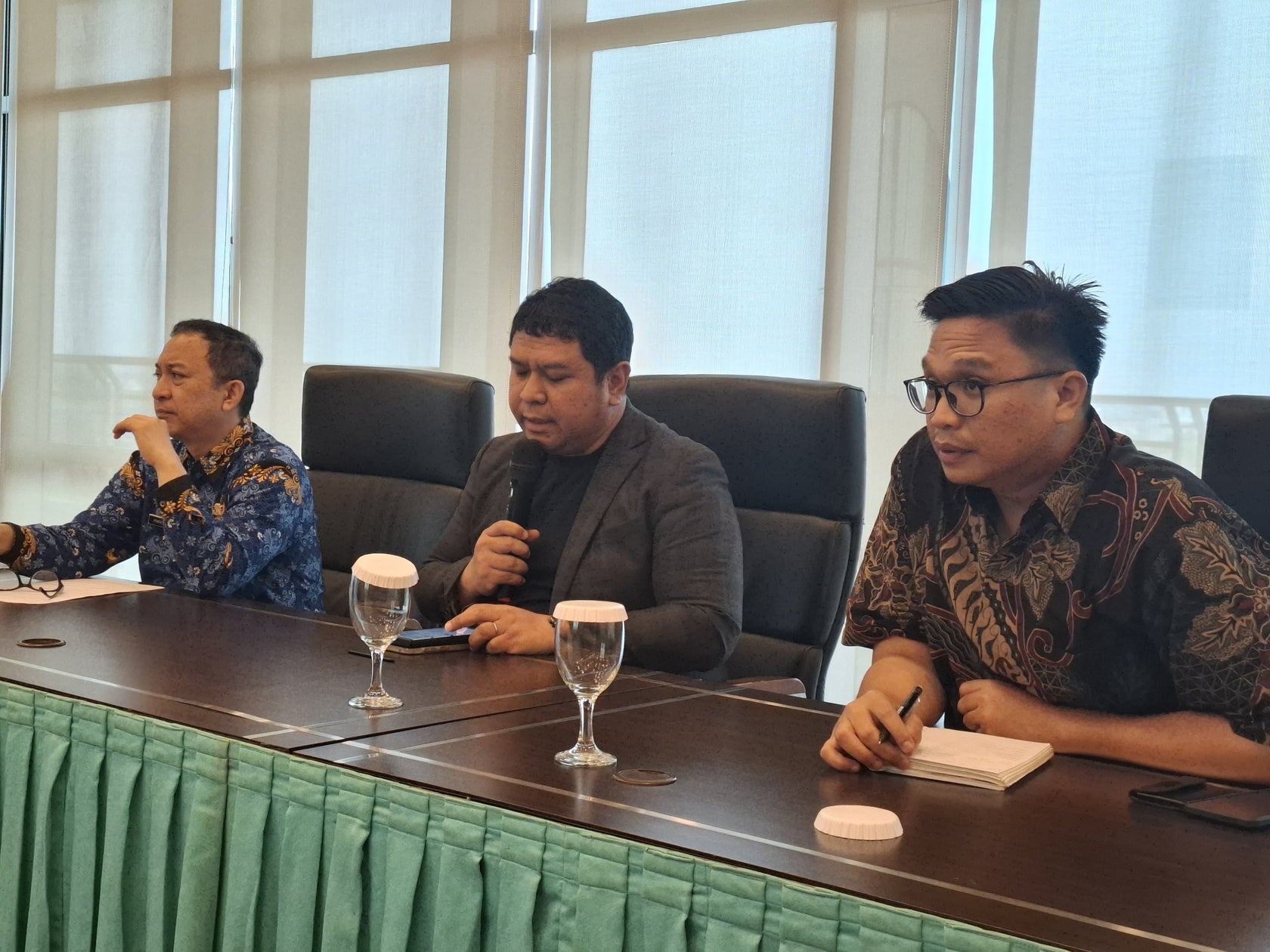
In late June 2026, Indonesia Research Institute held discussions with key department heads of the West Nusa Tenggara provincial government.
West Nusa Tenggara is one of Indonesia’s top regions for producing international workers. However, past recruitment processes often involved simply gathering local candidates for interviews, resulting in selections disconnected from the actual conditions and needs of Japanese host companies.
Under the newly agreed model, job requirements and corporate culture desired by Japanese companies will be synchronized with the province-led recruitment network from the initial stage. Local government officials will conduct pre-interview screenings of candidates’ personal qualities and career motivations. This prevents post-arrival mismatches and allows Japanese companies to focus confidently on reception preparations.
South Tangerang City—"Zero-Cost Travel" and Career Roadmaps Toward Specified Skilled Worker Level 2 and Certified Caregivers
On June 18, 2026, Buton Regency’s Vice Regent, Syarifudin Saafa, visited the headquarters of Indonesia Research Institute in Jakarta.
Buton Regency has long been known for its thriving fisheries industry, producing many young, hardworking, and physically capable individuals. Its most distinctive feature is the integration of Japanese language education into the public high school and vocational school curricula. In collaboration with SOKEN ACADEMY, which partners with Indonesia Research Institute, the following step-by-step education roadmap has been designed:
During high school: Achieve JLPT N5 / JFT-Basic A1
After graduation (in collaboration with SOKEN ACADEMY): Reach JFT-Basic A2
During LPK (vocational training institution) enrollment: Attain N3-level Japanese and industry-specific Japanese required for immediate on-site contribution
Additionally, upon arrival in Japan, workers from Buton Regency will already have mastered the following industry-specific Japanese:
- Japanese for seafood processing and fisheries
- Japanese for construction, rebar, and formwork
- Japanese for caregiving
- Japanese for logistics and transportation (drivers) (to be expanded progressively)
With conventional dispatch agencies, most workers learn Japanese only after arrival, placing a training burden on host companies. In contrast, workers from Buton Regency are assigned with practical Japanese skills already in place, simultaneously reducing training burdens and enabling rapid workforce integration.
Furthermore, discussions are underway with the Buton Regency government to establish administrative systems that continuously track the employment status of dispatched workers, discourage impulsive job changes, and enhance contributions to Japanese host companies.
FACT BOX
- Source: PR TIMES
- Category: Partnership
- Organizations: SOKEN ACADEMY