The United Kingdom has announced a new target to significantly reduce its greenhouse gas emissions by approximately 87% by the end of 2040, compared to 1990 levels. The UK believes that achieving net-zero emissions will help lower energy costs and create job opportunities, but the government has yet to produce a specific implementation roadmap.
According to Reuters, reducing carbon emissions is in line with international efforts to curb global warming. The Labour government emphasizes that developing cleaner energy can act as a protective umbrella, shielding the UK from the drastic price fluctuations of fossil fuels. The current war in Iran is exacerbating this energy price volatility.
Following the start of the war against Iran by the United States and Israel on February 28, energy exports from the Middle East have faced unprecedented disruptions, causing energy prices to surge again this year. This is another major upheaval for the international energy market, following the fossil fuel price explosion triggered by Russia's invasion of Ukraine in 2022.
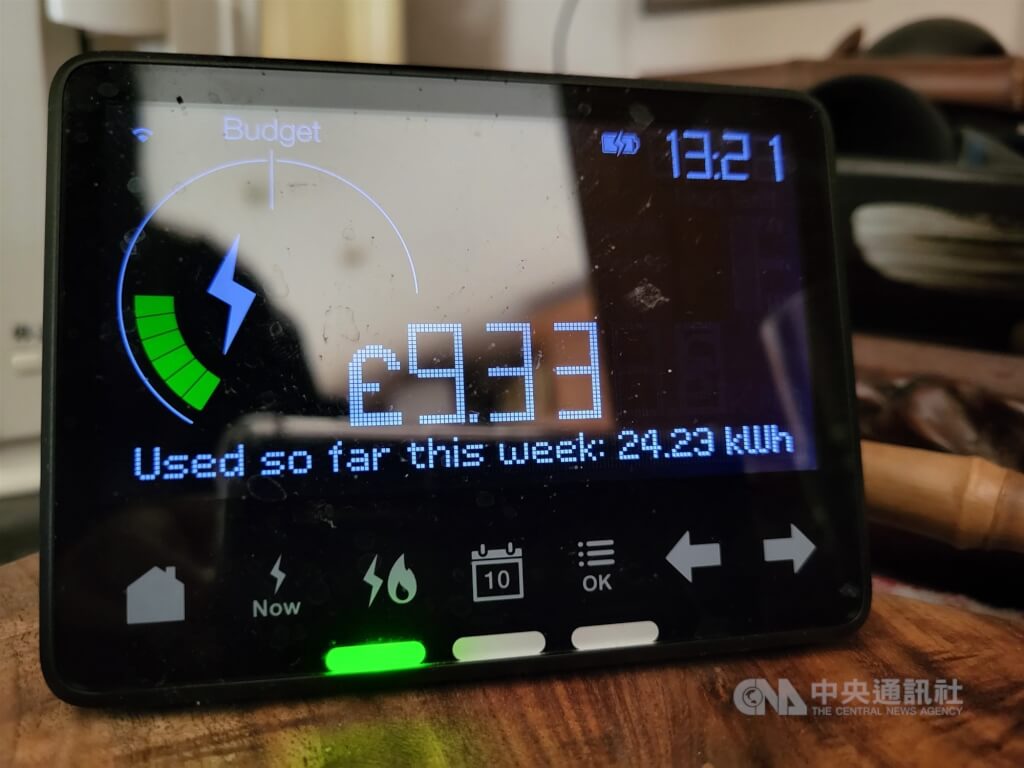
The UK's Office of Gas and Electricity Markets (Ofgem) has raised its price cap in response to soaring wholesale gas prices, and millions of UK households are expected to face a 13% surge in their energy bills starting in July.
Last year, when the UK's Climate Change Committee recommended an 87% emissions reduction, it noted that for the government to meet this target, massive investments in low-carbon technologies would be necessary, covering areas like renewable energy, heat pumps, and electric vehicles. Simultaneously, the public would need to make significant lifestyle changes, such as reducing meat consumption.
Furthermore, carbon emissions from the aviation industry must also be curtailed, which means that unless the development of more sustainable aviation fuels (SAF) can be accelerated, reliance on the public flying less will be inevitable.
In contrast to the current Labour government's almost radical carbon reduction efforts, the opposition Conservative Party withdrew its support for the 2050 net-zero target last year, stating bluntly that the goal is "simply impossible to achieve."
To date, the UK's greenhouse gas emissions have been reduced by about 54% compared to 1990 levels, with emissions in 2025 falling by 2% from the previous year. However, this reduction was primarily due to declining industrial output from the closure of blast furnaces in the steel industry, not entirely from a green energy transition.
The government insists that supporting clean electricity will bring employment benefits. The Labour government cited a report released on June 2 by the Energy and Climate Intelligence Unit (ECIU), stating that the net-zero economy supports over a million jobs in the UK.
The UK government has stated that once this 2040 emissions reduction target is approved by Parliament, it will publish a specific "emissions reduction implementation plan" as quickly as possible.
FACT BOX
- Source: CNA (Central News Agency)
- Category: 政策