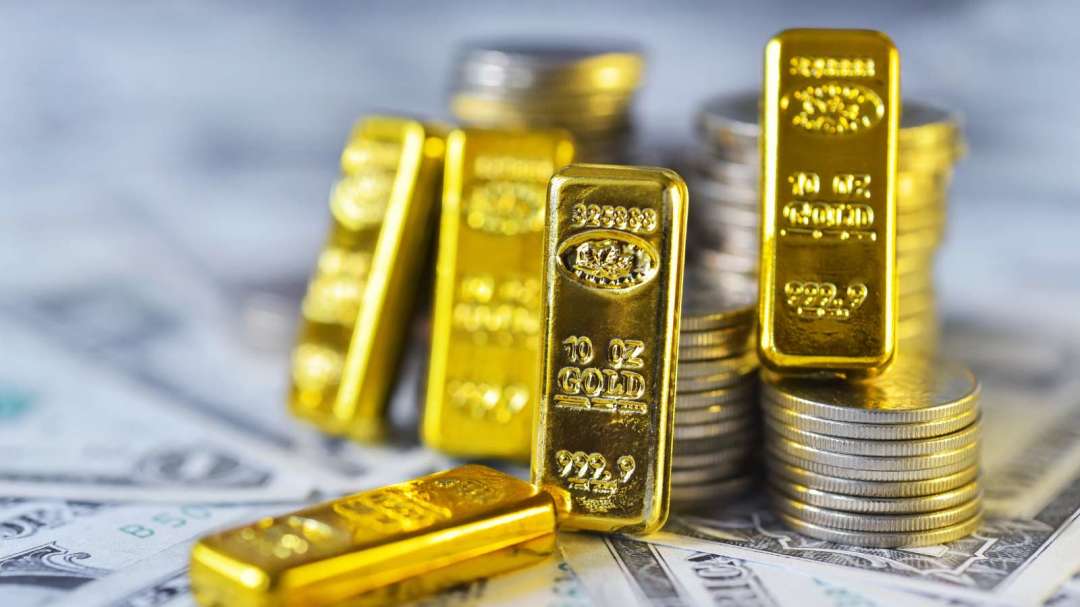
Gold prices have been on a continuous downward trend recently. Factors such as rising interest rate expectations, inflation concerns, a stronger dollar, and higher oil prices have prompted brokerages to lower their short-term price targets. Despite this, financial institutions maintain a generally bullish long-term outlook for gold.
Bank of America (BofA) announced on Tuesday (July 7) that it has revised its average gold price forecast for 2026 down by 14% to $4,360 per ounce, citing expectations of a more hawkish stance from the Federal Reserve (Fed). However, BofA also stated that once the Fed's tightening cycle concludes, gold prices could return to the $5,000 level.
BofA is not alone. JPMorgan Chase last week indicated that its gold price forecasts face downside risks due to the possibility of earlier-than-expected rate hikes by the Fed. Nevertheless, JPMorgan remains bullish on gold prices for 2027.
JPMorgan's current 2026 gold price target stands at $4,545 per ounce, with an average forecast of $4,300 in the third quarter and a slight recovery to $4,500 in the fourth quarter.
Gold prices surged in the first half of the year but have since retreated. On January 29, gold hit a record high of $5,595.47 per ounce, followed by a six-month downtrend. In June alone, gold dropped 11%, and the second quarter saw a 14.3% decline—the first negative quarterly performance since 2024 and the largest quarterly drop since Q2 2013.
Recently, Goldman Sachs and Deutsche Bank also revised down their gold price forecasts. Goldman Sachs has lowered its year-end 2024 forecast to $4,900 per ounce. Deutsche Bank cut its Q3 gold target by 20% to $4,300 per ounce and its Q4 target by 17% to $4,800 per ounce.
Spot gold closed at $4,067.39 per ounce on Wednesday. While the latest forecasts from these investment banks suggest further upside potential, the magnitude of gains is expected to be significantly smaller than in previous periods.
Deutsche Bank analyst Michael Hsueh stated, 'The repricing of Fed policy expectations, combined with strong U.S. economic performance, is the primary reason for gold's recent sustained decline.'
FACT BOX
- Source: PR Times
- Category: Survey