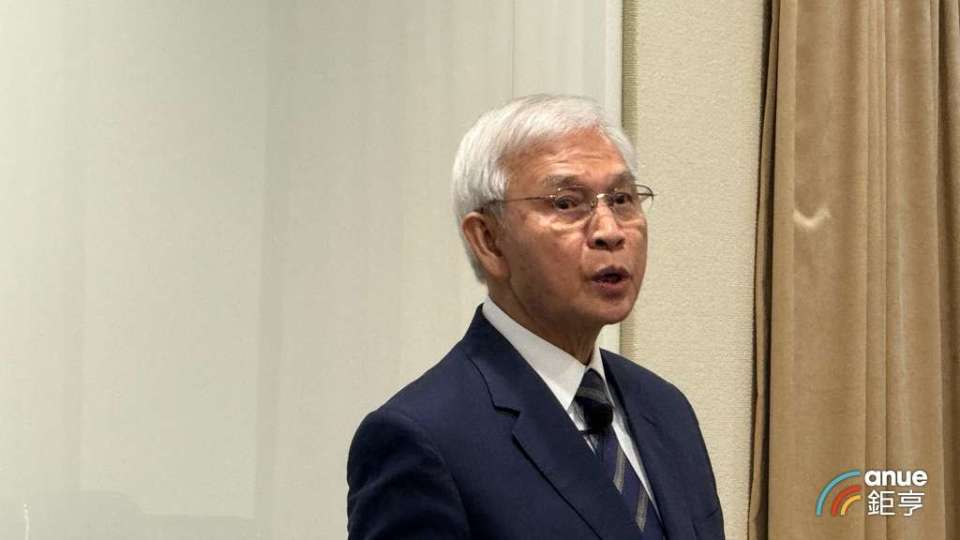
Taiwan Central Bank Governor Yang Jinlong testified before the Legislative Yuan on April 9, addressing concerns raised by legislators about potential bubble risks in AI-related stocks. Yang acknowledged these concerns, stating, "Of course, we are also worried," but emphasized that the real issue lies not in stock valuations, but in whether credit resources are expanding excessively and becoming overly concentrated.
Yang pointed out that while some AI-related stocks in the Taiwan stock market have high price-to-earnings (P/E) ratios, the central bank is more concerned about the broader credit environment. He stressed that the central bank has not clearly engaged in 'flooding the market with liquidity'—commonly referred to as 'easing'—and that the actual amount of funds flowing into the market remains limited, reflecting a relatively tight monetary stance.
He further clarified that although some interpret certificate of deposit (CD) operations as the central bank injecting over TWD 1 trillion into the market, this view fails to account for offsetting factors. These include the Ministry of Finance's tax revenues held in the central bank's accounts—amounting to TWD 600–700 billion—and the central bank's sale of over USD 12.5 billion in foreign exchange during the first quarter to stabilize the New Taiwan Dollar.
Combined, these factors effectively absorb approximately TWD 1 trillion from the market, neutralizing the liquidity injected through CD operations.
Regarding legislators' questions about whether foreign investors are using ETFs as a 'safe haven' to park funds, Yang noted that asset reallocation by foreign investors is a common investment practice. He added that taking profits is a normal part of investment strategy and that the central bank cannot force foreign investors to repatriate their funds continuously.
FACT BOX
- Source: PR Times
- Category: News