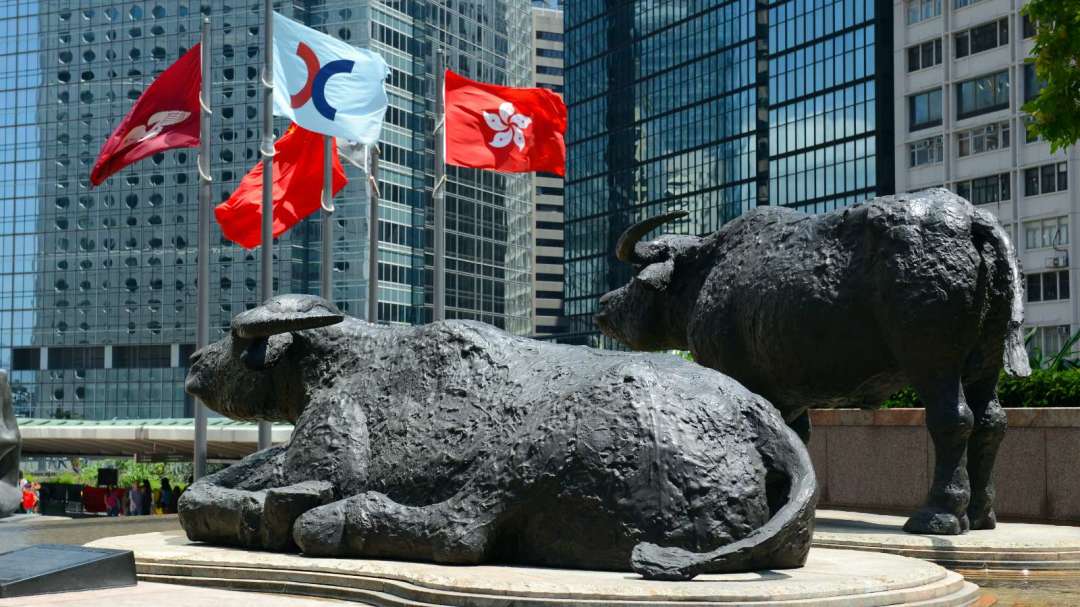
After a period of IPO frenzy, Hong Kong's stock market is now approaching its true test: a large-scale lock-up expiration. According to data from Puwen International, share unlocks in July and September 2026 will reach 300 billion HKD and 500 billion HKD respectively, triggering a silent race among investors in Central Hong Kong to see 'who exits first.'
Core Investors Rush to Lock in Profits
For many funds that actively participated in IPOs over the past year, the unlock marks the completion of their investment cycle. Several top-tier funds have revealed that returns from projects exited this year have generally reached 50–60%, with some high-performing cases nearing 80%. Given these substantial profits, many market-driven cornerstone investors view post-unlock selling as a 'natural choice,' believing that only by converting paper gains into cash can real profits be realized.
Take recent high-profile companies as examples: Zhipu (02513-HK) saw its trading volume surge to 16.9 billion HKD on the first day of its unlock on July 8, significantly exceeding normal levels. Although some state-owned shareholders declared continued holding and the stock price unexpectedly rose 13%, the market generally believes this does not signify the disappearance of selling pressure. Another AI unicorn, MiniMax, faces even greater challenges, with 63% of its shares unlocked and its stock price having fallen sharply from its March peak to 323 HKD by early July.
Hidden Risks and Exit Constraints of 'Relationship-Based' IPOs
According to Tencent Finance, Hong Kong's IPO market has recently seen many 'non-marketized projects,' where allocation slots are secured through personal connections. This leads to exit timing being influenced by non-market factors as the unlock period approaches.
For instance, some company founders privately urge funds not to exit, and certain brokers have even restricted trading during unlock windows under the guise of 'system maintenance' to stabilize stock prices. While such artificial interventions temporarily ease selling pressure, they also heighten market anxiety over liquidity.
Lack of Buyers
The key issue highlighted by reports is: who will absorb the supply? Although southbound funds via the Stock Connect have set inflow records, they have clearly cooled since 2026, with May even seeing net outflows. Meanwhile, overseas investors remain cautious in allocating to Hong Kong stocks, focusing their Asian investments primarily on South Korea, Japan, and Taiwan's AI supply chains (e.g., TSMC, SK Hynix).
Market analysts believe that a large-scale return of foreign capital to Hong Kong will require clear signals such as GDP rebound, consumer recovery, and a bottoming out of the real estate market. Without new external capital, Hong Kong's market is currently in a 'pond water boiling pond fish' state, with funds merely rotating among different stocks. If liquidity suddenly dries up during the peak unlock period, the market could face even more severe volatility.
FACT BOX
- Source: PR Times
- Category: News
- Organizations: MiniMax