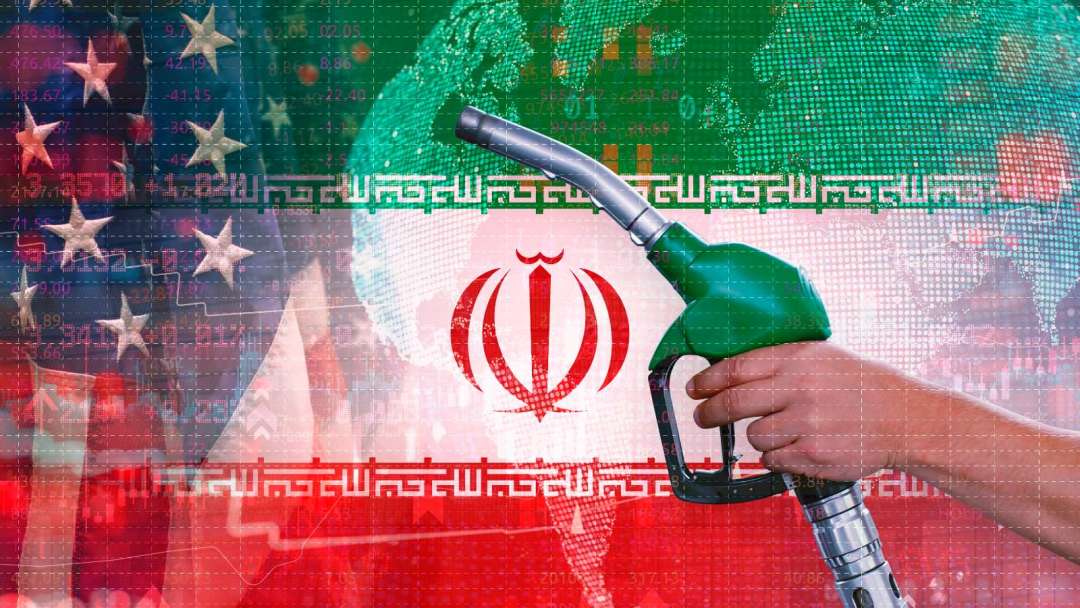
According to a US official, talks between the United States and Iran continue for a permanent peace agreement, despite two days of conflict that nearly broke an already fragile ceasefire.
The official confirmed on Thursday (9th) that 'technical negotiations' are underway, emphasizing that the US remains committed to pursuing a diplomatic resolution. This statement has somewhat eased concerns about a full-scale war between the two nations.
On Wednesday, US forces launched large-scale airstrikes on Iranian military targets, hitting approximately 90 sites, in retaliation for Iran's attacks on ships in the Strait of Hormuz. Iran responded by attacking US bases in Kuwait and Bahrain.
These clashes highlight the extreme fragility of the interim agreement signed in mid-June. Since US-Israeli coalition forces bombed Iran in February, the two countries have been in a state of war. Qatar and Pakistan are currently serving as primary mediators, aiming to reach a permanent peace deal by mid-August, though the process may face delays.
Negotiation progress has been slowed by Iran's internal political situation. Iran's former Supreme Leader, Ali Khamenei, was killed in an airstrike on the first day of the conflict, and his funeral was held on Thursday. However, his successor, Mojtaba Khamenei, has not yet appeared publicly, raising questions about his health and whether he will participate in the negotiations.
Additionally, while President Trump has suggested that the ceasefire may have 'ended,' he has stated he will not block the continuation of talks. Facing pressure from the November midterm elections and domestic opposition to war, Trump has shown a willingness to end the conflict.
One of the core obstacles in the current negotiations is control over the Strait of Hormuz. Iran insists that ships must obtain its permission to pass and may impose fees, while the US and multiple other countries insist the waterway must remain freely navigable. Furthermore, the US demands that Iran make concessions on its nuclear program, including freezing uranium enrichment activities and surrendering existing stockpiles.
Due to the volatile situation, Brent crude oil prices have risen over 6% this week, reaching $76.50 per barrel.
FACT BOX
- Source: PR Times
- Category: News