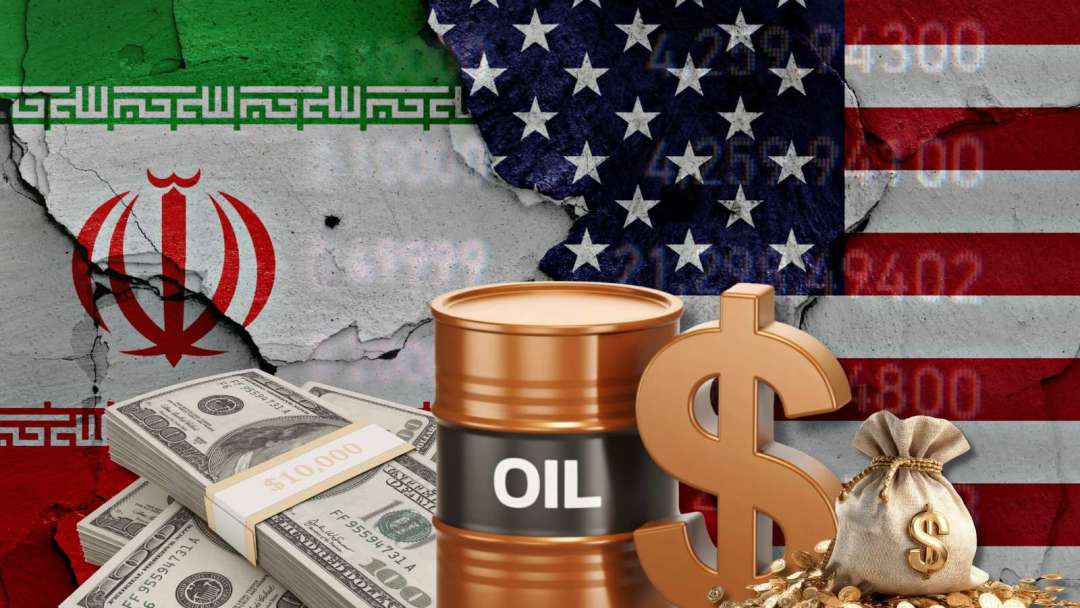
As U.S.-Iran military conflict intensifies, international crude oil markets surged recently, with Brent futures breaking the $90 per barrel mark. On Monday (20), Asian morning trading saw prices rise approximately 3%, capping a 16% weekly gain. West Texas Intermediate (WTI) crude also rose in tandem, holding near $84 per barrel.
Geopolitical tensions and concerns over energy supply chain disruptions have led to diverging performances in major global stock markets, while fuel prices in multiple countries continue to face upward pressure.
The core driver behind this oil price rally is the crisis in the Strait of Hormuz, a critical Middle Eastern chokepoint. In recent days, military confrontations between U.S. forces and Iran in Jordan and Iraq have escalated, resulting in the deaths of at least three American personnel. The U.S. has responded by deploying additional fighter jets and expanding its strike operations, significantly reducing maritime traffic through the strait. Damage to infrastructure in Kuwait and other nations has deepened market anxiety over the safety of oil shipments.
Although market impacts were partially mitigated in late February through pipeline rerouting and inventory drawdowns, these buffers are now nearly exhausted. OECD commercial oil inventories have fallen to historic lows.
Capital Economics' latest report warns that if the Strait of Hormuz remains closed long-term, Brent crude prices could soar to $150 per barrel. European natural gas prices could surge from €54 to €90. Such extreme oil prices would reignite global inflation, pushing U.S. inflation near 5%, slowing economic growth below 1% in the second half of the year. The eurozone would face stagnation with inflation peaking above 6%, the UK could see inflation rise to 7% and approach recession, and India's GDP growth might drop from 6.5% to 5.5%.
Under these conditions, central banks may be forced to hike interest rates, with year-end policy rates in the U.S., Europe, and the UK projected at 4.63%, 3.25%, and 4.75% respectively. The global economy now confronts a significant stagflation challenge.
FACT BOX
- Source: PR Times
- Category: News