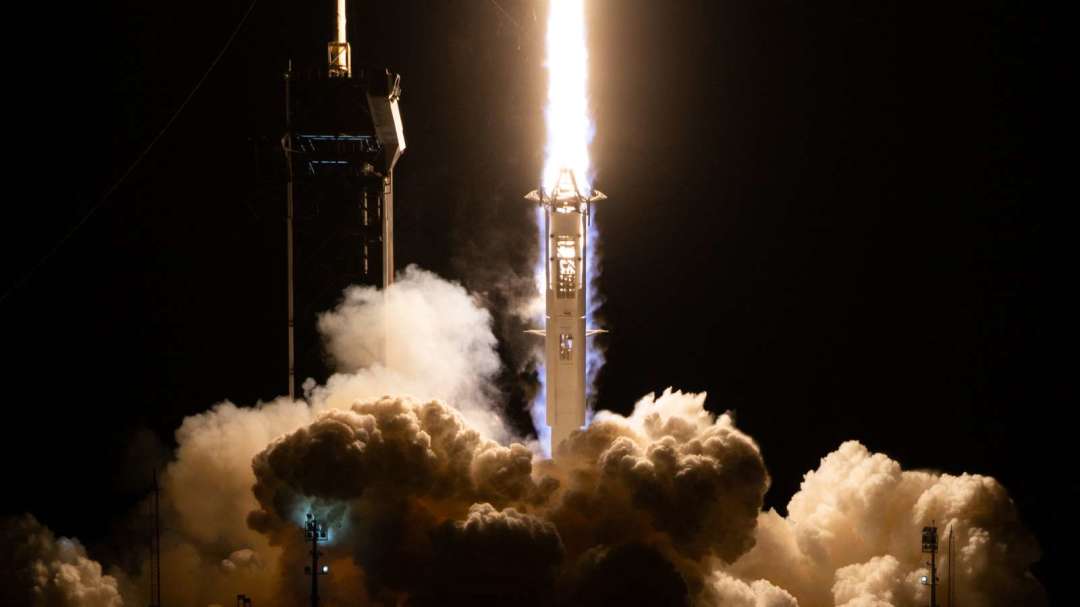
SpaceX (SPCX-US) has announced it will release its second-quarter 2026 financial results after market close on August 4, Eastern Time, followed by an investor conference call at 4:30 PM ET the same day. This will be the company's first financial report since completing its initial public offering (IPO) in June 2026, and it will not only determine market assessment of its operational strength but also trigger the largest insider stock unlock in history, making it a focal point for Wall Street.
SpaceX completed a $75 billion IPO on June 12, 2026, marking one of the largest listings in aerospace history. However, the float at listing was less than 5% of total shares outstanding, resulting in extremely limited liquidity. This caused the stock to surge to a record high of $225 shortly after listing, but it quickly retreated. By mid-July, it had fallen below the IPO price of $135 and is currently trading around $119.85.
According to SpaceX's announced phased stock lock-up arrangement, two trading days after the first earnings release, approximately 20% of eligible insider and employee shares—about 911.5 million shares—will be unlocked unconditionally. At current prices, the unlocked market value is approximately $109.2 billion, about 1.45 times the IPO fundraising amount, representing a massive new supply for the market.
The unlock plan is divided into multiple stages. The first stage will take effect two trading days after the Q2 earnings release, releasing about 20% of insider-held shares.
Additionally, SpaceX has established a price-conditioned unlock mechanism: if the stock price remains above $175.5 for five out of the ten trading days prior to the earnings release, an additional 455.8 million shares (about 10% of eligible shares) can be unlocked. However, since the current price is far below this threshold, this portion will not be released at this time.
Starting 70 days after listing, the company will enter a rolling unlock phase, with approximately 7% (about 320 million shares) released every 15 to 20 days beginning in late August, until four subsequent batches are completed by the end of 2026.
Shares held by founder Elon Musk and other core executives remain subject to a full one-year lock-up period and are not expected to be sellable until June 12, 2027.
Beyond the unlock effect, the market is closely watching whether SpaceX's first public financial report can demonstrate that its high valuation is supported by fundamentals. Analysts expect the earnings to focus on four key areas.
First is the Starlink satellite internet business. Starlink has become SpaceX's largest commercial revenue source, and the market will monitor new subscriber growth, average revenue per user (ARPU), and gross margin improvements to verify whether economies of scale are beginning to take effect.
Second is the Falcon 9 rocket launch business and the Starship program. Investors will assess whether Falcon 9's continued high-frequency commercial launches maintain stable profitability and evaluate the capital expenditure scale associated with ongoing Starship testing and deployment.
Third is AI infrastructure development. As xAI integrates into the SpaceX ecosystem, the market will scrutinize capital expenditures related to AI data centers, supercomputing, and satellite-based computing power to understand whether the company is accelerating investment in AI infrastructure.
Fourth is the full-year financial outlook and cash flow. Given SpaceX's relatively high market valuation, Wall Street will particularly focus on whether management provides clear revenue growth targets and a timeline for establishing stable free cash flow to support long-term valuation.
The market is also closely tracking Starlink's global expansion progress. Public data shows that Starlink currently serves over 140 countries and regions, with user numbers steadily increasing and ongoing expansion into enterprise, aviation, and government markets. Meanwhile, SpaceX continues to maintain the world's most frequent commercial rocket launch cadence in 2026, with Falcon 9 still dominating the global commercial launch market, while Starship testing continues to advance, forming a critical foundation for future deep-space transportation and satellite deployment.
Market participants believe the August 4 earnings report will be SpaceX's most important test since going public. If the company delivers better-than-expected operational results, demonstrates continued improvement in Starlink profitability, and provides an optimistic growth outlook, new buying demand may absorb the over $100 billion in unlock-related selling pressure. Conversely, if the earnings fall short of market expectations, the stock could face prolonged downward pressure amid the massive new supply of shares.
FACT BOX
- Source: PR Times
- Category: News
- Products / services: Starlink / Falcon 9