Asian stock markets rose Tuesday, driven by a rebound in technology shares, ending a multi-day losing streak. South Korea's Kospi index surged over 4%, briefly triggering a circuit breaker, while Japan's Nikkei 225 climbed 1,700 points. However, investors are bracing for a wave of corporate earnings to assess whether the artificial intelligence (AI) trade can sustain its momentum.
The MSCI Asia Pacific ex-Japan index rose 0.25% on Tuesday, ending a three-day losing streak. South Korea's KOSPI index expanded gains to over 4%, and was up 3.86% at 6,768.11 points at press time. Japan's Nikkei 225 index rose 2.56%, or 1,651 points, closing at 65,792.64 points.
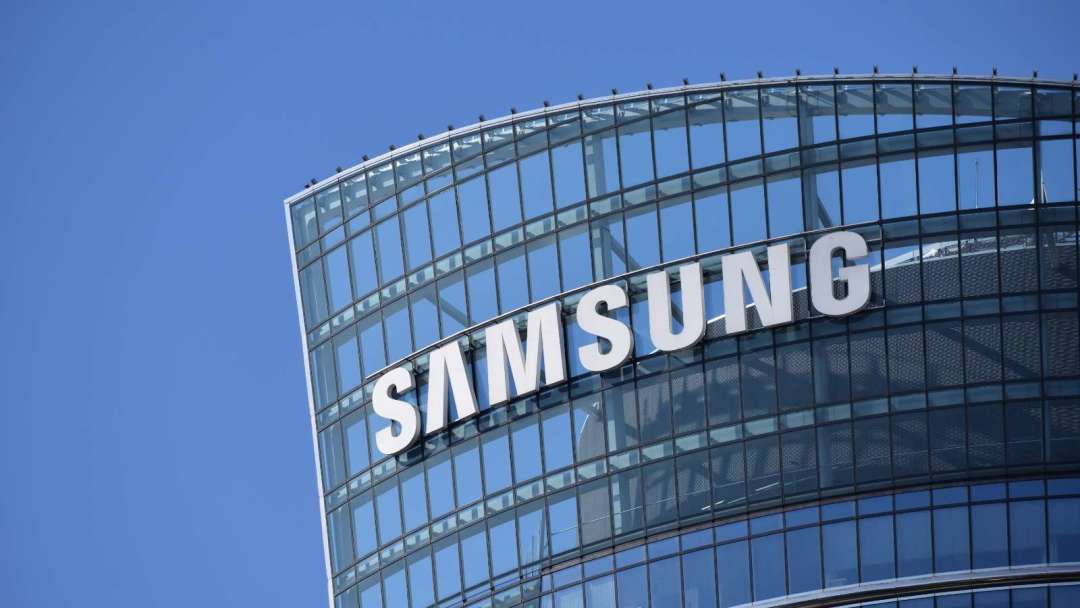
In the chip sector, Samsung Electronics rose 6% during the session, while Japan's Kioxia (Kioxia) surged 15%. However, SK Hynix fell 1.86%.
U.S. stock futures edged higher, with Nasdaq 100 futures briefly expanding gains to 1%.
Alphabet and Intel Earnings to Test AI Momentum
In recent weeks, global stock markets have been highly volatile, led by sharp declines in chip stocks, reflecting investor concerns over overvalued AI概念股, slowing profit growth, and whether massive investments in AI infrastructure will yield tangible returns.
This week, market focus shifts to corporate earnings, including tech giants Alphabet (GOOGL-US) and Intel (INTC-US). Next week, Microsoft (MSFT-US), Meta (META-US), Apple (APPL-US), and Amazon (AMZN-US) will follow. Investors hope to assess the impact of Middle East conflicts on corporate operations and whether AI概念股 still have room to rise, given already high second-quarter profit expectations.
In recent weeks, Asian chip leaders Samsung Electronics and TSMC (TSM-US) (2330-TW) reported strong earnings, but these were insufficient to meet sky-high investor expectations, highlighting the challenges currently facing the AI industry.
Stephen Innes, market strategist at SPI Asset Management, warned that this rebound does not appear to stem from clear improvements in AI fundamentals. He said: "Upcoming earnings from large tech companies must prove that AI-driven revenue, profitability, and cash flow can justify the massive investments in AI infrastructure."
Fred Neumann, HSBC's chief Asia economist, said: "Demand for AI hardware remains extremely strong, with companies struggling to keep up with supply. But investor profit expectations are rising, meaning even minor downgrades in outlook could trigger sharp stock price volatility."
He added: "The broader economic environment is becoming more difficult, with rising energy prices and higher interest rates complicating the outlook. This shows that even the AI hardware sector is not immune to macroeconomic headwinds."
Oil Prices Retreat
Meanwhile, hopes for a ceasefire in the Middle East pushed oil prices lower on Tuesday from a one-month high. A senior Iranian official told Reuters on Monday that Tehran had received a 10-day ceasefire proposal from mediators, aiming to pave the way for a permanent ceasefire agreement to end the conflict that began on February 28.
At press time, Brent crude futures were down 0.64% at $88.65 per barrel, after hitting $91.42 the previous day—the highest level since mid-June.
Nick Twidale, chief market strategist at ATFX Global, said: "Markets are in a rather strange state. Investors remain inclined to be optimistic because similar situations occurred a few months ago, and they expect the same outcome."
However, he warned that markets are increasingly worried that the conflict could spiral out of control and spread across the Middle East. "I believe that just one new catalyst could instantly reverse market sentiment, after which the situation could deteriorate rapidly," he said.
FACT BOX
- Source: PR Times
- Category: News
- Organizations: Samsung Electronics / Kioxia / SK Hynix