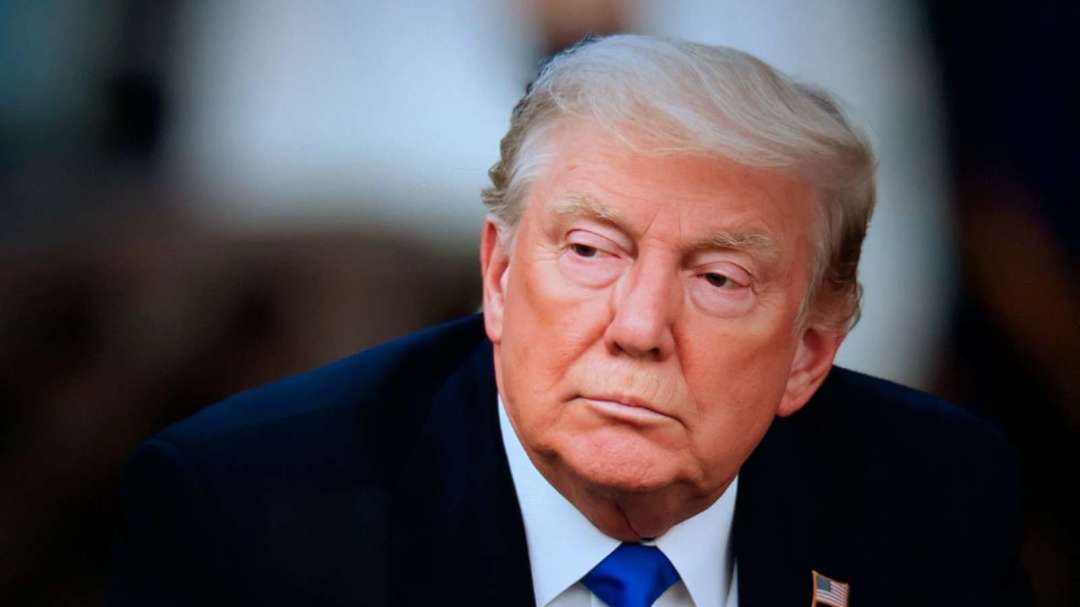
Former US President Trump announced a new tariff policy on generic drugs, stating that all generic drugs imported into the United States will remain tariff-free starting August 1 for a period of two years, after which tariffs will rise to 100% for one year and then further increase to 200%. Trump emphasized that the goal of this measure is to encourage global pharmaceutical companies to relocate their generic drug production lines back to the United States, thereby strengthening the domestic pharmaceutical supply chain and manufacturing capabilities.
Trump stated on Truth Social that the government is providing a two-year grace period to allow companies sufficient time to build factories and acquire production equipment in the United States. Companies that fail to complete their investments within the deadline will face high tariffs in the future. He said this policy is designed to bring generic drug manufacturing back to the US and will impose penalties on companies that do not follow through with plans to establish manufacturing facilities.
According to data from the US Food and Drug Administration (FDA), over 90% of prescription drugs currently sold in the US are generic drugs, and the country has long relied heavily on overseas supply chains, particularly active pharmaceutical ingredients and manufacturing capacity in Asia. As such, any adjustment in tariffs could have a significant impact on the structure of the supply chain.
Trump emphasized that this new measure applies only to generic drugs, while existing policies for patented drugs, branded drugs, and innovative medicines will remain unchanged. In fact, the Trump administration signed an executive order in April this year imposing a 100% tariff on imported branded drugs unless pharmaceutical companies agree to price negotiation agreements with the US government or commit to relocating production back to the US, otherwise facing high tax burdens.
Recently, Trump has continued to pressure multinational pharmaceutical companies through the 'Most Favored Nation' drug pricing policy, aiming to align the prices US patients pay with those in other high-income countries to reduce healthcare costs. He believes pharmaceutical companies should simultaneously lower drug prices and increase domestic investment in the US, rather than continuing to rely on overseas production.
Notably, last year, several major global pharmaceutical companies reached agreements with the US government, securing tariff exemptions for billions of dollars worth of branded drug products. However, small and medium-sized pharmaceutical companies that fail to meet government requirements or do not submit plans to establish US manufacturing facilities may still face significant tariff pressure.
Market analysts point out that Trump’s announcement of the generic drug tariff timeline signals a further escalation of his drug manufacturing reshoring policy. Given the US’s heavy reliance on overseas generic drug supplies, companies face substantial time and capital expenditure challenges in completing new factory construction, equipment installation, and regulatory certification within two years. This could also impact the global generic drug supply chain and the future trajectory of drug prices in the US.
FACT BOX
- Source: PR Times
- Category: News