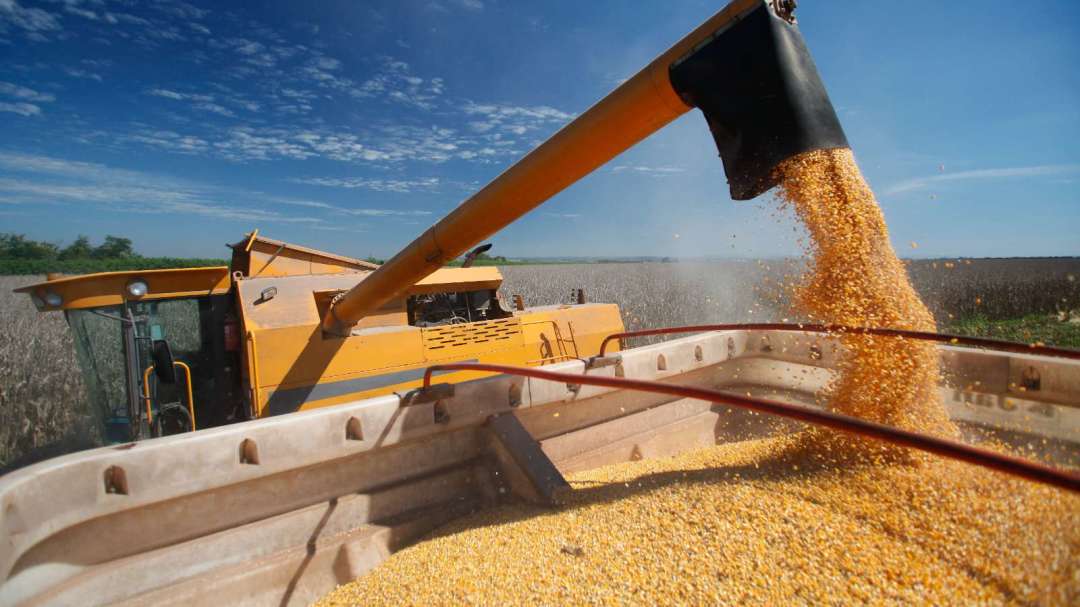
According to the latest analysis by the Energy & Climate Intelligence Unit (ECIU), the extreme heatwave that swept across Europe in June 2026 has led to an estimated reduction of 9 to 10 million tons in grain production, with economic losses reaching up to €2.1 billion. Scientists describe this unprecedented heat as 'almost impossible 50 years ago,' and it is now posing a severe threat to European farmers' livelihoods and food security.
Hardest-Hit Regions: France and Hungary Suffer Deepest Losses
Among the affected countries, France has suffered the most severe losses. Grain production is projected to decline by approximately 4.1 million tons, with economic damages amounting to €891 million. Corn production accounts for the majority of the losses, with yields expected to fall below levels seen during the extreme drought of 2022.
Hungary ranks second in terms of impact, with an estimated 2.4 million tons of production lost and economic damages of around €444 million. Spain and Germany face production losses of approximately €276 million and €233 million, respectively.
Although countries like Bulgaria and Romania have seen upward revisions in harvest forecasts that partially offset the deficits, the net loss in expected production value across Europe still ranges between €1.8 billion and €2.3 billion.
Critical Growth Stages Hit by Extreme Heat
The timing of the heatwave was particularly detrimental to crop development. Wheat and barley were in the critical grain-filling stage, while corn was undergoing pollination. Extreme heat directly suppressed plants' pollination capacity and nutrient accumulation.
French farmer Benoît Merlo stated that despite dedicating the past decade to enhancing his farm's climate resilience, all efforts proved largely ineffective under weeks of consecutive temperatures exceeding 38°C. Some crops are expected to see yield reductions of 50% to 70%.
Cascading Effects: From Poultry to Food Security
Beyond grains, the heatwave has severely impacted other agricultural sectors. In France, tens of thousands of poultry died due to high temperatures, and vegetable crops were damaged by insufficient soil moisture, leading to shortages such as onions. Experts warn that reduced grain output will increase Europe's reliance on imports and drive up feed costs, with pressures eventually transmitted to livestock farming and global commodity prices.
Scientists have clearly identified climate change as the cause of this 'record-breaking' heatwave. Tom Lancaster, ECIU's land analyst, emphasized that unless emissions are reduced to net zero, such losses are merely a preview of future impacts.
Additionally, the disaster has sparked criticism of the 'Common Agricultural Policy' (CAP) of the European Union. Experts point out that current subsidies fail to effectively support farmers in adapting to climate risks and instead fund production methods that exacerbate the climate crisis, creating a costly and unsustainable vicious cycle.
FACT BOX
- Source: PR Times
- Category: Survey