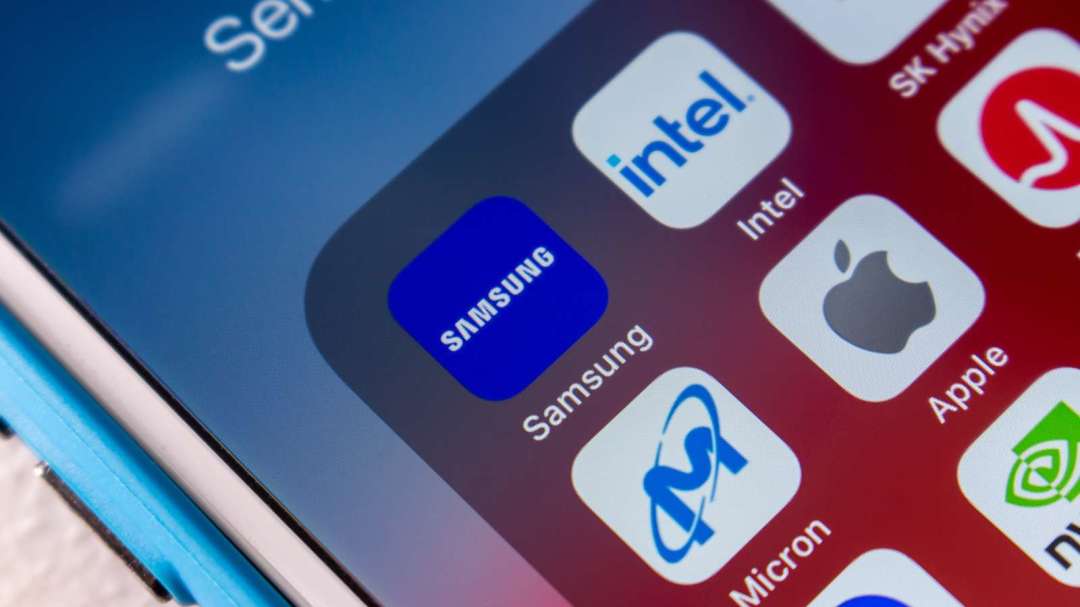
As the sixth-generation high-bandwidth memory, HBM4 will be used in NVIDIA's AI accelerator chips such as Vera Rubin, launching in the second half of this year, serving as a key driver for corporate performance. Currently, the three global memory chip giants—Samsung Electronics, SK Hynix, and Micron Technology—have fully launched yield competition for HBM4.
Samsung has taken the lead in achieving mass production of HBM4, with industry estimates suggesting its yield is approaching 70%. This improvement is driven by the stable yield of over 80% achieved earlier this year in its 1C-process DRAM, significantly enhancing its yield management capabilities.
Although SK Hynix has not disclosed exact figures, industry analysts believe it has already entered a stable production phase. To maintain its majority share in the HBM market, the company is negotiating to introduce new equipment to optimize manufacturing processes and expand capacity.
Micron, with a relatively weaker production base, is accelerating yield ramp-up and large-scale equipment investment to simultaneously boost output capacity.
Yield directly determines delivery volume and profit margins, making it the core battleground for manufacturers.
Although general-purpose DRAM briefly surpassed HBM in short-term profitability, its pricing potential has plateaued. Prices rose nearly 100% in Q1, 30%–50% in Q2, and are projected to grow only 0%–20% in Q3. In contrast, HBM demand continues to expand, and its high-margin advantage is expected to regain dominance.
Industry insiders note that Samsung’s early mass production has already reflected in its Q2 financials, with increased supply and profits driven by improved yields. This trend will continue in the second half, intensifying the yield race among the world’s top three memory makers.
FACT BOX
- Source: PR Times
- Category: New Product
- Products / services: HBM4 / DRAM