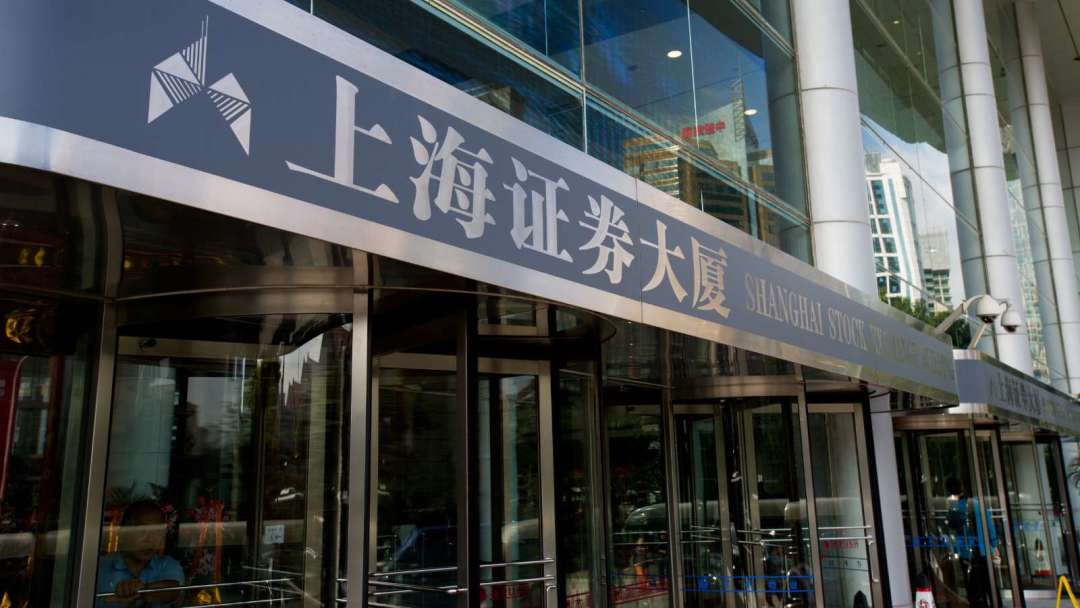
China's A-share market indices opened lower on February 22 (Wednesday), with early divergence. The Shanghai Composite Index quickly rebounded and traded in a strong consolidation, while the ChiNext Index remained weak in a narrow range. In the afternoon, both markets turned downward, with the ChiNext Index's decline widening.
On February 22, the Shanghai Composite Index closed up 0.07% at 3,867.03 points; the Shenzhen Component Index fell 1.42% to 14,061.44 points; the ChiNext Index dropped 3.23% to 3,566.73 points.
Total trading volume on the Shanghai and Shenzhen markets amounted to RMB 2.6533 trillion, down RMB 303.8 billion from the previous trading day.
Dongwu Securities noted that ongoing Middle East geopolitical conflicts and the continued escalation of the Strait of Hormuz blockade have increased uncertainty in regional energy supply chains. Brent crude oil prices have surged nearly 20% from recent lows, raising market concerns that energy prices could reignite global inflation, reinforcing central banks' tightening stances and systematically lowering global risk appetite.
Although external market volatility remains high, A-shares have shown resilience in terms of capital flows. If no further 'black swan' events occur overseas, the market may see a rebound in the short term. However, in the medium term, it will remain significantly affected by overseas fluctuations and may require more time to stabilize.
Central China Securities stated that given the significant decline in A-share tech stocks following overseas markets and the fact that A-share leverage pressure is far lower than in the Korean market, the marginal impact of overseas volatility on A-shares will gradually diminish. The Shanghai Index is likely to continue fluctuating with upward momentum, and investors should closely monitor macroeconomic data, overseas liquidity changes, and policy developments.
FACT BOX
- Source: PR Times
- Category: News