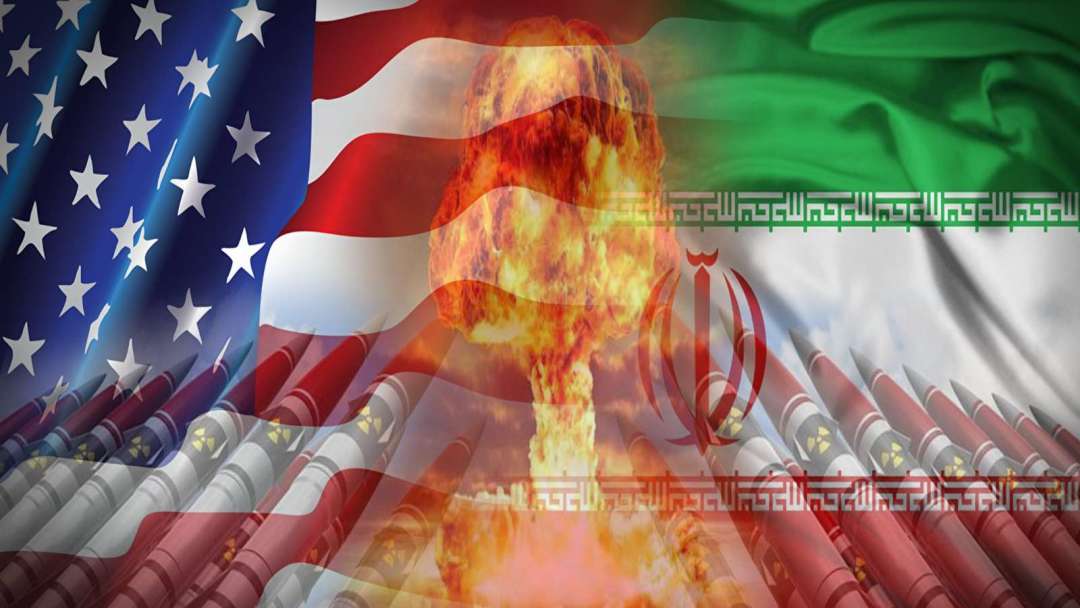
The United States Central Command (CENTCOM) announced that U.S. forces have completed another round of airstrikes on Iran, marking the 13th consecutive night of military strikes against the country. The operation lasted over two hours and targeted multiple Iranian military facilities, signaling that U.S.-Iran tensions continue to escalate and regional security is deteriorating.
CENTCOM stated that the targets included Iranian military command centers, drone storage facilities, communication networks, coastal surveillance outposts, and maritime operational capabilities. The aim is to further weaken Iran’s ability to threaten commercial and civilian vessels transiting the Strait of Hormuz.
As U.S. airstrikes continue, tensions in the Middle East are rising. The Houthi armed group in Yemen recently attacked two Saudi Arabian oil tankers in the Red Sea, spreading the conflict from the Strait of Hormuz to the Bab el-Mandeb Strait. With both of these critical global energy shipping chokepoints under threat, international oil prices have surged past $100 per barrel, raising concerns about further disruptions to global crude supply.
President Trump subsequently warned that the U.S. would impose "major military punishment" on Iran and its allied Houthi forces. He also stated that if Iran continues to threaten international shipping, the U.S. would not rule out further escalation of military actions.
Currently, Tehran has announced a blockade of the Strait of Hormuz, effectively halting the world’s most vital crude oil shipping route. Since the U.S. and Israel launched military operations against Iran on February 28, Iran has retaliated by targeting Israel and U.S. military bases in Gulf states, turning the conflict into a regional war.
The conflict continues to expand. In addition to U.S.-Israeli coalition airstrikes on Iran, Israel is also conducting military operations against targets in Lebanon. Multiple international media outlets report that months of sustained conflict have resulted in thousands of deaths and displaced millions, worsening the humanitarian crisis.
Trump has recently warned that the U.S. may not rule out attacking Iranian energy infrastructure and key bridges to further pressure Tehran. Iran has responded firmly, stating that if the U.S. takes such action, it will retaliate by targeting regional oil, gas, electricity, and other economic infrastructure, potentially expanding the scope of the conflict.
UN Secretary-General António Guterres has warned that the Middle East crisis is "spiraling out of control" and has called for an immediate de-escalation to prevent an irreversible, full-scale war.
Additionally, several international law experts have pointed out that under the 1949 Geneva Conventions, critical infrastructure essential for civilian survival should not be military targets. Deliberate attacks on such facilities may constitute violations of international humanitarian law and even war crimes, meaning that future military actions will remain under intense international scrutiny.
FACT BOX
- Source: PR Times
- Category: News