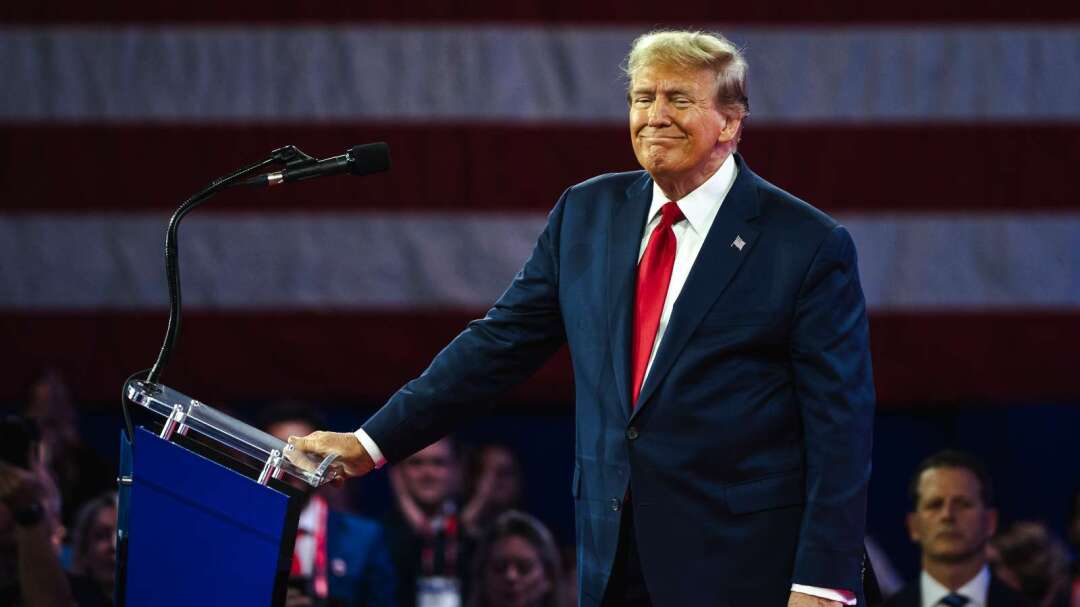
Multiple foreign media outlets reported that the United States and Iran continued to suspend military operations on Monday (27th), driving a sharp decline in international oil prices. U.S. President Trump said that diplomatic talks are underway between the U.S. and Iran, with a 'high chance' of reaching an agreement, while also retaining the option to resume strong military action if diplomacy fails. At the same time, Trump insisted that the U.S. military has sufficient weapons and ammunition stockpiles to support a prolonged war.
The U.S. military has not launched attacks on Iran for three consecutive days, and Tehran has also ceased attacks on countries such as Kuwait, Bahrain, and Jordan. The mutual restraint has reversed the recent escalation of military conflict, preserving space for diplomatic mediation between the U.S. and Iran. Iran has not attacked regional targets in recent days, maintaining a de facto state of restraint on both sides.
After the U.S. and Iran halted mutual attacks, international oil prices plummeted over 7% early Monday, and U.S. stocks opened higher. However, as trading progressed, the gains in major indices gradually narrowed.
Trump said aboard Air Force One on Monday that the U.S. military's previous intense attacks were the main reason Iran was willing to engage. He believes the chances of reaching an agreement are 'very high,' but if diplomatic efforts fail, the U.S. is prepared to resume strong military action.
However, during the conflict, Trump has repeatedly claimed progress in negotiations and that both sides are close to an agreement, only for hostilities to continue. It remains unclear whether there are substantive negotiations currently taking place between the U.S. and Iran.
Iranian Foreign Ministry spokesperson Esmail Baghaei denied that Tehran had proactively requested a resumption of talks, calling such reports 'untrue.' He said that while the U.S. and Iran may exchange messages through intermediaries, there are currently no direct or formal negotiations.
A senior Iranian official said Tehran would also halt retaliatory actions as long as the U.S. maintains its pause in attacks. This means that although no formal ceasefire agreement has been signed, both sides are effectively avoiding an immediate escalation of hostilities through mutual restraint.
Moreover, the U.S. sudden halt to nearly two weeks of airstrikes has raised concerns about whether military operations have approached the limits of their effectiveness.
Trump denied on Monday that the U.S. lacks ammunition, emphasizing that the U.S. military has large quantities of various types of weapons. However, he acknowledged the desire to replenish more advanced equipment.
Trump attributed part of the declining stockpiles to the previous Biden administration's military aid to Ukraine and said the U.S. is accelerating production of advanced weapons such as Patriot missiles.
Reports indicate that U.S. military stockpiles of high-altitude interceptors and air-launched munitions continue to deplete, becoming one of the factors the White House considers when assessing whether to expand military operations. General Dan Caine, Chairman of the U.S. Joint Chiefs of Staff, told Trump that the U.S. military still has the capability to resume attacks, but further actions could further compress critical weapons stockpiles.
General Brad Cooper, the top U.S. military commander for the Middle East, is also reported to believe that the additional gains from continued airstrikes are now extremely limited.
Deutsche Bank analysts pointed out that the main market risks remain concentrated in energy and shipping. Traffic through the Strait of Hormuz has not yet resumed, and conflicts in the Red Sea continue to expand, meaning both critical export routes could be simultaneously disrupted. While the U.S. and Iran pausing major offensives is a positive development, regional conflicts have not ended, and the current de-escalation remains fragile.
Israeli Prime Minister Netanyahu is scheduled to meet with Trump in Washington on Tuesday, with Iran's nuclear program expected to be a key agenda item. Netanyahu will urge the U.S. to continue monitoring Tehran's nuclear activities to prevent Iran from advancing its programs during the military pause.
FACT BOX
- Source: PR Times
- Category: News