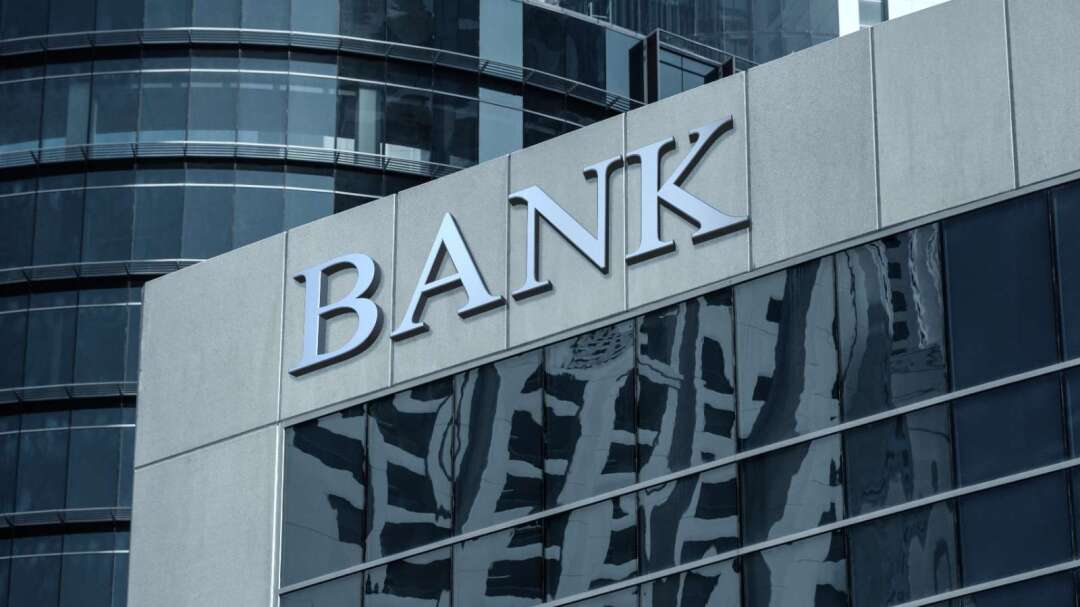
Fitch Ratings stated today (28th) that it expects the ratings of Taiwan's private banks to remain broadly stable, supported by resilient operating environments, sound financial performance, and sufficient capital and liquidity. Strong demand for semiconductor and artificial intelligence (AI)-related products is expected to support Taiwan's economy, maintaining positive ratings, stable operating environment scores, and stable bank ratings.
Fitch sees merger and acquisition (M&A) activities generating positive momentum for certain issuers and has upgraded the rating outlooks for Taishin International Commercial Bank, Yuanta Commercial Bank, and Yuanta Financial Holding Co., Ltd. from 'Stable' to 'Positive' in May 2026. This reflects Fitch's expectation that the planned merger will enhance business scale and profitability. Fitch believes that downside risks to bank ratings are limited unless Taiwan's exports face significantly weakened global demand, leading to a severe and prolonged economic downturn that materially deteriorates bank financial conditions.
Despite economic growth slowdowns in Taiwan's major trading partners—the United States and mainland China—Taiwan's operating environment continues to benefit from strong external demand. Fitch has raised its 2026 GDP growth forecast for Taiwan from 6.9% to 9.4% and its 2027 forecast from 4.0% to 4.8%. However, the operating environment score remains constrained by the high fragmentation in the banking sector, which makes it difficult for banks to significantly improve financial performance. Nevertheless, the score has room for improvement if economic resilience continues to strengthen and geopolitical tensions ease.
Fitch expects asset quality, core profitability, capital levels, and liquidity at banks to remain stable. Asset quality is expected to continue benefiting from moderate loan-to-value ratios, low unemployment, rising per capita GDP, and regulatory oversight. Profit growth will be supported by steady loan growth, higher fee income, and moderate credit costs. Rated private banks are expected to maintain sufficient capital levels and stable liquidity, reflecting their internal capital generation capacity and the overall market's ample liquidity.
FACT BOX
- Source: PR Times
- Category: News