U.S. consumer confidence fell more than expected in July, with consumers expressing worsening views on the current business environment and job market, indicating that high prices and a cooling labor market are gradually eroding household confidence—though this has not yet significantly altered spending plans.
The Conference Board reported on Tuesday (July 28) that its Consumer Confidence Index dropped to 90.8 in July from a revised 92.2 in June, below market expectations of 92.3 to 92.4, and continuing the overall downward trend since the end of 2021.
The Present Situation Index, which measures consumers’ assessments of current business and labor conditions, fell to 114.9, below the expected 117.5, and marking the lowest level since February 2021. The Expectations Index for the next six months held steady at 74.7, slightly above the forecast of 74.4, but remains in negative territory, indicating elevated risks of an economic downturn.
Dana Peterson, Chief Economist at The Conference Board, said the Present Situation Index has deteriorated for the third consecutive month, with consumers offering weaker assessments of current business conditions and a cooler outlook on the labor market. Respondents expressed greater pessimism about business conditions in the coming months, though their views on employment prospects improved slightly. Household income expectations remained optimistic.
The share of consumers who said jobs were “plentiful” in July fell to 24.6%, while the share who said jobs were “hard to get” also declined slightly. However, the gap between the two narrowed to 3.1 percentage points—the smallest since 2021. This metric is closely watched by economists, as a narrowing gap typically signals a more challenging job market for job seekers.
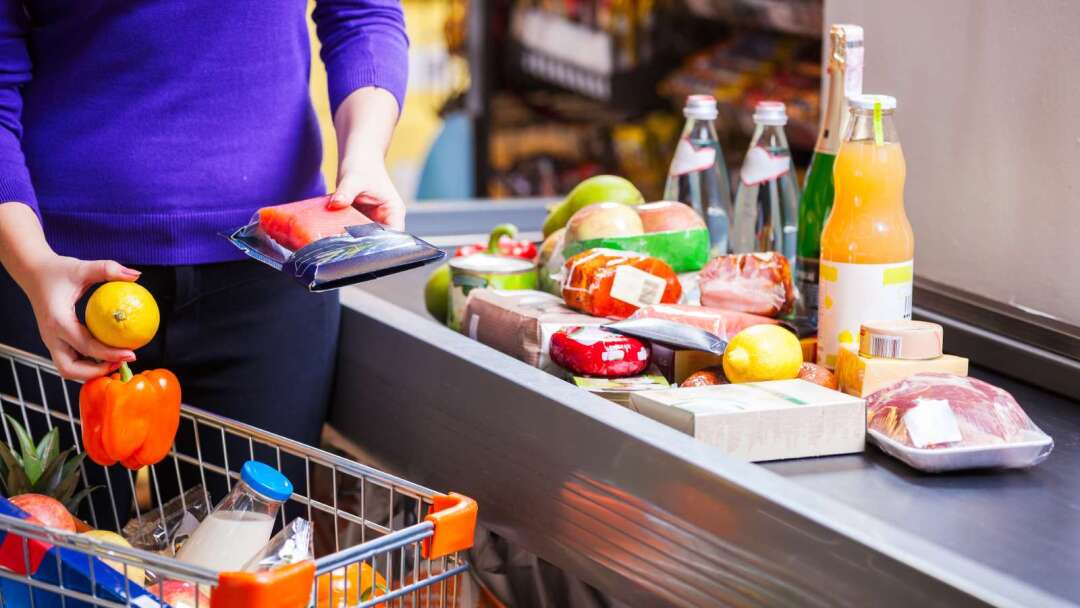
The survey was conducted from July 1 to July 22. During this period, U.S. gasoline prices initially fell to their lowest since March, but then rebounded due to renewed U.S.-Iran tensions and rising international oil prices. While the frequency of consumer mentions of gasoline prices declined slightly, it remained elevated, and complaints about food and grocery prices increased further.
Average and median consumer inflation expectations over the next 12 months both declined, but 61.3% of respondents still expect interest rates to rise over the next year—unchanged from June. Despite recent stock market volatility, most consumers anticipate that stock prices will be higher one year from now.
U.S. households have maintained resilient spending, with retail sales rising for the fifth consecutive month in June. Economists expect consumer spending to support second-quarter economic growth. The U.S. Department of Commerce will release second-quarter GDP data, along with June personal income, spending, and inflation figures, on Thursday (July 30).
FACT BOX
- Source: PR Times
- Category: Survey
- Organizations: The Conference Board