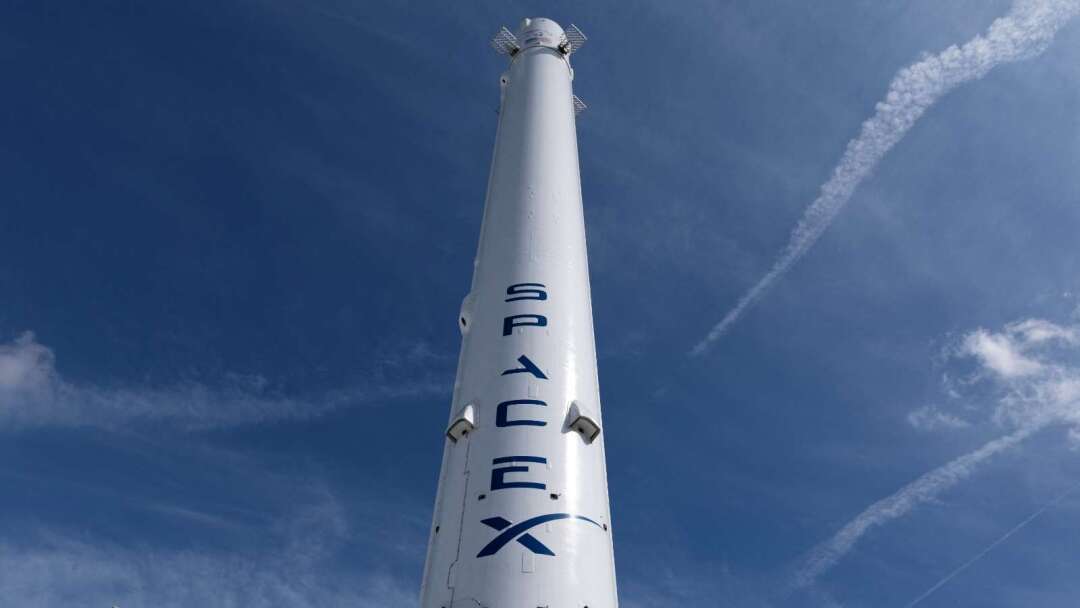
SpaceX, Elon Musk’s space and artificial intelligence company, saw its stock plunge 5% to $107.80 on Tuesday (28th), falling over 20% below its initial public offering (IPO) price and down 47% from its closing peak on June 16. The decline has erased over $1.2 trillion in market value, marking one of the largest market cap evaporations in history.
As of press time, SpaceX (SPCX-US) was down 5.46% in Tuesday trading, temporarily priced at $107.30 per share.
After a record-breaking listing last month, SpaceX’s stock initially surged but quickly reversed as investors pulled back from high-risk tech stocks. Geopolitical tensions in the Middle East, combined with growing market skepticism over whether massive capital expenditures in the AI sector can sustain current demand and valuations, have recently pressured multiple large technology firms.
SpaceX itself faces potential selling pressure from a massive stock unlock. According to its IPO prospectus, SpaceX has a staggered unlock schedule, with up to 911.5 million shares expected to become tradable on August 6. By year-end, the number of outstanding shares could balloon from the current 639 million to 5.33 billion.
The prospect of a flood of new shares entering the market, coupled with SpaceX’s high valuation, has attracted aggressive short-selling activity. S3 Partners data shows that approximately 30% of available shares are currently shorted. As the stock continues to fall, short positions have generated nearly $8 billion in paper profits over the past month.
This selling pressure was not alleviated by SpaceX’s largely successful Starship test last Friday. The Starship successfully deployed an upgraded version of its Starlink communications satellite and remained largely intact during Earth re-entry.
Starship is central to Musk’s vision of expanding the Starlink satellite network, sending humans to the Moon and beyond, and even building data centers in space. However, Starship’s development remains unstable, with previous tests marred by explosions, equipment failures, and delays.
Markets are now debating how low SpaceX’s stock could go, with short-sellers viewing $100 per share as a key psychological threshold. Morgan Stanley analyst Adam Jonas noted that if the stock hits $100, it could imply the market is assigning zero—or even negative—value to SpaceX’s AI business.
With the first major unlock approaching and additional shares set to accelerate into the market before early December, increased supply, elevated valuations, and cooling risk appetite for tech stocks are expected to remain major headwinds for SpaceX’s share price through year-end.
FACT BOX
- Source: PR Times
- Category: News
- Organizations: S3 Partners / Morgan Stanley
- Products / services: Starship / Starlink