The U.S. Federal Reserve (Fed) concluded its two-day meeting on Wednesday (29th) and announced it would maintain the target range for its benchmark interest rate at 3.5% to 3.75%.
Although markets widely expected the Federal Open Market Committee (FOMC) to hold rates steady, recent comments from several officials indicated growing internal support for at least considering a rate hike. This meeting marked the first time since 2016 that three committee members cast dissenting votes.
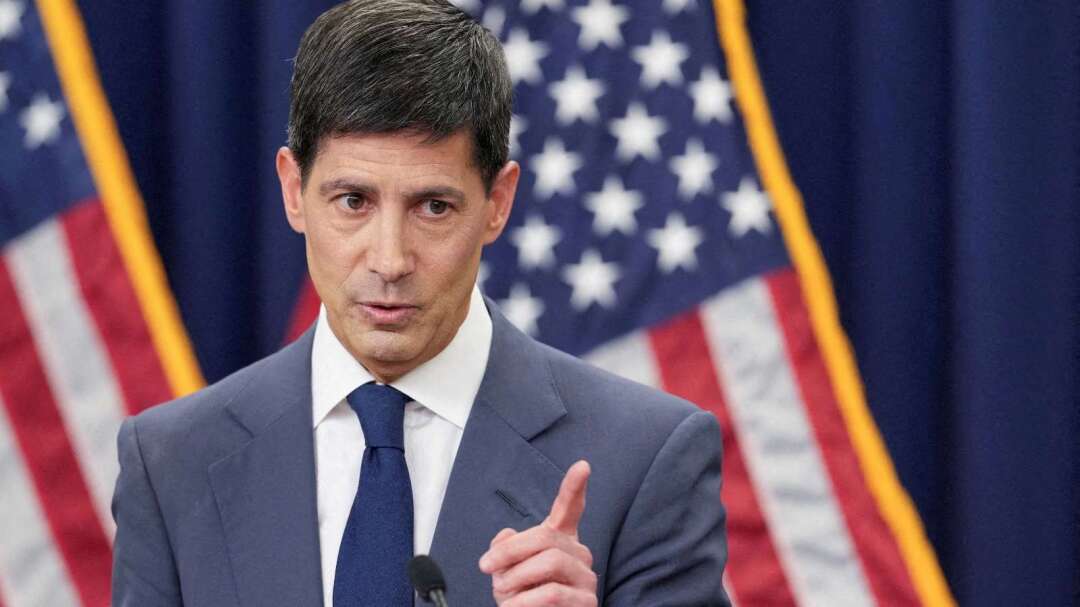
At the press conference following the rate decision, Fed Chair Kevin Warsh stated the Fed would not signal future policy direction but would take necessary measures to achieve its 2% inflation target.
Following the meeting, U.S. Treasury yields surged. The 30-year Treasury yield broke above 5.2%, reaching its highest level since 2007. The 10-year yield rose over 7 basis points to 4.677%.
Key highlights from the Fed’s latest rate statement and Chair Warsh’s press conference are summarized below:
Key Point 1: First Time Since 2016 with Three Dissenting Votes
Although the FOMC ultimately decided to keep rates unchanged, three policymakers dissented in favor of a rate hike—marking the highest number of dissenters since September 2016.
The three regional Fed bank presidents who dissented were: Beth Hammack, President of the Federal Reserve Bank of Cleveland; Neel Kashkari, President of the Federal Reserve Bank of Minneapolis; and Lorie Logan, President of the Federal Reserve Bank of Dallas.
Ian Lyngen, Head of U.S. Rate Strategy at BMO Capital Markets, said, "Our interpretation is that there is indeed a hawkish, rate-hike-leaning voice within the committee, but the majority still support Chair Warsh’s view to wait at least until September, when July and August CPI data will be available."
Key Point 2: The Fed Will Continue to Achieve Price Stability
At the press conference, Chair Warsh reiterated that one of the Fed’s most important missions is maintaining inflation at a controllable level. "You’ve heard this before, but I’ll say it again: We will achieve price stability."
Warsh emphasized the Fed has no 'flexible' target for inflation—the sole goal is 2% annual inflation, which is considered most conducive to healthy economic development.
"We have begun a new chapter, and we understand that inflation has remained above target for over five years. It cannot be resolved in nine weeks or by one month of slightly lower prices. This Fed will not waver. Our credibility is built on fulfilling our duties and responsibilities," Warsh said.
Key Point 3: Warsh Welcomes Market Focus on Real Interest Rates
Warsh acknowledged that U.S. Treasury yields have continued to rise since the Fed’s last meeting, despite the decision to hold rates steady. However, he said this is a development he welcomes.
"Markets are beginning to focus on real economic data and actual developments. Market prices react instantly to new information. Market participants are gradually learning to 'watch the ball, not the umpire,' and market prices are adjusting on their own as they see fit," he said.
Warsh added that this trend is positive, as the Fed does not need to remain the sole focus of market attention indefinitely.
Key Point 4: 'Will Not Hesitate to Act' to Achieve Inflation Target
Although the Fed chose to hold rates steady this time, Warsh emphasized the central bank will act decisively to control inflation if necessary.
However, he reiterated that under his leadership, the Fed will not engage in 'predicting future policy direction' or pre-announce interest rate moves.
"I understand the desire for the committee to provide continuous forecasts and commentary, but for us, we need direct and undisturbed observation of how markets react to developments. I want to emphasize again: Our decisions carry significant weight, and when necessary and appropriate, we will not hesitate to act," he said.
Key Point 5: FOMC Held a 'Family Debate'
Warsh has used the term 'family debate' 13 times in his past five public appearances, and he used it again when discussing the three dissenting votes in this July rate decision.
"I wanted a good family debate, and I truly got one. Most of our discussions centered on critical monetary policy issues. We did not avoid them or fear them. My colleagues engaged more with each other—this was a real family debate," he said.
While the majority of FOMC members agreed to keep rates unchanged in July, three members dissented, advocating for rate hikes to curb inflation above target.
Key Point 6: Post-Meeting Press Conferences to Continue This Year
Warsh confirmed that for the remainder of 2026, the Fed will continue to hold press conferences after rate decisions. "From now through year-end, my predecessor and the Fed originally committed to holding press conferences, and I am committed to continuing them this year."
Warsh has consistently emphasized his desire to reform the Fed’s communication with the public. He has even established five working groups, one of which is dedicated to improving the Fed’s communication strategy.
Warsh’s next major challenge will be the Fed’s annual policy symposium in Jackson Hole, Wyoming. This year’s event will be held from August 27 to 29. Warsh revealed that his keynote speech topic is currently "a blank page."
"In the coming weeks, I will meet with the leaders of the policy working groups I established and hear their research findings. These discussions could become the starting point for my Jackson Hole speech," he said.
FACT BOX
- Source: PR Times
- Category: News
- Organizations: BMO Capital Markets