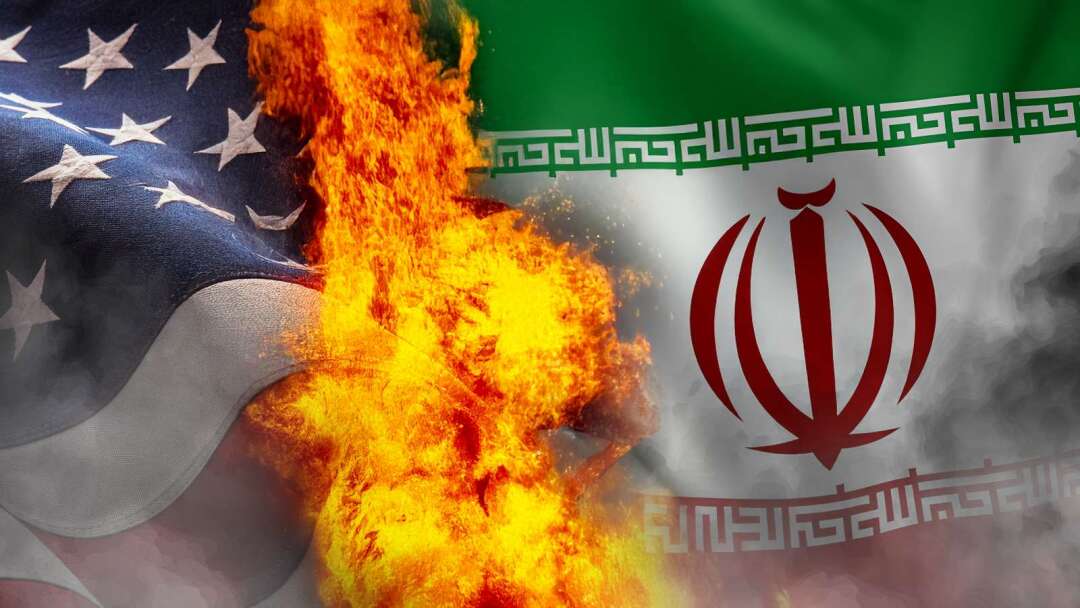
U.S. President Trump said on Wednesday, June 29, 2026, that the United States would take strong retaliatory actions after Iran launched missiles at American military forces in the Middle East. He stated that Iran had fired five missiles the previous night, all of which were intercepted. Trump declared it was now America's turn to strike back, claiming Iran understood the U.S. would respond and had already requested Washington not to launch an attack.
Trump did not disclose specific military actions the U.S. might take, only emphasizing a strong response against Iran. Regarding the possibility of future negotiations, he said it remained to be seen, but the U.S. would first deliver a heavy blow to Iran.
Earlier that day, in media interviews, Trump reiterated that the U.S. would take strong retaliatory measures and severely strike Iran.
On the incident involving a liquefied natural gas tanker attacked by drones off the coast of Egypt, Trump said he had been briefed and that the issue would be handled, though he did not elaborate on what measures the U.S. might take. It remains unclear whether this incident is linked to Iran.
In addition to military response, Trump is also seeking to expand economic pressure on Iran.
He urged Congress to include tariff authority related to Iran in the 'Lindsey O. Graham Sanctioning Russia Act of 2026,' arguing that traditional sanctions alone were insufficient.
The U.S. Senate passed the bill late Tuesday, June 28, by a vote of 86 in favor and 12 opposed, naming it after the late Republican Senator Lindsey Graham of South Carolina. The overwhelming result reflects broad bipartisan support.
The bill authorizes the U.S. president to impose tariffs of up to 100% on the top five countries purchasing the most Russian energy or military equipment, as well as on nations assisting Russia in evading sanctions. Russian goods exported to the U.S. could face tariffs as high as 500%. These measures could primarily affect China, India, and some Southeast Asian countries.
It remains unclear how Trump envisions implementing the proposed tariff powers on Iran, including whether they would directly target Iranian goods imported into the U.S. or third countries engaging in specific transactions with Iran. U.S.-Iran direct trade is limited, with imports from Iran totaling approximately $1.4 million in 2025, compared to about $3.8 billion from Russia in the same year.
Trump's last-minute amendment request could complicate the bill's passage in the House of Representatives.
The House had originally planned to use the 'suspension rule' to consider the Senate-passed version. Under this procedure, the bill's content cannot be amended and requires a two-thirds majority to pass.
Some Democratic lawmakers have already expressed concerns about the bill granting the president overly broad tariff authority. If Republicans reopen the amendment process to add Iran-related provisions, Democrats may also push for other changes, further complicating the bill's prospects.
The Senate had previously responded to Trump's request following Graham's death by including Iran sanctions provisions in the bill, such as extending the 'Iran Sanctions Act of 1996'—set to expire at the end of 2026—by five years.
However, Trump's further push to include tariff tools may force Congress to reassess the bill's content and subsequent voting procedures.
FACT BOX
- Source: PR Times
- Category: News