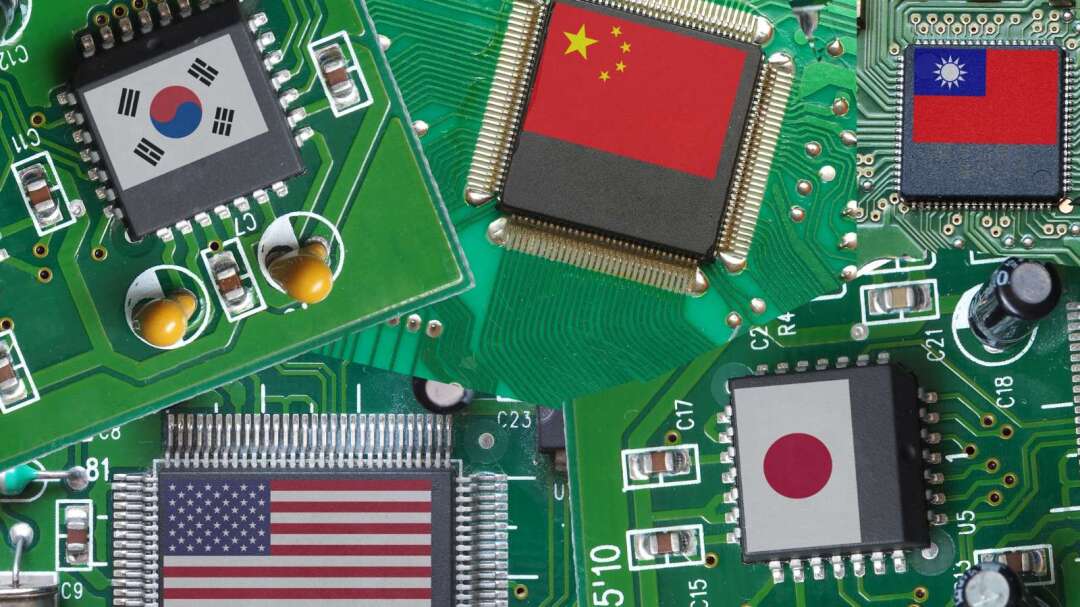
Global semiconductor stocks experienced a systematic correction, following a more than 10% plunge yesterday, with the South Korean composite stock index (KOSPI) falling another 6% today (29th). The Nasdaq 100 fell 10% from its high last month on Tuesday (28th), and the Face Semiconductor Index also fell about a quarter from its historical high on June 22.
The core of the market panic is the crisis of confidence from 'AI concept' to 'AI profit.' Alphabet, the parent company of Google, saw its stock price drop 7% in a single day in Q2 this year due to AI infrastructure burn.
The Wall Street Journal reported that NVIDIA is negotiating to provide guarantees for a $250 billion data center for OpenAI, causing the stock to fall 5%. Investors are concerned about the semiconductor giant's reverse blood transfusion to customers and the erosion of free cash flow.
As Microsoft, Meta, Apple, and Amazon's earnings reports follow, the market questions how long the thousands of billions of capital expenditures can last without converting into commercial revenue. Barclays points out that financing uncertainty, capital expenditures, and the deterioration of free cash flow (FCF) have become the focus.
The supply side also has hidden concerns. SK Hynix and Samsung plan to build two factories each, including an 800 trillion won five-year plan, aiming to double DRAM production capacity. However, factory delays will be released in 2-3 years. If the terminal speed slows down in 2027-2028, Morningstar warns that the starting price will turn down, and the previous high point.
The relaxation of the competitive landscape further lowers the monopoly premium. ChangXin Technology lands on the A-share, the new model of the Dark Side of the Moon approaches the level of Silicon Valley, and the breakthrough of China's advanced equipment all weaken the narrative of 'US-Korean technology is irreplaceable.'
The AI industry has not stopped, but the stage of pricing by story has ended. Next, what the semiconductor stocks need to look at is not HBM, but the operating cash flow in the financial reports, the locked price of long-term agreements (LTA), and the capacity utilization rate.
FACT BOX
- Source: PR Times
- Category: News
- Organizations: Alphabet / NVIDIA / Microsoft