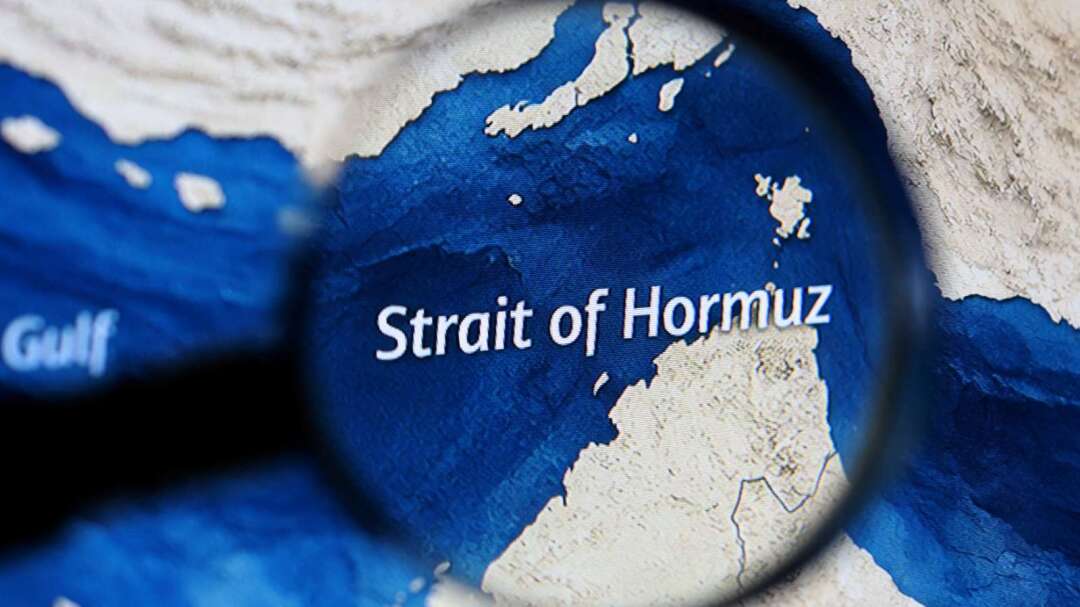
The war between the United States and Iran could last for several months. Multiple current and former U.S., Iranian, and European officials have revealed that the two sides have been unable to resolve the dispute over control of the Strait of Hormuz and have also been unable to reach a long-term ceasefire agreement. The temporary peace agreement signed last month has now collapsed.
The Iranian Revolutionary Guard recently fired missiles at a U.S. military base in Jordan. The U.S. military and Saudi forces attacked armed groups supported by Tehran in Iraq in retaliation for their recent attempt to attack Saudi oil facilities. U.S. President Trump then threatened that Iran would face severe strikes.
Just a few hours before this conflict erupted, Trump had expressed optimism about a diplomatic breakthrough, also highlighting the difficulty of quickly ending the U.S.-Iran war. Insiders expect that the pattern of "brief skirmishes, pause in attacks, and resumption of war" that has repeated over the past few weeks may continue.
Control of the Strait of Hormuz has become the biggest obstacle to a ceasefire.
Although Iran has suffered significant military setbacks since the U.S. and Israel went to war in February, Tehran believes it can still resist the U.S. naval blockade for the long term. Iran's leadership believes that Trump will not easily escalate the conflict, as Iran has the capability to severely damage the Arab countries of the Persian Gulf, and the U.S. does not want to see oil and gasoline prices rise further.
Insiders point out that international oil prices broke $100 per barrel last week, which was one of the reasons Trump paused daily airstrikes and sought a diplomatic solution again. Iran also believes that the U.S.'s ability to expand the war is limited by oil inventories and ammunition consumption. The White House has continued to release strategic petroleum reserves to keep fuel prices low, reducing them to the lowest level since the 1980s; precision weapons, including anti-aircraft missiles, have also been heavily consumed.
White House spokesperson Anna Kelly refuted, saying that the description of Trump's thoughts by anonymous sources is merely speculation, and only Trump, as the commander-in-chief of the three military branches, knows what actions will be taken next.
Even so, unless Iran makes concessions on the issue of the Strait of Hormuz, Trump is unlikely to stop putting pressure. Iran continues to demand the right to manage the navigation of the strait and to charge fees to energy tankers and other ships. About one-fifth of the world's crude oil and liquefied natural gas supply is transported through the Strait of Hormuz during peacetime, and Tehran therefore regards controlling this waterway as an important chip and the core of national security in confronting the United States.
Low-intensity conflict may continue, with little progress in nuclear talks.
Oman is mediating short-term arrangements, hoping to allow more ships to pass through the Strait of Hormuz and create conditions for the U.S. and Iran to resume formal peace talks. However, Iran's insistence on controlling ships entering the Persian Gulf has stalled negotiations.
Most insiders believe that the most likely development is that the U.S. and Iran will maintain relatively low-intensity exchanges of fire, with continued mediation by countries in the Persian Gulf and Pakistan. Neither side wants to repeat the full-scale war from March to early April, when the U.S. and Israel conducted intensive airstrikes on Iranian cities, and Tehran fired thousands of missiles and drones at the U.S.'s regional allies.
Trump is also facing domestic political pressure, with many Republicans hoping to end the war before the midterm elections in November. House Speaker Mike Johnson recently said bluntly, "We must end this war." However, Trump on Monday denied that he had lost patience with Iran and said he still "has a lot of time."
Even if the two sides resume face-to-face negotiations, it is not guaranteed that they can resolve broader disputes such as Iran's nuclear program. The temporary agreement, which was supposed to last 60 days, required Tehran to strictly limit uranium enrichment and other nuclear activities, but the U.S. and Iran have made almost no progress so far.
FACT BOX
- Source: PR Times
- Category: News