As the AI wave sweeps across the globe, the traditional formula of 'university degree = stable high salary' is being rewritten. An increasing number of South Korean Gen Z youth are skipping college and enrolling in semiconductor vocational schools, with some securing entry-level positions offering six-figure annual salaries even before reaching adulthood.
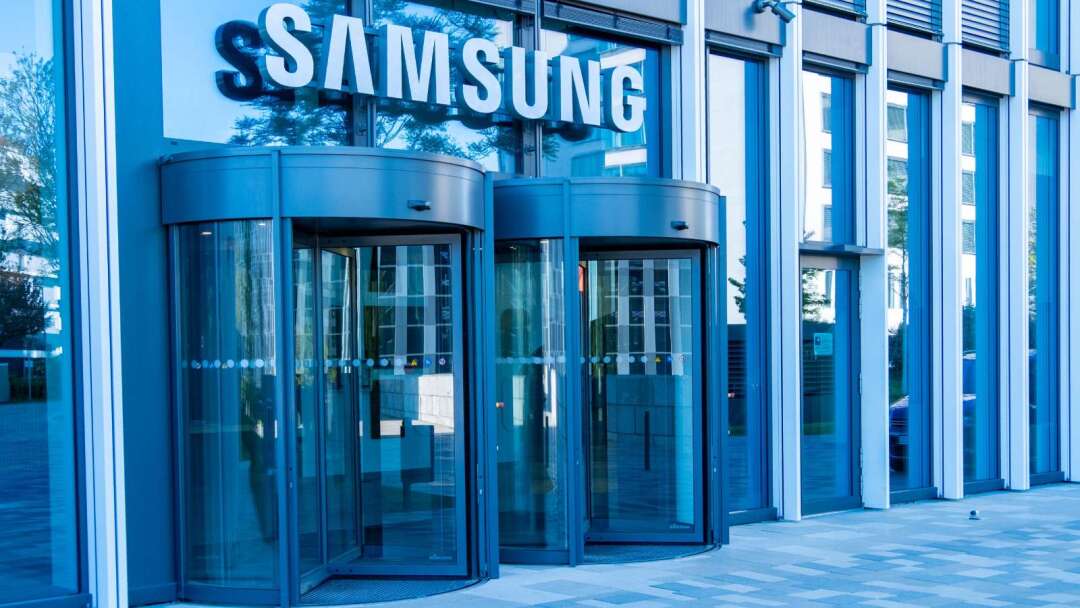
Located in southeastern Seoul, Chungbuk Semiconductor High School boasts a graduate employment rate of 96.4%. Seventeen-year-old high school senior Roh Jun-sik (name transliterated) has already received a job offer from Samsung Electronics. Approximately one-quarter of the school’s graduates are directly hired by Samsung.
Roh said, 'Back in middle school, I encouraged my classmates to join vocational training, but many insisted on attending academic high schools and aiming for university. Now they regret it.'
By 2025, Samsung’s average salary is projected to reach 158 million KRW (approximately 3.6 million TWD). According to the latest union agreement, semiconductor production line workers could earn up to $400,000 next year if profitability targets are met.
Meanwhile, South Korea is facing a crisis of devalued university degrees. In the second quarter of 2025, the number of unemployed individuals with a university degree or higher surpassed 480,000, a five-year high. Youth unemployment among those aged 15 to 29 has risen to 7.2%, and AI continues to shrink entry-level white-collar job opportunities.
This trend of 'rejecting degrees, chasing skills' is not unique to South Korea. In the United States, the unemployment rate for individuals with a college degree or higher has reached 2.7%, the highest since 2015 (excluding pandemic periods). Teenagers are facing the worst summer job market in nearly 80 years.
In contrast, hands-on fields like semiconductors are generating massive high-paying job openings due to AI infrastructure investments. According to McKinsey, the U.S. semiconductor industry will face a shortage of 157,000 technical workers by 2030.
Data from the Semiconductor Industry Association shows that one in five semiconductor workers in the U.S. does not hold a college degree, yet the average annual salary in 2020 already reached $170,000.
Corporate giants are already stepping into the talent race. JPMorgan Chase CEO Jamie Dimon recently stated at the Philadelphia Navy Yard that the U.S. will need 300,000 electricians and welders over the next 5 to 10 years. The bank also announced a $24 million investment to support submarine manufacturing, creating 450 long-term positions.
Meta has launched a $115 million 'American Workforce Initiative,' guaranteeing employment at one of its data centers after a five-week training program.
Lowe’s CEO Marvin Ellison pledged to invest $250 million over ten years to train 250,000 skilled tradespeople, including plumbers, carpenters, and electricians. 'In an AI-accelerated era, administrative and analytical roles will be automated. The importance of skilled trades is growing daily,' he said.
FACT BOX
- Source: PR Times
- Category: Survey
- Organizations: Meta / Lowe's